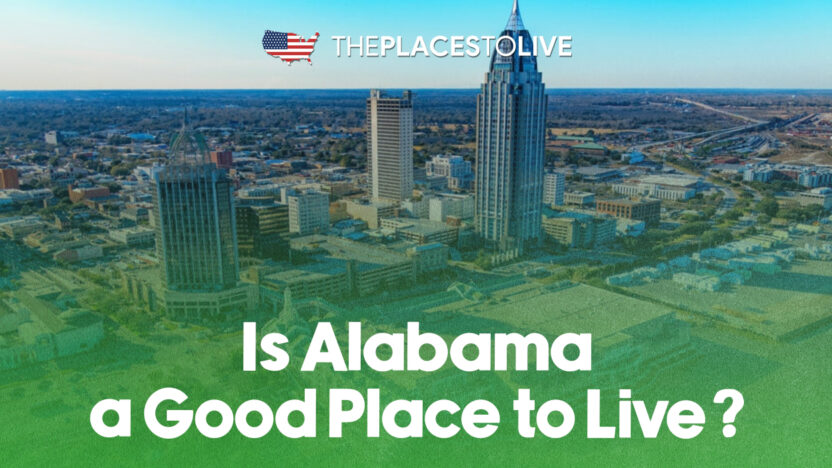
When people ask, “Is Alabama a good place to live?” the answer usually depends less on numbers or rankings and more on how well the state’s way of life fits with personal values and daily rhythms. This exploration focuses on the experience of living in Alabama—how the state’s unique balance of pace, community, and environment shapes everyday life. Whether you are moving to Alabama or simply curious, understanding how residents connect with the state helps reveal who tends to feel comfortable and who might find it less suited to their lifestyle.
The reality is that perceptions about Alabama vary widely based on what individuals prioritize. Some embrace the slower pace, Southern traditions, and broad open spaces, while others prefer urban density or varied conveniences that don’t define much of Alabama’s regional character. This article unpacks these patterns to provide insight into the lived experience of Alabama’s people, communities, and landscapes.
What Living in Alabama Generally Feels Like
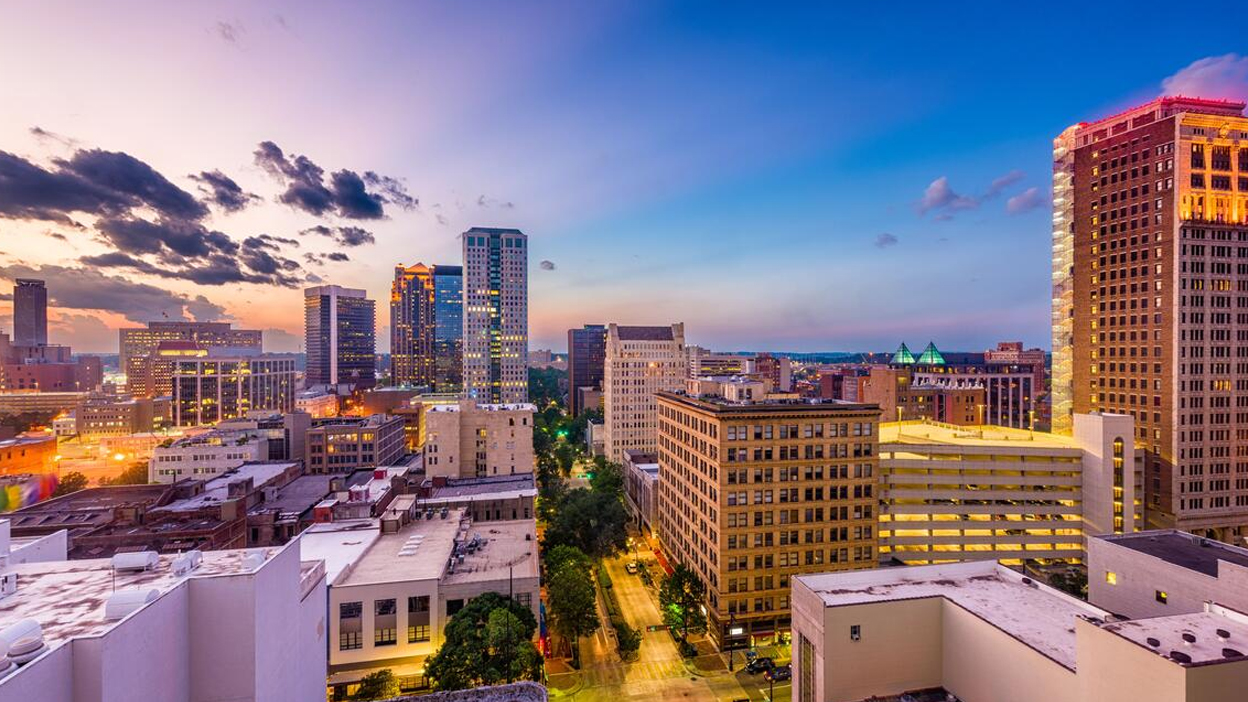
Living in Alabama is often described by residents as embracing a relaxed and unhurried Alabama lifestyle, particularly when compared to states with more urbanized rhythms. Many parts of the state are marked by rural and semi-rural expanses that create an expansive sense of space around homes and neighbors.
Daily life tends to weave natural surroundings—such as groves of forests, flowing rivers, and sprawling farmland—into the local routine. These environments are not simply backdrops but are closely tied to customs and social life in many communities.
Though there are busier commercial and residential hubs, much of Alabama’s geography requires residents to travel by car to access services and amenities. This reliance on driving is a fundamental feature of living in Alabama, and it means that planning daily errands or commutes often involves longer distances than many expect.
The pace itself feels steadier and less pressured. Many people in Alabama find a kind of rhythm that supports family-oriented routines and community engagement, where stress from daily costs and demands is commonly eased by the state’s comparatively affordable living conditions.
Those considering moving to Alabama should recognize this state-level tempo: it favors those who prefer an environment where time slows down, open spaces prevail, and nature regularly infuses everyday life.
Community, Culture, and Social Atmosphere
The social atmosphere in Alabama reflects a strong emphasis on hospitality and neighborly connection, rooted deeply in Southern cultural traditions. The Alabama lifestyle is shaped by family-centered values and a communal focus that prizes long-standing relationships and local history.
In many areas, social warmth and familiarity create a welcoming environment where neighbors know each other and community events center around shared heritage and traditions. This sense of rootedness often contrasts with places where social life is more transient or transiently diverse.
The state also appeals to nature lovers who prize wide-open spaces and a lifestyle less shaped by urban buzz and density. For these individuals, Alabama offers room to breathe physically and socially, where community bonds and natural surroundings are prominent features.
In all, living in Alabama fits well with those whose preferences align with heritage, simplicity, and a slower tempo, as well as those accepting of geography-driven lifestyle nuances.
Who Might Struggle Living in Alabama
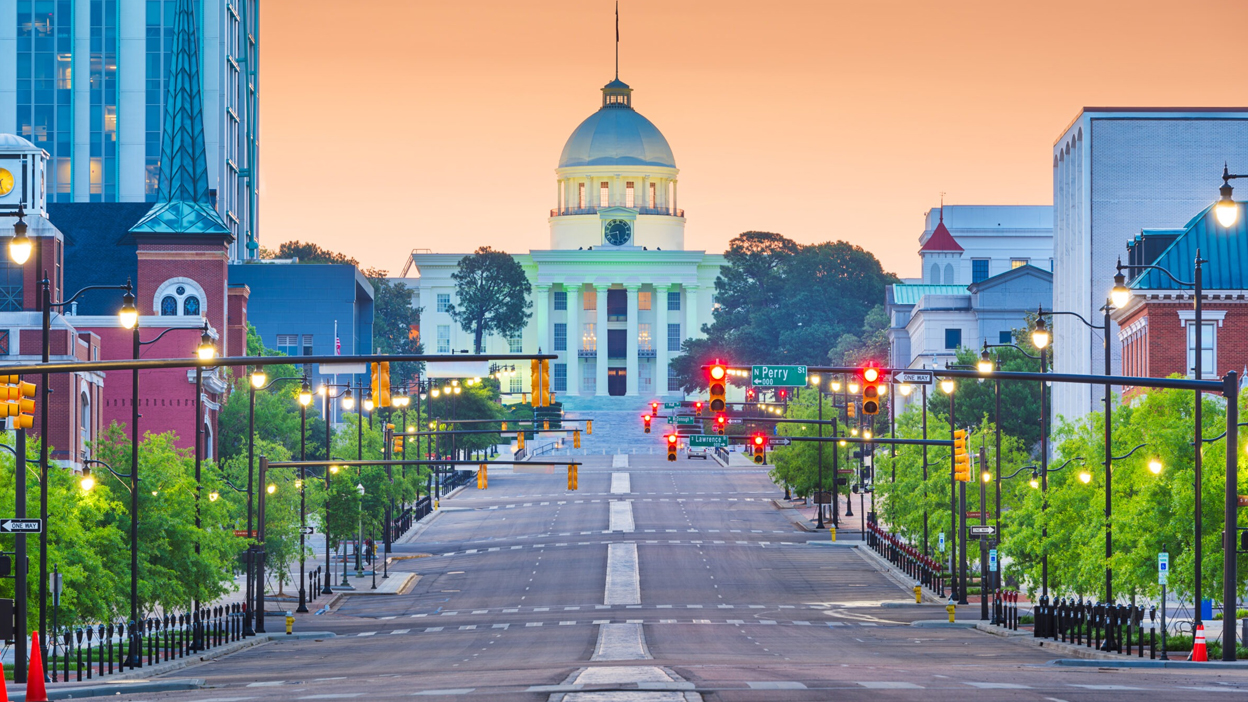
Conversely, Alabama may pose challenges for people who crave constant urban stimulation, rapid lifestyle changes, and a denser social scene. Those who expect easily accessible, diverse amenities without car dependence might find the daily realities constraining.
The state’s sprawling geography, combined with limited public transit, can create hurdles for those who rely on extensive social networks or quick access to varied services. In addition, the more reserved social dynamics of some rural areas might feel restrictive to individuals accustomed to vibrant cosmopolitan environments.
For urbanites used to a faster pace and highly modernized infrastructure, Alabama’s steady Southern rhythms and community conservatism could feel confining. The lifestyle requires adjustment to slower change rates and a willingness to navigate a car-centric society.
The impression for some may be of a mismatch between personal expectations and the state’s cultural and geographic patterns. Understanding these limits can help individuals recognize whether living in Alabama aligns with their own lifestyle goals and preferences.
Conclusion
Answering “Is Alabama a good place to live?” ultimately hinges on reflecting carefully about personal values, social preferences, and rhythms of daily life. The state offers a distinctive blend of cultural warmth, natural expanses, and a slower pace that many find deeply satisfying, while others may feel it lacks the stimulation or convenience they desire.
Whether you are moving to Alabama or simply weighing your fit, the key is to consider how the state’s characteristic interplay of community, environment, and lifestyle aligns with what matters most to you—not a universal ranking, but a meaningful point of personal resonance.
Living in Alabama resonates for those embracing tradition, nature, and close-knit communities, while presenting challenges for those seeking high-density, fast-paced urban experiences. Viewing Alabama through the lens of lifestyle fit rather than objective “good” or “bad” helps paint a clearer picture of who is likely to feel at home here and who might find a different place more suitable.