When asking “is Missouri a good place to live?” the answer is never straightforward. What feels positive for one person can feel limiting to another. Whether someone enjoys living in Missouri largely depends on how well the state’s rhythms, spaces, and culture align with their expectations, values, and daily lifestyle needs.
Many people approach moving to Missouri hoping for affordability, community, and a pace of life that suits them. Missouri’s broad diversity—from more relaxed rural landscapes to lively urban centers—means the experience of living in Missouri varies greatly depending on where and how one chooses to live.
This article is designed to shed light on those broader lifestyle patterns. It paints a picture of what Missouri generally feels like at the state level, focusing on lived experiences rather than rankings, numbers, or city-specific details. Understanding these patterns helps clarify who typically thrives in Missouri’s environment and who might find it a challenging fit.
What Living in Missouri Generally Feels Like
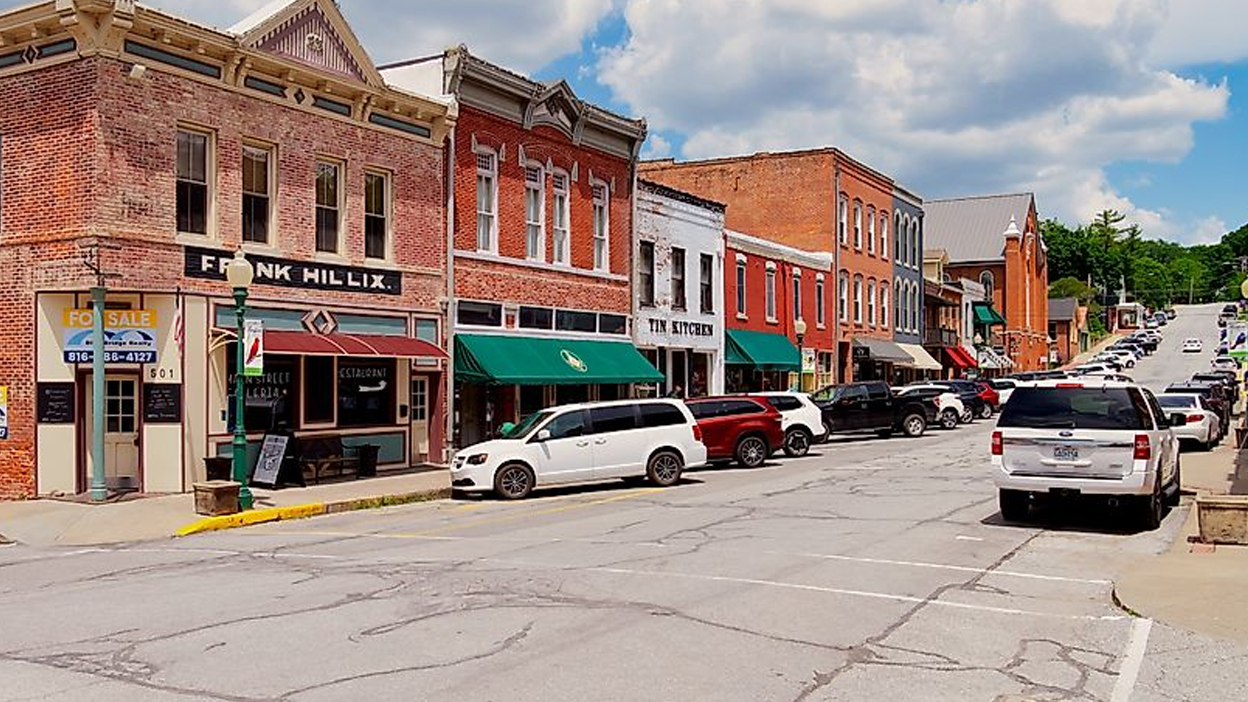
At its core, life across Missouri strikes a balance between calm openness and quiet activity. Many parts of the state embody a moderate pace of life. In rural regions and small towns, routines tend to be more relaxed, with days often unfolding slowly and without rush.
These zones emphasize space—both physical and mental—where people enjoy the slower flow that comes from wide-open land and lower population density.
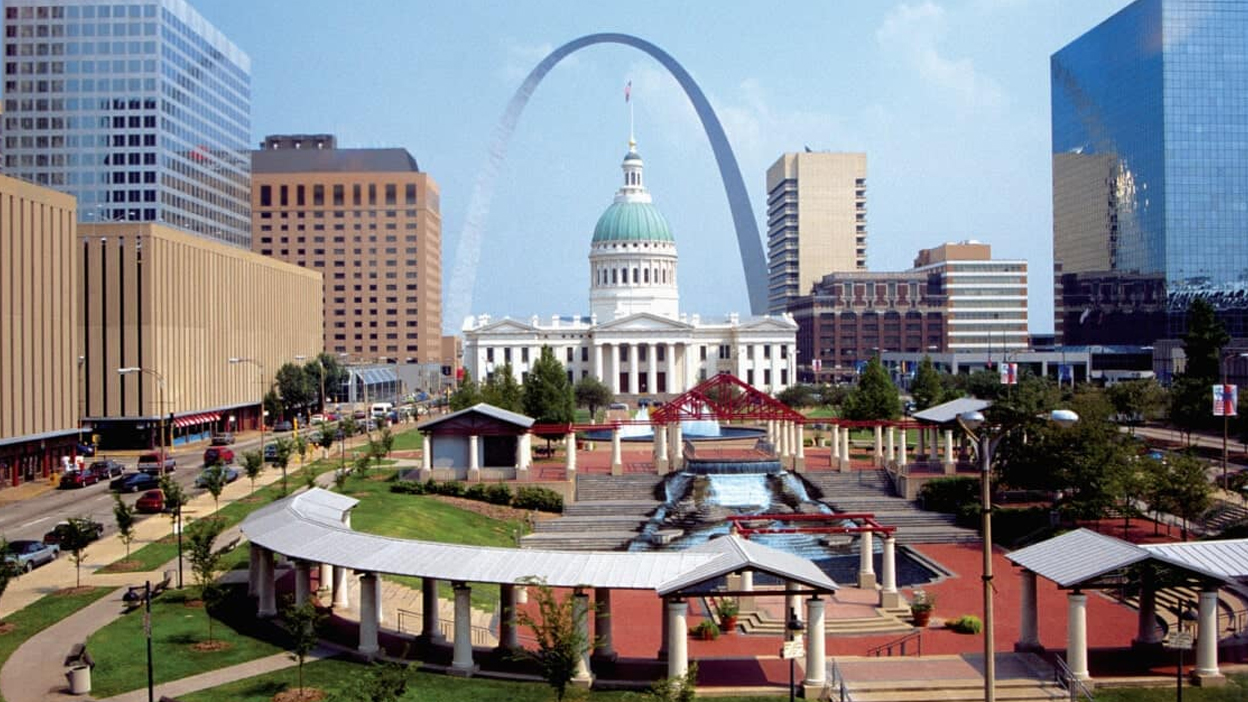
On the other end, urban hubs and their surrounding suburbs introduce a livelier tempo. Here, residents handle more daily bustle—work commutes, diverse entertainment, and numerous services—but even these centers are generally less crowded and hectic than larger metropolitan areas in other states.
One common thread across Missouri’s geography is a strong sense of physical space. This means residents in rural areas often have room to spread out, with open fields and natural borders shaping daily life. Meanwhile, suburban and mid-sized urban settings provide neighborhood feel with ample space for homes, yards, and green areas.
The state’s landscape and infrastructure usually require balancing convenience with travel. For many, this means that regular errands might be nearby, but planned trips to cultural or recreational sites entail driving longer distances. These routines blend local familiarity with occasional wider regional exploration.
Outdoor opportunities are abundant and woven into daily life. Rivers, hills, and expansive natural reserves invite residents to engage for exercise, relaxation, or family outings. At the same time, residents typically rely on mid-sized population centers for cultural amenities, making this mix a defining element of the Missouri lifestyle.
Community, Culture, and Social Atmosphere
The social fabric throughout Missouri varies but often mirrors the state’s geographic and historical diversity. Many residents experience Missouri lifestyle as rooted in direct, authentic connection, rather than in highly transient or tourist-driven scenes.
Smaller towns and rural communities often present a friendly and welcoming demeanor where neighbors know one another, social gatherings revolve around family and local traditions, and involvement in community events is common. These places evoke a strong sense of belonging and groundedness, supported by slower social rhythms and shared histories.
Residents drawn to Missouri often enjoy the mix of rural and urban elements—the quieter, familiar rhythms of the countryside coupled with access to cultural and recreational options nearby. They value authenticity over uniformity and find satisfaction in neighborhood bonds and local traditions rather than transient social scenes.
Families, remote workers, and those seeking a practical lifestyle with space and slower social tempo frequently resonate with what moving to Missouri entails. They appreciate the ability to spread out at home while retaining community ties and accept that reaching some amenities or experiences involves travel planning.
Who Might Struggle Living in Missouri
Living in Missouri can feel out of step for people with certain expectations or preferences. Those who want constant, immediate access to a wide array of urban conveniences, or who thrive in a fast-paced, metropolitan environment, might find the state’s measured rhythms frustrating.
Individuals preferring highly uniform cultural environments or highly socially open communities may find Missouri’s regional variability—especially between urban and rural social styles—challenging to navigate. The mixture of Midwestern reserve and Southern hospitality can create nuanced social atmospheres unfamiliar or uncomfortable to some.
Missouri’s distinct four-season climate also presents an adjustment hurdle for those averse to weather shifts. The progression of humid summers to cold winters affects outdoor activity levels and daily routines, requiring flexibility from residents.
Furthermore, people needing frequent, varied social engagements or immediate access to extensive amenities might feel disconnected from Missouri’s slower social pace and geographic spread. These lifestyle misalignments do not imply shortcomings of the state but rather highlight fits and mismatches in personal preferences when moving to Missouri.
Conclusion
Answering “is Missouri a good place to live?” ultimately comes down to personal lifestyle fit rather than external ratings or statistics. Missouri’s broad geographic, cultural, and social diversity offers ample opportunities for many to find satisfaction, yet this same variety can be a source of difficulty for others.
Reflecting on one’s priorities for pace of life, community style, environment, and daily routines can clarify whether or not Missouri’s distinctive lifestyle aligns well with individual expectations. For those willing to embrace a mixed rural-urban balance, seasonal cycles, and an authentic social atmosphere, Missouri often proves rewarding.
This experience-based perspective adds nuance to the relocation decision and complements broader research considerations when moving to Missouri. The best answers will always come from weighing how Missouri’s lived realities resonate with one’s own life values, preferences, and long-term goals.