
Relocating to a new state requires thorough understanding of broad factors that shape daily living, economic opportunities, climate, and infrastructure. This guide on things to know before moving to Alabama provides an objective, comprehensive overview designed to inform potential movers. By focusing on the state’s geographic, economic, infrastructural, and regulatory realities, this article helps readers evaluate whether Alabama’s environments align with their relocation goals. Rather than concentrating on individual cities, it addresses statewide patterns that define the experience of living in Alabama.
Geographic and Regional Differences Within Alabama
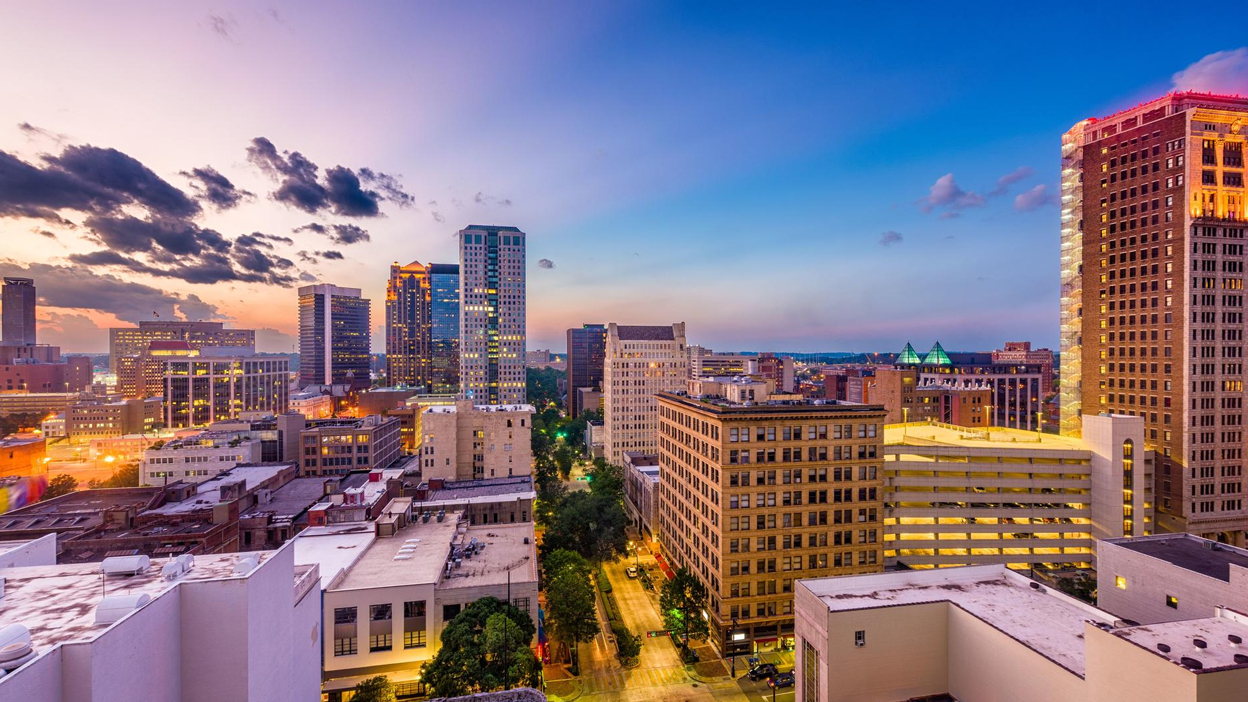
Alabama’s geography spans several distinct regions, each with unique terrain, climate, and natural features that affect population distribution and economic activity.
Major Geographic Regions
- Northern Appalachian Foothills: This area consists of high mountains, sandstone ridges, and limestone valleys shaped by river drainage systems such as the Coosa and Cahaba. Elevation here is the highest in the state, leading to cooler temperatures and more rugged terrain.
- Central Mineral Belt and Fertile Plains: The central zone includes mineral-rich hills and the Black Prairie, an area notable for its fertile soils suited for agriculture.
- Southern Gulf Coastal Plain: Characterized by lowlands, sandy beaches, estuaries, bayous, wetlands, and the delta of the Mobile River, this region lies adjacent to the Gulf of Mexico. Its proximity to the coast creates distinct environmental conditions, including warmer temperatures and greater flooding risk.
Elevation and Climate Variation
Elevation gradually decreases moving southward, from mountainous northern zones to the flat coastal plains. This gradient influences development patterns, with northern highlands often less densely populated and southern lowlands supporting more urban and industrial activity.
Climate varies accordingly: the northeastern highlands can have annual mean temperatures around 59°F (e.g., Valley Head), while coastal areas like Mobile experience milder winters and warmer annual means near 67°F. These differences impact living conditions, agriculture, and environmental risks.
Environmental Risks Linked to Geography
Certain natural hazards correspond with Alabama’s geography:
- Inland Tornado Risk: The northern and central zones, especially foothill and plains regions, face higher tornado frequencies.
- Coastal Flooding and Hurricanes: Southern Gulf Coast areas are prone to flooding and hurricanes, requiring careful consideration of flood risk and community resilience.
- Soil Types: Diverse soils affect land use and agriculture. The southern Timber Belt features sandy, well-draining soils, the central Black Prairie is rich in fine clays, and northern counties have red clay loams.
Geographic diversity also influences economic activity: mineral resources in central Alabama support manufacturing, coastal proximity aids port commerce, and fertile plains underlie agricultural sectors.
Understanding these regional nuances is essential when living in Alabama, as geography shapes climate, risks, and economic options.
Urban vs Rural and Regional Living Patterns
Alabama’s population distribution highlights a distinct contrast between urban hubs and extensive rural or suburban regions.
Population Concentration and Infrastructure
Major urban centers such as Birmingham, Huntsville, and Mobile serve as population and infrastructure focal points. These metros feature higher population density, comprehensive healthcare facilities, wider educational opportunities, and more extensive services.
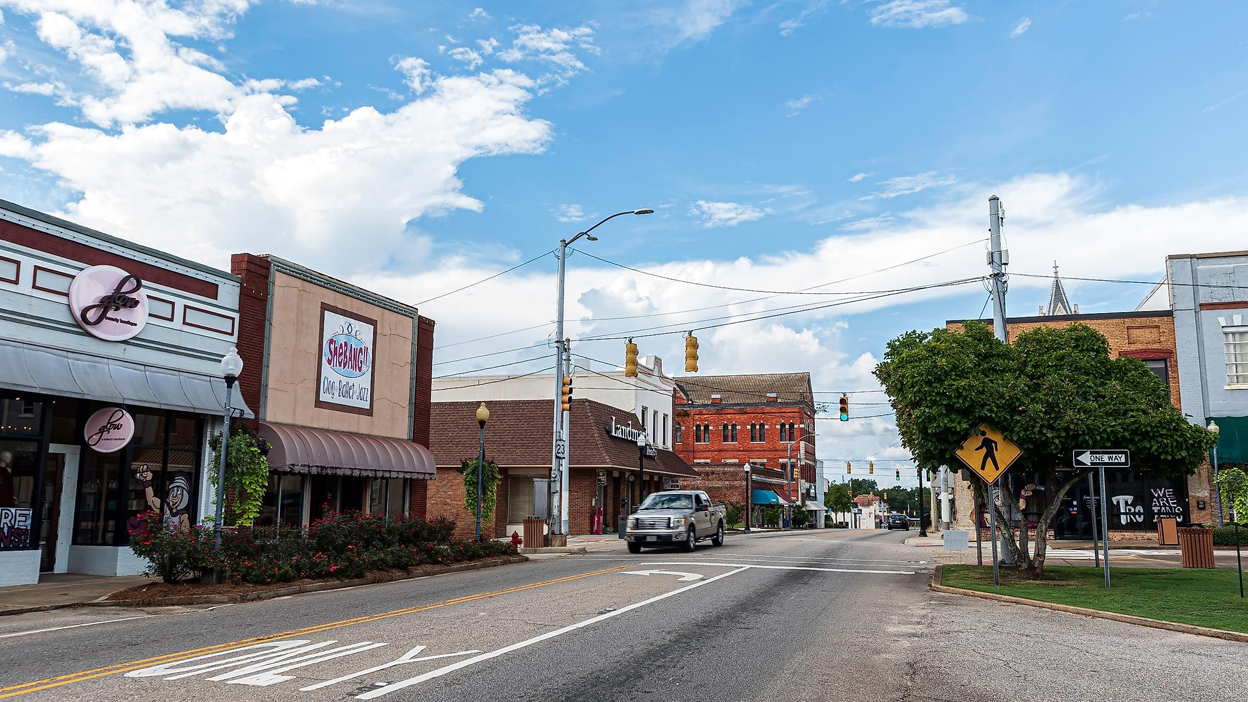
Outside these hubs, much of Alabama consists of rural and suburban counties, including Appalachian foothills, coastal plains, and the Black Belt region. These areas have sparser populations and lower infrastructure intensity.
Such climatic realities affect insurance premiums, construction practices, and long-term homeownership planning for those living in Alabama.
Cultural, Social, and Lifestyle Norms
Understanding general demographic and social patterns helps frame Alabama’s statewide living experience.
Demographic Profile
Alabama has moderate ethnic diversity, a legacy Southern heritage, and a population distribution accommodating families, retirees, and working-age adults.
Community and Lifestyle Patterns
Much of the state favors community-oriented rural and small-town lifestyles, with agricultural and outdoor activities shaped by humid subtropical weather and regional ecological diversity.
This overview focuses on general trends rather than specific cultural events or city-based institutions, guiding those moving to Alabama on societal norms.
Taxes, Regulations, and Long-Term Planning Factors
Financial and regulatory frameworks significantly impact living conditions and long-term commitments in Alabama.
Tax Structure
- Income Tax: Progressive state rates range from 2% to 5%.
- Sales Tax: State and local combined rates average 9-10%, higher than many states.
- Property Tax: Among the nation’s lowest, with an effective rate near 0.4%.
Insurance and Regulatory Environment
Mandatory vehicle liability coverage is enforced statewide. Homeowners insurance premiums fluctuate, elevated by hurricane and flood risk near the coast and tornado-prone inland areas.
Statewide zoning tends to favor rural flexibility but enforces coastal building codes requiring flood elevation and wetland protections. Environmental regulations safeguard river basins and fragile ecosystems.
These factors constitute key things to know before moving to Alabama, affecting budgeting and development choices.
Who Alabama Is Generally a Good Fit For
- Families valuing affordable housing and moderate living costs.
- Retirees attracted by mild winters, lower taxes, and the state’s affordability.
- Workers engaged in recognized industries like manufacturing, aerospace, agriculture, and healthcare.
- Residents comfortable with a car-dependent lifestyle and varying climate zones—from coastal warmth to northern highland cools.
Recognizing these attributes aids prospective movers in assessing fit when living in Alabama.
Who Should Research Further Before Moving
Additional investigation is advisable for groups with specific needs or sensitivities.
- Families prioritizing top-tier education, as rural and some urban areas vary widely in school quality.
- Individuals seeking specialized careers outside Alabama’s core industries.
- Persons sensitive to severe weather risks, including tornadoes and flooding.
- Transit-dependent individuals or those wary of long commutes should assess public transportation availability at detailed local levels.
Further exploration of city- or county-level environmental vulnerabilities, such as tornado paths or coastal storm surge zones, is recommended to complement the statewide overview provided here.
Conclusion
A thorough understanding of Alabama’s geographic diversity, economic sectors, transportation framework, climate patterns, cultural characteristics, and regulatory environment forms the foundation for informed relocation decisions. This article has outlined essential things to know before moving to Alabama, setting the stage for focused local research suited to individual priorities.
Prospective residents can utilize this comprehensive statewide perspective to better gauge regional compatibility and navigate Alabama’s varied living landscape with confidence.