Wyoming ranks among the least populous U.S. states, with approximately 580,000 residents scattered across roughly 98,000 square miles. This results in a population density near six people per square mile—significantly lower than the national average. For those considering relocating, understanding things to know before moving to Wyoming means grasping the state’s broad geographic, economic, climatic, demographic, and regulatory realities.
This article provides a comprehensive, factual overview to help prospective residents evaluate Wyoming as a relocation option. Wyoming’s status as one of the country’s notable low population states shapes many practical factors that influence living conditions statewide. Before choosing specific cities or regions, readers should consider statewide moving to Wyoming essentials relating to terrain, economy, infrastructure, climate, and governance.
Geographic and Regional Differences Within Wyoming
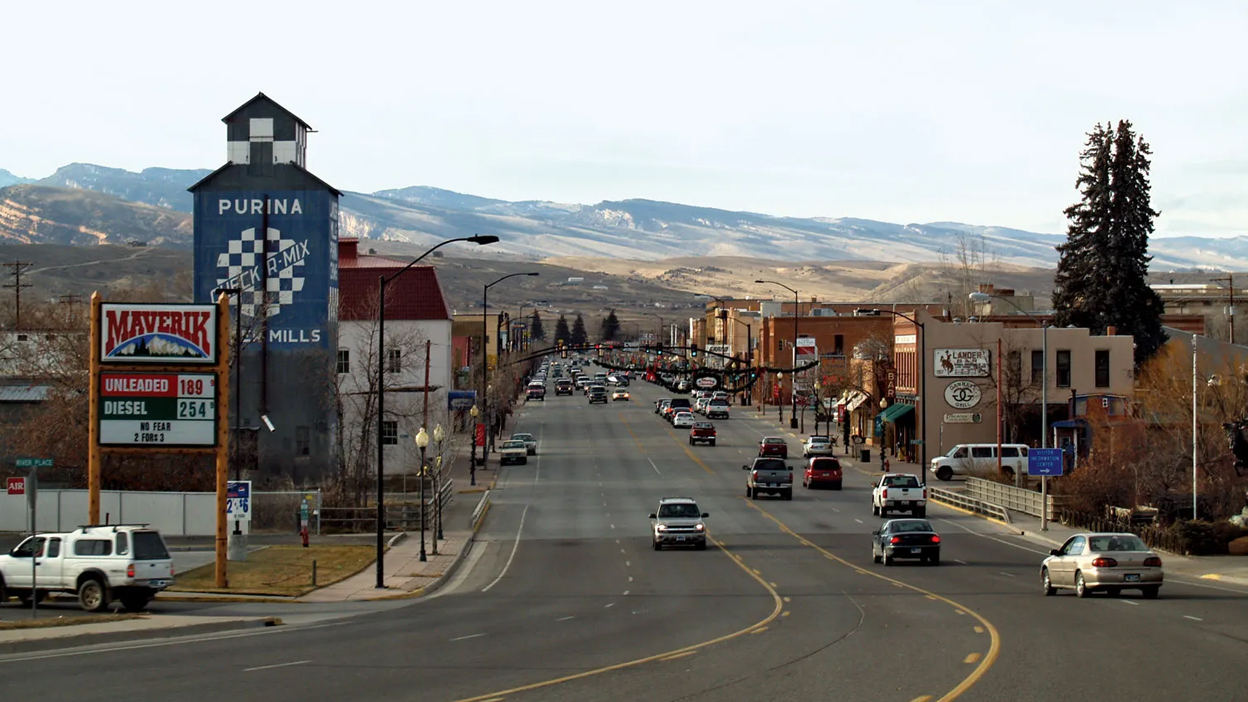
Wyoming’s geography divides into three primary regions:
- Rocky Mountains: Dominating the western and central parts of the state, elevations here rise up to 13,800 feet. This mountainous terrain includes national parks like Yellowstone and Grand Teton, where development is very limited.
- High Plains: Located primarily in the east, this area is characterized by flatter terrain and lower elevations around 3,100 feet.
- Basins: The central and southwestern sections, such as the Wyoming Basin, consist of semi-arid lowlands with rolling hills and plateaus.
Elevation and landform variations create distinct climate zones. The mountain highlands experience cooler and wetter conditions, contrasted with drier, warmer lowlands in the basins and plains. Population density reflects this geography: settlement is concentrated in accessible basins and plains, while mountainous and protected park areas remain sparsely inhabited.
Environmental and weather risks correspond to these geographic differences. Severe winter storms frequently impact mountainous areas. The eastern Rockies regularly encounter Chinook winds, which cause rapid snowmelt and occasional flooding. Dry basin regions face wildfire hazards, while high winds are a persistent challenge across the open plains.
These patterns are critical things to know before moving to Wyoming due to their influence on living conditions and infrastructure.
Urban vs Rural and Regional Living Patterns in Wyoming
Wyoming’s population sparsity is striking; about 84% of the land is federally or state-managed, resulting in vast rural expanses with limited private ownership. The largest towns, such as Cheyenne (approximately 65,000 residents) and Casper (~60,000 residents), act as regional service centers but remain small compared to urban areas in other states.
Most residents live outside urban centers, scattered across small towns and rural communities. Infrastructure varies significantly by location. Urban areas maintain moderate access to healthcare, education, utilities, and retail. In contrast, rural and remote locations face challenges from long travel distances and fewer public services.
Regional distinctions further define living patterns. The western mountainous areas rely strongly on tourism and face geographic isolation due to elevation and terrain. Eastern plains are dominated by agriculture, benefiting from flatter land and easier transport access. These differences notably affect accessibility and lifestyle considerations—important facts for anyone moving to Wyoming.
Wyoming Cost of Living and Financial Considerations
Wyoming’s overall cost of living is generally below the national average, making the state an attractive option for affordability. Median home prices hover around $300,000, compared to approximately $400,000 nationally. However, there are regional disparities: housing near mountain resort towns or cities such as Jackson commands higher prices, while basins and plains usually offer more affordable land and housing.
These broad cultural and lifestyle traits represent important social context for those moving to Wyoming and studying the state’s character from a statewide perspective.
Taxes, Regulations, and Long-Term Planning Factors in Wyoming
Wyoming’s tax system is noteworthy for its absence of state personal income tax. State revenue largely comes from:
- Sales tax.
- Property taxes, which average around 0.6%—relatively low nationwide.
- Mineral extraction royalties, critical due to the resource economy.
Regulatory controls focus heavily on land use owing to the extensive national parks and federal lands occupying over 50% of the state. Strict zoning restricts residential and commercial development near protected areas.
Building codes enforce requirements addressing snow load resistance and wind durability, reflecting environmental realities.
Insurance premiums tend to be higher to mitigate weather-related risks such as windstorms and wildfires. Environmental regulations also govern responsible resource extraction to protect rangelands and basin ecosystems.
Prospective residents or developers must carefully evaluate land use laws and long-term planning policies as key things to know before moving to Wyoming.
Who Wyoming Is Generally a Good Fit For
Wyoming suits particular types of residents:
- Those valuing expansive, low-density living environments with privacy and strong connections to nature.
- Individuals employed or interested in industries such as energy, mining, agriculture, tourism, and outdoor recreation.
- People preferring rural or small-town lifestyles with cultural affinity for western heritage and emphasis on self-reliance.
The state’s characteristics align with lifestyles centered on open spaces, natural resource economies, and slower-paced community life—crucial insights when considering moving to Wyoming among other low population states.
Who Should Research Further Before Moving to Wyoming
Certain prospective residents should conduct more detailed local investigation prior to relocation:
- Those requiring advanced healthcare and educational services, as these are concentrated in only the few urban centers and limited in rural areas.
- Individuals reliant on public transportation or frequent access to urban amenities, given Wyoming’s sparse transit and long intercity distances.
- People sensitive to harsh winter weather, high winds, or environmental hazards who may face increased costs and adaptations for housing and lifestyle.
Careful scrutiny of service availability and climate factors will prevent unmet expectations and facilitate better planning when moving to Wyoming.
Conclusion
Understanding things to know before moving to Wyoming involves evaluating the state’s geographic diversity, economic foundations, challenging climate, social characteristics, and regulatory framework. Wyoming’s distinctive blend of mountainous and plains regions, resource-driven economy, low population density, and severe environmental conditions presents unique relocation considerations.
This article has provided a broad statewide overview to inform initial decision-making, emphasizing practical and structural factors rather than city-level or personal lifestyle details. Prospective residents should follow up with community-specific research to complement this foundation and make well-informed choices on where to settle within Wyoming.
Considering these essential things to know before moving to Wyoming will facilitate clearer expectations and planning for a successful relocation to this notable low population state.