
When considering relocation to the northeastern United States, there are important things to know before moving to Maine. This article offers a comprehensive, objective view of statewide realities for prospective movers. It emphasizes practical factors such as geography, climate, economy, and infrastructure rather than emotional or city-specific perspectives. By focusing on broad trends rather than particular urban centers, this overview facilitates informed decision-making for those intrigued by Maine’s unique position within the New England lifestyle.
Maine’s diverse geography ranges from rugged coastlines to dense interior forests and elevated highlands. Its climate varies significantly across regions, influencing daily living conditions and costs. Additionally, understanding economic patterns, transportation infrastructure, and social norms statewide helps evaluate what to expect when moving to Maine. This introduction briefly outlines the essential regional contexts and sets the stage for detailed examination of Maine cost of living, employment, and environmental factors relevant to anyone considering moving to Maine.
Geographic and Regional Differences Within Maine
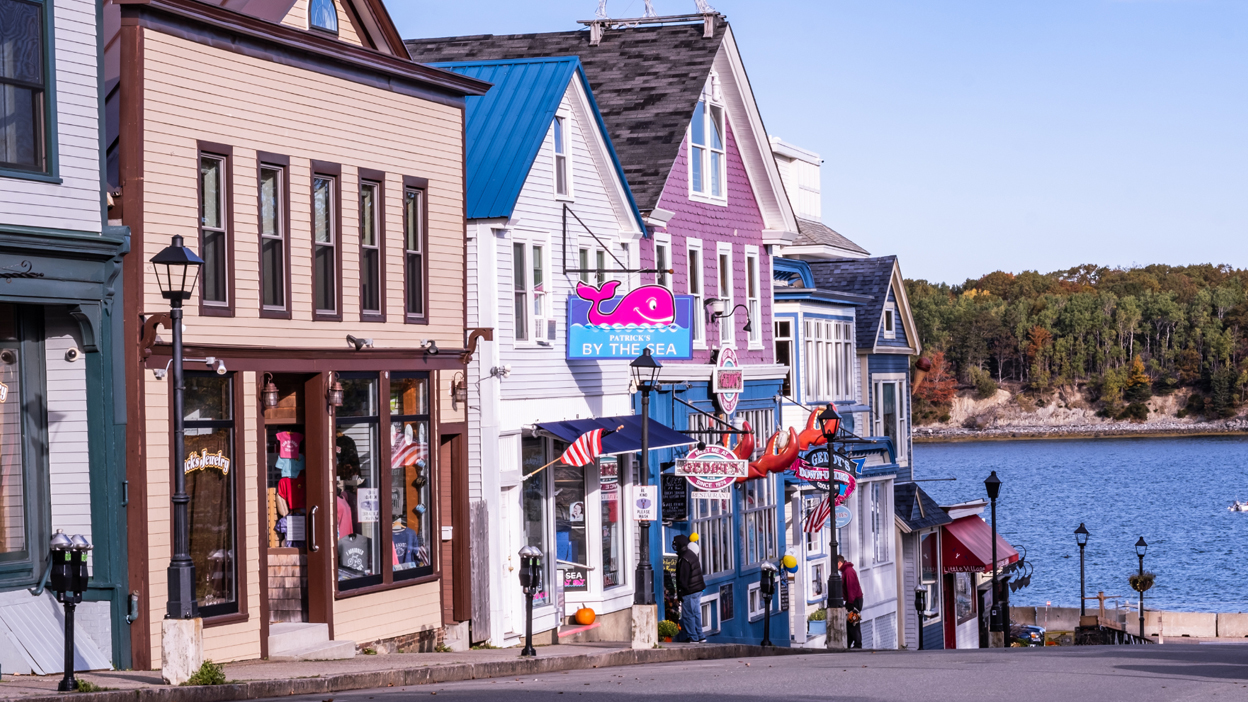
Maine’s geography is divided into three major regions that strongly shape settlement and lifestyle—including the rugged coastline, interior forests, and western Appalachian Highlands.
- Coastline: About 15% of the state features an ocean-tempered climate, with rocky shorelines, prominent islands like Mount Desert Island, and Acadia National Park. Populations concentrate here, benefiting from milder winters and maritime access.
- Interior Forests: Comprising the largest land area, over 50%, the northern and northern interior zones are dominated by boreal and mixed coniferous-deciduous forests, with colder, continental climate conditions and lower population densities.
- Western Highlands: The Appalachian Mountains include higher-elevation terrain in the western part of Maine, adding ruggedness and climate extremities largely influencing sparse settlement.
Settlement patterns reflect these zones, with denser towns and development mainly along the ocean-tempered coastal area and the milder southern interior. The northern interior remains more isolated with colder winters often characterized by harsher continental climate impacts.
Maine’s environment features over 6,000 lakes and prominent rivers like the Penobscot, integral to local ecosystems and recreation. Environmental conditions include significant snowfall ranging from 50 to 70 inches on the coast up to 110 inches inland in some areas. Nor’easters can rapidly drop over 10 inches of snow in a single storm, affecting infrastructure. Coastal storms also disrupt power and transportation intermittently. These geographic and climatic realities are crucial things to know before moving to Maine to understand local settlements and regional living patterns.
Urban vs Rural and Regional Living Patterns
Maine is characterized by a strong urban-rural divide that influences access to services, lifestyle, and infrastructure.
- Urban Concentration: Most of Maine’s population clusters in the southern and coastal regions, including the Portland metropolitan area and other towns with developed infrastructure. These urbanized zones benefit from better healthcare, education, utilities, and commercial services, making them more convenient but often costlier to live in.
- Rural Areas: By contrast, the northern and interior regions remain sparsely populated. These forests and remote towns maintain slower growth with limited public services. Residents often rely more heavily on self-sufficiency and travel greater distances for healthcare or shopping.
- Community and Infrastructure: Coastal towns generally support denser community networks oriented around maritime industries and tourism, while inland areas retain isolation with smaller populations. Internet and utilities access can be variable, especially beyond southern corridors.
This urban-rural pattern shapes relocation considerations for those moving to Maine, representing a significant factor to weigh within the broader context of the traditional New England lifestyle, which blends community values with geographic realities.
Taxes, Regulations, and Long-Term Planning Factors
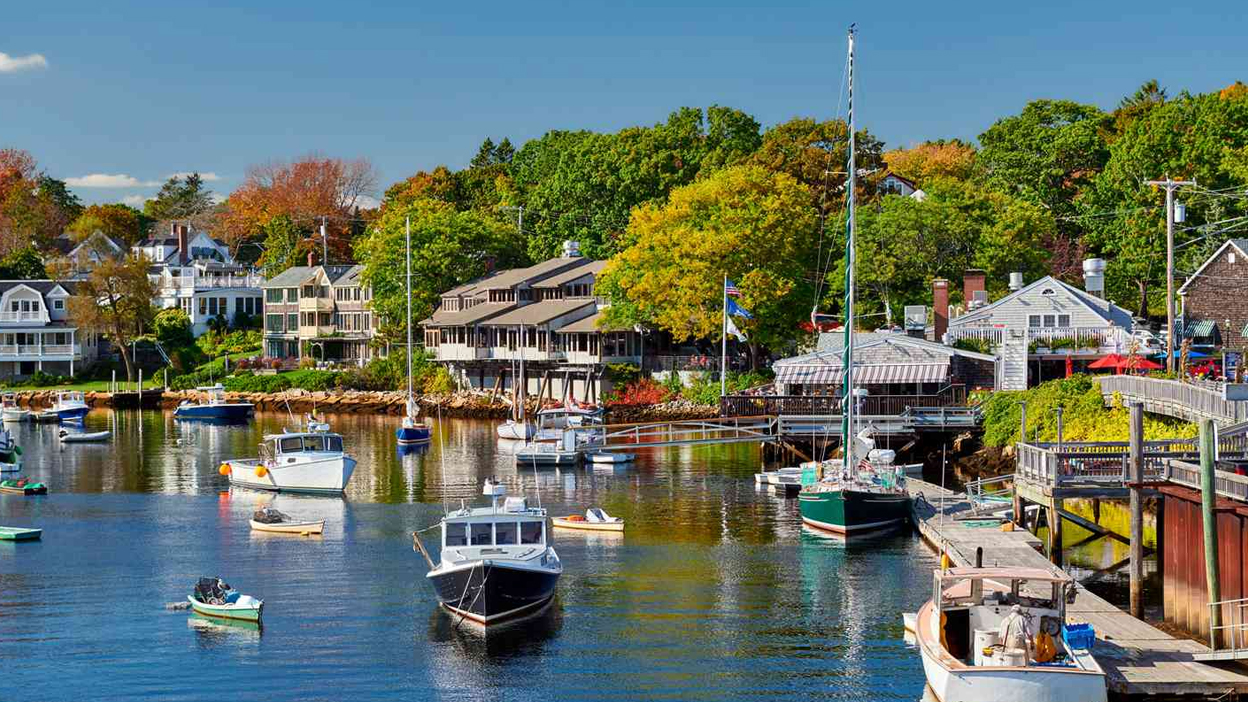
Maine’s tax structure and regulatory environment reflect its climate challenges and geographic vulnerabilities.
- Tax Overview: The state levies income taxes with multiple brackets, a sales tax, and property taxes that vary by location and municipal levies. Precise figures should be verified with official state resources to accommodate updates and local variations.
- Regulatory Focus: Coastal zoning laws aim to mitigate flood and storm risk through building codes and land use restrictions. Environmental protections safeguard water quality and natural habitats vital to Maine’s ecosystem and economy.
- Insurance and Building Codes: Flood insurance requirements are common in coastal and floodplain areas due to storm risks. Building regulations address structural resilience against heavy snow loads and high winds, reflecting environmental realities.
- Long-Term Planning: Understanding these frameworks is crucial for residents due to anticipated climate impacts and to ensure compliance, safety, and financial preparedness.
Knowledge of tax and regulatory factors constitutes important things to know before moving to Maine, especially for long-term financial and structural planning.
Who Maine Is Generally a Good Fit For
Maine particularly suits specific groups aligned with its environmental and social conditions.
- Retirees: Those seeking tranquility, natural beauty, and quiet rural or coastal settings find Maine appealing. Aging demographics reflect this draw.
- Outdoor Enthusiasts: Hikers, boaters, and nature lovers benefit from abundant forests, lakes, coastline, and attractions like Acadia National Park.
- Remote Workers: Maine’s lower urban density offers a slower pace and scenic lifestyle attractive to professionals working remotely.
- Industry Professionals: Those in marine industries, seafood processing, healthcare, and education often locate near southern urban hubs matching employment availability.
An appreciation of the state’s climate and the New England lifestyle community values is critical among these populations, making these key things to know before moving to Maine for a successful fit.
Who Should Research Further Before Moving
Certain populations may need more detailed investigation due to Maine’s varied realities.
- Families with Children: Education quality is uneven across regions. Localized research on schools and districts is essential.
- Specialized Job Seekers: Employment opportunities outside dominant sectors such as fishing, forestry, or healthcare require careful local job market assessment.
- Winter-Sensitive Individuals: Those adverse to cold or heavy snow should consider infrastructure and climate severity, especially in northern and inland zones.
- Transit-Dependent Residents: With limited public transportation, those reliant on mass transit systems must examine access and commute challenges closely.
Due to regional disparities, prospective movers should research further before moving to Maine by focusing on specific counties or communities that align with their priorities.
Conclusion
Understanding these things to know before moving to Maine provides a foundation for evaluating the state’s geographic diversity, cost structures, climatic challenges, and socio-economic patterns. Awareness of these factors equips prospective residents with essential insights into the Maine cost of living, transportation realities, and employment landscapes across regions.
This comprehensive statewide overview supports informed decision-making and primes readers for focused, detailed local research. Using this information as a base ensures that those considering moving to Maine approach their relocation with clarity about the state’s natural and structural frameworks, integral to a successful transition aligned with the New England lifestyle.