The pros and cons of living in New Mexico are embedded in this rich blend of environment and culture, influencing how daily life unfolds across its many regions. This state stretches across a diverse patchwork of landscapes—from the high desert zones and Chihuahuan Desert in the southern reaches to the alpine mountain zones in the north and sprawling plains to the east. These areas mark a mix of semi-arid to arid climates and a wide array of topographic features such as plateaus, basins, rugged mountain ranges, and river valleys.
New Mexico’s communities reflect this environmental diversity. Urban centers like Albuquerque thrive in the Rio Grande valley, surrounded by suburban enclaves on elevated terrains and isolated rural plateaus found far beyond city limits. Life in New Mexico is deeply shaped by how people navigate these varied geographies. The rhythms of daily living—whether shaped by elevation-driven seasons, cultural gatherings, or access to nature—offer a nuanced view that avoids broad generalizations or mere statistics. Instead, this exploration focuses on how lifestyle factors weave together with geographic and cultural contrasts typical of many Southwest states.
The Main Advantages of Living Here
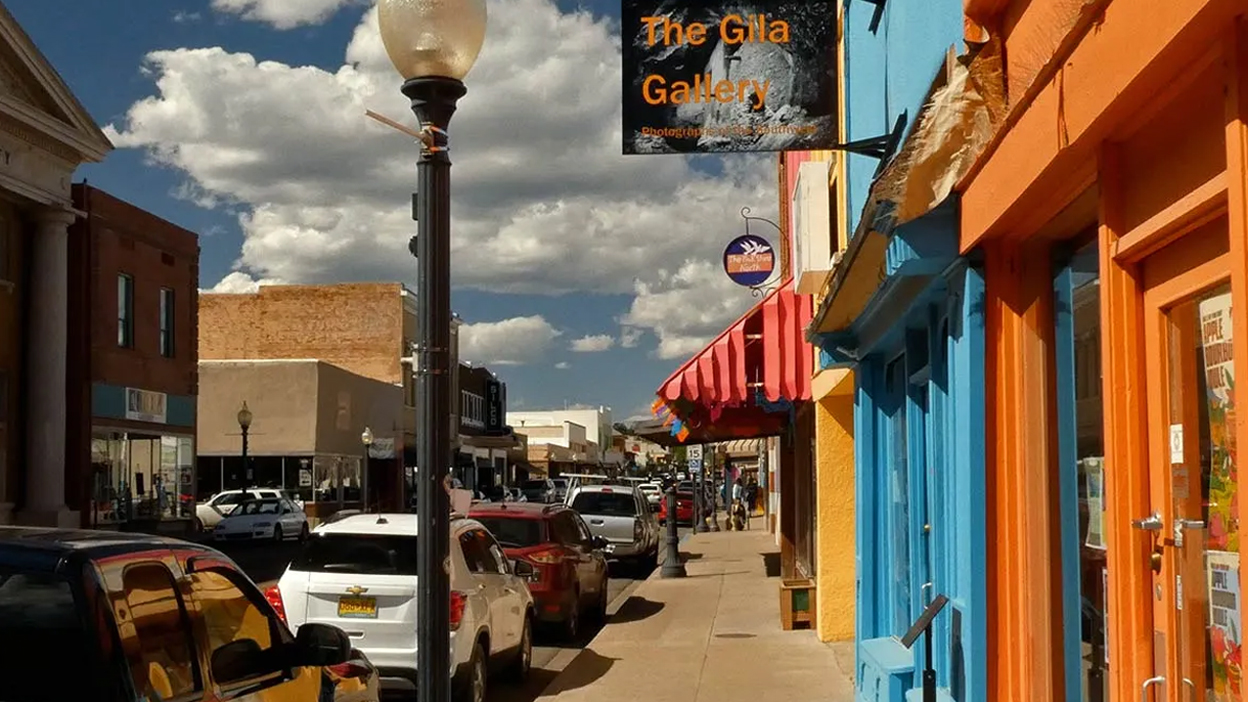
Life in New Mexico often moves at a distinctly slower and more relaxed pace, largely due to its vast, low-density landscapes. The expansive plains of the Llano Estacado and the many intermountain basins provide open spaces where the frenetic rush of city life softens into something calmer. This environment encourages routines shaped by tranquility rather than urgency, which for many residents helps reduce everyday stress and fosters a steadier, more even-keeled mood.
The state’s natural environment offers a unique blend that supports a wide range of outdoor activities year-round. The Chihuahuan Desert in the south with its rugged beauty contrasts sharply with the alpine forests of the Sangre de Cristo, Jemez, and Mogollon mountain ranges that rise to over 13,000 feet. The high plains also carry their own ecological character. This variety means those living here can tailor their lifestyle to fit the seasons and elevation. Hikes might range from desert trails rich with distinctive flora to wooded mountain paths shaded by brisk winds. Such geographic flexibility allows people to choose how deeply to engage with their surroundings—from the open spaces of southern deserts to the cool respite offered by northern mountain forests.
Culturally, New Mexico’s identity is equally rich, deeply influenced by Native American, Hispanic, and Anglo heritage. This indelible blend underpins the fabric of social interaction. Community events often revolve around traditions that have been kept alive for generations, ranging from feast days and dances to art gatherings and culinary celebrations. These cultural rhythms create opportunities for meaningful connection and a social warmth that suffuses many neighborhoods and towns. People living here often find themselves drawn into local arts scenes or food cultures that respect history while welcoming new influences.
Lifestyle diversity across the state is stark and purposeful. Urban centers such as Albuquerque promote a sense of connectedness and convenience, with access to shops, cultural venues, and healthcare. On the other hand, those situated in remote rural plateaus value solitude and vast open views, cultivating a quieter, more self-reliant lifestyle. Suburban mountain areas often blend these extremes, offering both community and proximity to nature. These varied living settings enable residents to match their environment to personal preferences and needs.
For many, the New Mexico cost of living is integrated into this spectrum of choices. While urban amenities provide ease and options, rural and suburban residents often accept trade-offs, gaining space and privacy at the expense of immediate access to services. This diversity typifies life in many Southwest states, where landscape and culture merge to shape distinct day-to-day realities.
Who Is Likely to Enjoy Living Here
People who thrive amid varied climates and expansive landscapes often find themselves at home in New Mexico. Those who appreciate natural transitions—from arid deserts through grassy plains to alpine peaks—resonate with the slower lifestyle paced by temperate daytime highs frequently hovering in the mid-50s°F range. The state appeals to those who welcome flexibility, able to navigate differing regional traits such as the cooler northern mountains, warmer southern valleys, rainy eastern plains, and dry western plateaus.
Individuals who value solitude and wide-open spaces as much as community connection find this state inviting. Remote basins offer peace and privacy, while urban and suburban valleys provide social engagement and amenities. This balance suits people willing to adjust across seasons and geography.
Natural surroundings are central for many residents. Hiking in the rugged Sangre de Cristo mountains or exploring the broad Chihuahuan Desert can be sources of creative inspiration and well-being. Cultural involvement often weaves into this appreciation of ecology and elevation-driven ecosystems. People who experience belonging here often identify strongly with this blend of sunshine-rich mountain air and desert expanses, typical of many Southwest states.
Who Might Feel Frustrated Living Here
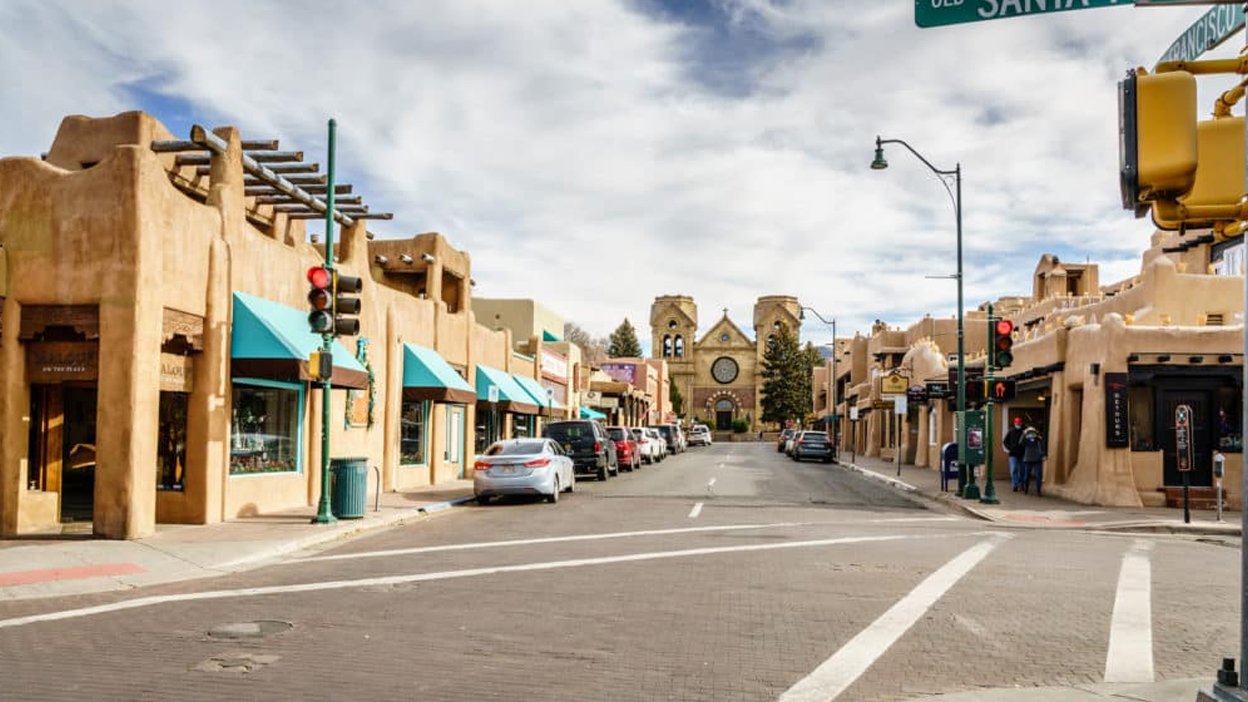
Those accustomed to uniform, predictable public services and amenities—common in large metropolitan areas—may find life in New Mexico challenging. The distances between communities, especially in sprawling plateau and mountain regions, can complicate access to healthcare, shopping, and social activities. Infrastructure inconsistencies linked to climatic and topographic divisions may frustrate expectations formed in denser environments.
Residents seeking consistently mild and gentle weather year-round often struggle with the state’s climate extremes. The dry aridity, summer heat exceeding 100°F in lower elevations, cold winter lows in mountainous areas, and sharp day-to-night temperature swings pose hurdles for comfort without deliberate adaptation.
People who prioritize fast-paced social interaction and metropolitan conveniences might feel constrained by the state’s low-density residential patterns. The moderate tempo set by factors like monsoon seasonality and the natural geographic barriers limits urban-style nightlife and metropolitan social scenes. Those wanting bustling, easily accessible city life may find New Mexico’s sprawling geography and cultural rhythms slower and more fragmented than desired.
Conclusion
The pros and cons of living in New Mexico represent a complex interplay of lifestyle factors shaped by semi-arid to alpine climates, rich cultural-environmental blends, and a geography that stretches from desert basins to towering mountain peaks. This state’s daily rhythms emerge from an environment defined by diversity—including dry plateaus, monsoon-fed forested highlands, and expansive plains—offering a distinct way of life within the Southwest states.
Understanding these nuances requires reflection on one’s personal lifestyle habits, adaptability, and priorities. Considerations about access, climate comfort, social tempo, and connection to nature help reveal how well life in New Mexico might fit an individual’s or family’s needs. This exploration offers not a verdict but a thoughtful resource inviting contemplation of the lived experiences that define this varied and rich state.
If you are weighing the pros and cons of living in New Mexico, it is this textured balance of environment, culture, and daily rhythms that will most shape your experience.