
Denver, Colorado is a city where advantages and challenges coexist in everyday life, creating a unique blend of experiences for residents. Understanding the pros and cons of living in Denver, Colorado involves more than abstract opinions or promotional claims—it requires a grounded look at how the city’s geography, climate, community, and cost factors shape daily routines. For many, the decision to live here hinges on how well their personal rhythms align with the practical realities of life in this place, rather than broadly stated benefits or drawbacks.
In this exploration, we focus on the real, lived experience of residents adapting to the city’s character. From managing the Denver cost of living to engaging in the city’s distinctive outdoor lifestyle, the dynamics of daily life reveal a complex pattern of trade-offs and rewards. The rhythm of living in Denver Colorado involves navigating these together, shaping a lifestyle that is both vibrant and challenging.
The Main Advantages of Living Here
Outdoor Lifestyle as Daily Reality
One of the clearest advantages that defines life in this city is the outdoor lifestyle. Unlike places where nature is reserved for holidays or occasional weekends, the proximity of the Rocky Mountains and an extensive network of parks and trails integrate outdoor recreation into regular daily and weekly patterns.
Residents frequently head to hiking paths, mountain biking routes, or ski slopes, not as special excursions but as habitual leisure activities woven into after-work or weekend schedules. The easy access to nature supports physical wellness and social interaction alike. It is common to see groups gathering for casual hikes or biking sessions after work, making outdoor activities a fundamental part of how people unwind and connect.
This outdoor lifestyle is not separate from city life; it coexists as a key element of the local culture.
Urban Convenience Paired with Nature Access
Living here means enjoying a blend that combines the benefits of a mid-sized urban environment with immediate entry points to natural landscapes. The city’s cultural venues, restaurants, and job markets offer daily conveniences expected in a thriving metropolitan area. Yet, these do not come at the cost of endless urban sprawl or isolation from green spaces.
Residents benefit from a cityscape that supports cultural and professional engagement alongside easy weekend retreats. The balance between urban amenities and outdoor proximity creates a flexible daily life where nature and city bustle coexist.
Alongside this, economic vitality is present in the background. Housing prices have risen over the past decade, reflecting growth and demand, which influence the city’s character and livability. While incomes have also grown, this dynamic impacts how people experience the city’s environment and plan their lives within it.
Community and Cultural Integration
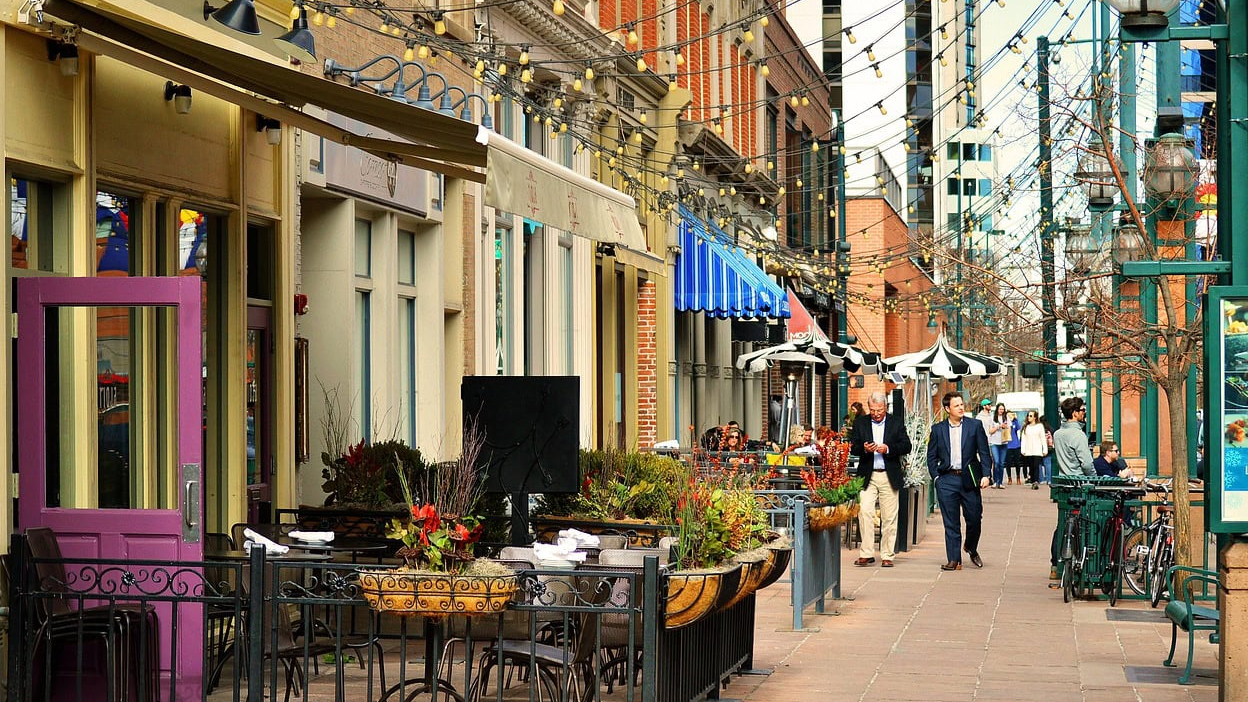
The city’s evolving neighborhoods contribute to a distinct community feel rather than feeling like merely a collection of entertainment districts or tourist spots. Local food culture, neighborhood breweries, and arts venues are integral to day-to-day living, rather than isolated events or attractions.
This integration fosters a sense of belonging where social life, cultural participation, and daily errands form a cohesive pattern, providing residents with meaningful local connections not dependent on special occasions or seasonal festivals.
Those Who Embrace Adaptability
Successful residents tend to demonstrate flexibility. They accommodate seasonal variations, accept the realities of traffic and parking, and actively engage with their communities despite ongoing changes in neighborhoods and infrastructure.
Financial stability or dual-income households often characterize those who can comfortably manage the city’s higher housing costs. While incomes have grown, they require a level of economic planning and resilience, particularly given the rising Denver cost of living.
Those Seeking Metropolitan Energy Without Megacity Constraints
For those who value cultural vibrancy, diverse job opportunities, and metropolitan energy without the overwhelming scale or density of enormous urban centers, the city offers an appealing middle path. The pace is dynamic and the offerings rich while still avoiding the extremes of megacity congestion.
Who Might Feel Frustrated Living Here
Those Seeking Slower Paces
Individuals who prefer steady, predictable environments and low-density living may find the city’s accelerating growth and changing urban landscape unsettling. Constant construction, shifting neighborhood dynamics, and an increasing population change the fabric of daily life continually.
Those Dependent on Public Transit
Residents relying solely on public transportation or who avoid driving face real mobility challenges. Transit coverage is limited, making many parts of the city hard to access without a car. This car-dependency represents a considerable constraint for those who value or need comprehensive transit options.
Climate-Sensitive Individuals
Those sensitive to cold winters, dry air, or altitude effects may struggle with the necessary lifestyle and physiological adjustments here. Altitude sickness, dehydration, and respiratory adaptation are common concerns, requiring ongoing attention and acclimatization.
Budget-Conscious Renters or First-Time Buyers
The high cost of living and rising housing prices can create financial strain, especially for renters earning lower wages or potential homebuyers without substantial savings. Affordability poses a continuous hurdle that shapes decisions about where and how to live, influencing the experience of many residents.
Conclusion
The pros and cons of living in Denver, Colorado combine into a nuanced, distinctive daily experience rather than a simple judgment of good or bad. The accessible mountains and integrated outdoor lifestyle offer real benefits, but they come alongside traffic congestion, climate adaptations, cost pressures, and transit limitations.
Living well here depends on thoughtful self-reflection about personal life rhythms, financial situations, climate tolerances, and lifestyle priorities. Success often means embracing flexibility, valuing the blend of urban culture and natural accessibility, and managing transportation and housing costs within a growing metropolitan environment.
Ultimately, the pros and cons of living in Denver, Colorado highlight the practical alignment required between the city’s realities and the resident’s own expectations and capacities—a balance unique to this city’s daily life.