
Deciding how to choose where to live in Illinois is a deeply personal process. It goes beyond simply scanning lists of popular towns or chasing widely celebrated rankings of the best places to live in Illinois. Instead, this choice depends on aligning your values, daily lifestyle, and long-term goals with the unique character of each location. Illinois is a state marked by considerable variety—from the bustling urban core of Chicago to quiet suburban neighborhoods and open rural landscapes—each offering distinct rhythms and experiences. Understanding how to weigh these differences is essential to finding where to live in Illinois that truly fits you.
In this guide, we will explore key factors influencing residential decisions without promoting particular cities. The goal is to help you thoughtfully evaluate environments based on lifestyle, geography, economics, and community dynamics. This approach encourages clarity in balancing practical trade-offs with emotional needs, leading to a place that can feel like home for years to come.
Daily Lifestyle Priorities: Urban, Suburban, and Rural Living in Illinois
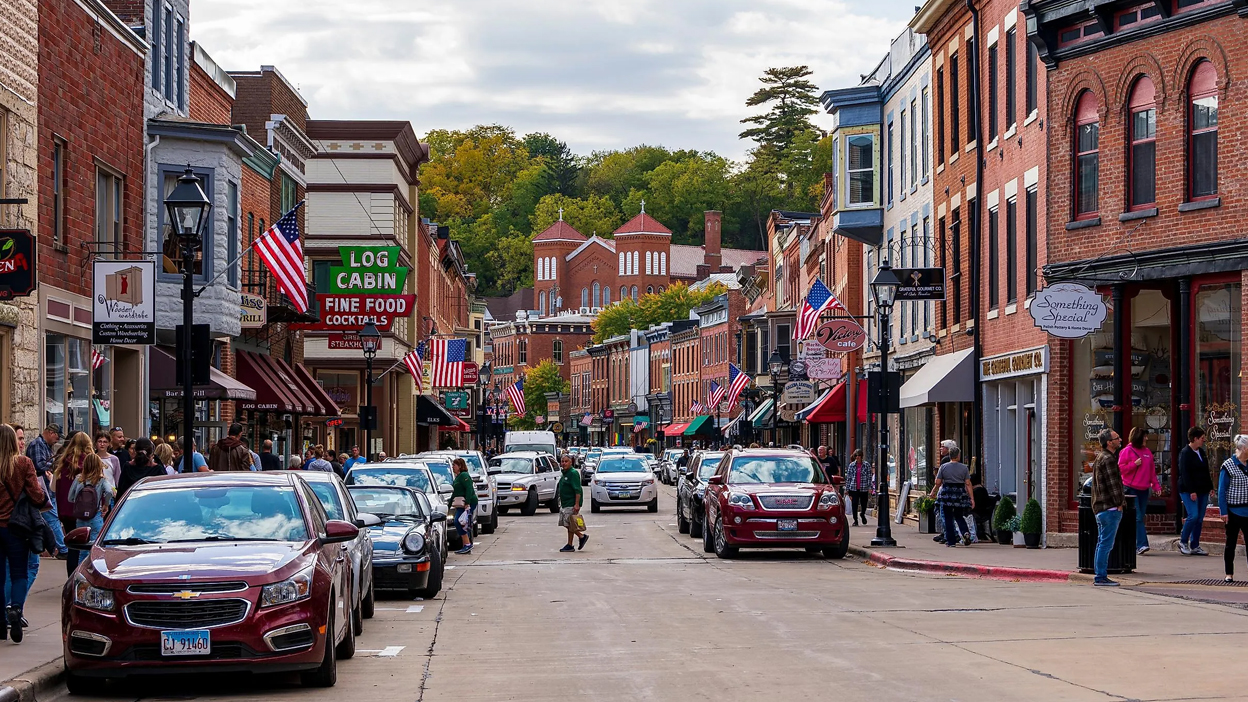
When considering where to live in Illinois, the first major lens is daily lifestyle. Urban, suburban, and rural settings offer distinctly different day-to-day experiences. Understanding these differences in how you interact with your surroundings, commute, access amenities, and spend leisure time sets a foundation for your decision.
Urban life in Illinois, epitomized by Chicago’s dynamic environment, involves a fast-paced routine. Residents often benefit from walkable neighborhoods where cultural venues, restaurants, public transit, and recreational paths like the lakefront trails are minutes away. This density brings a vibrant mix of events and spontaneous encounters but can also introduce crowding and noise. For those who thrive amid activity and immediate access to diverse amenities, urban living offers an energetic lifestyle.
Suburban areas in the state provide a middle ground. They typically offer more space—larger yards, parks, and quieter streets—than the urban core, along with proximity to shopping centers and schools. While suburban living involves more driving, often by car across expansive counties like Cook or DuPage, residents enjoy a balance between convenience and a connection to nature. However, this convenience has trade-offs including ongoing maintenance of home and yard, which translates into expenses that affect the Illinois cost of living. The added responsibilities may appeal more to those seeking a stable family environment or room for pets and gardening.
Rural communities in Illinois present a slower pace deeply intertwined with natural surroundings. Wide-open farmland, forested areas, and less dense infrastructure require residents to be largely self-sufficient. While the tranquility and expansive views offer peaceful daily rhythms, access to amenities like entertainment, grocery stores, or medical services may involve longer drives. Rural living reduces day-to-day expenses in some aspects, but the cost and time of travel become everyday considerations. This environment favors those valuing solitude, outdoor activities, and a less commercial pace of life.
Each of these living patterns defines how proximity to services and entertainment shapes your daily experience. Engaging with this spectrum helps clarify where your priorities lie beyond simple notions of popularity or perceived status.
Geography and Regional Differences Within Illinois
Illinois’s natural and geographical diversity plays a substantial role in lifestyle variations and should weigh heavily when exploring where to live in Illinois. The state is far from uniform: northern Illinois features a blend of urban and suburban zones along Lake Michigan’s shores, while central regions stretch across fertile plains, and southern areas showcase agricultural lands mixed with forested hills and national parks.
Northern Illinois benefits from waterfront access that supports boating, walking trails, and cooler climates influenced by the lake. Urban infrastructure is strongest here, making it ideal for those seeking a blend of nature and city life. The lakefront area’s distinct microclimate and recreational opportunities influence outdoor lifestyles and community designs compared to the more flat and open central plains.
By contrast, rural towns foster close-knit ties through longstanding relationships and shared spaces like small business districts, community centers, and local churches. The smaller population creates familiarity and support but tends to reflect less demographic variety than urban areas. This quiet social fabric suits those who appreciate predictability and deep roots.
No one social environment is universally preferable. Instead, where you feel comfortable depends on what types of connections and community rhythms match your temperament and lifestyle values. Reflecting on this dimension alongside geography and economics helps clarify your ideal living context within Illinois.
Short-Term Versus Long-Term Living Considerations

Lifestyle priorities often evolve depending on whether your stay in Illinois is temporary or permanent. This distinction may alter how you evaluate housing, community, and amenities.
Short-term residents—such as those fulfilling work assignments, students, or trial renters—may prioritize immediate convenience, urban excitement, or access to transit for mobility. Flexibility and minimizing commitments often take precedence over building roots.
Long-term residents think about stability, community integration, and longevity. They may favor suburban neighborhoods with established schools or rural locales offering peace and connection to nature. Concerns include aging in place, children’s education, and adapting to changing mobility or health needs.
Life stage changes, evolving job situations, or growing families can shift priorities, underscoring the importance of adaptability. Remote work developments further complicate these considerations by expanding the range of feasible locations.
As you navigate where to live in Illinois, factoring in your time horizon and potential future transitions grounds your choices in realism rather than idealism alone.
Practical Ways to Narrow Down Your Options
The process of finding where to live in Illinois benefits from a combination of introspection and exploration.
Begin by assessing your daily lifestyle requirements, budget flexibility, and social preferences across urban, suburban, and rural options. What matters most—proximity to cultural activities, green spaces, affordability, or community feel? Define clear priorities.
Then, get out and experience potential areas yourself. Visit the Chicago lakefront on a weekend to sense urban pulse, explore suburban parks during weekdays, and take hikes or drives through rural trails across different seasons. These firsthand observations reveal subtle details about noise levels, traffic patterns, social life, and access to amenities.
Maintain patience and openness. Your impressions might transform as you engage with local cultures and natural surroundings. Remote work or shifting family needs may also recalibrate your perspectives.
Finally, consider how the Illinois cost of living fits within your overall financial framework by including not only housing but utilities, transportation, and daily expenses in your calculations. Being mindful of these variables complements on-the-ground experiences to guide clearer decisions.
Conclusion
Finding satisfaction in selecting a place to live in Illinois lies not in seeking a universally recognized best spot, but in discovering how diverse regions—from urban energy to suburban balance and rural calm—resonate with your personal values and rhythms.
Embracing the state’s geographic and social diversity without succumbing to oversimplified rankings enables thoughtful reflection and flexibility. Recognizing that your needs and preferences are unique directs your attention toward meaningful engagement rather than fleeting trends.
With calm consideration, deliberate exploration, and openness to evolving insights, you can navigate Illinois’s rich tapestry to locate a community and environment that supports a fulfilling and sustainable way of life.