
North Carolina’s geography unfolds in vivid diversity, stretching from the rugged Appalachian Mountains in the west through the rolling Piedmont plateau at the center, and sweeping to the broad Coastal Plain in the east. This geographic variety creates distinct ecosystems that shape more than just landscape — they influence how people live, move, and connect across the state. North Carolina, resting at the crossroads of northern and southern cultural zones, offers a lifestyle forged through the interplay of environment and tradition. This post explores the pros and cons of living in North Carolina, focusing on how regional differences shape daily life, mood, mobility, and social interaction rather than presenting any ranking or evaluation.
Life here reflects the nuanced trade-offs of location, climate, and community culture woven through a state known for its Southern hospitality tempered by diverse environmental realities. Understanding these intertwined advantages and challenges can help those considering living in North Carolina assess how well this complex environment fits their personal rhythms and needs.
The Main Advantages of Living Here
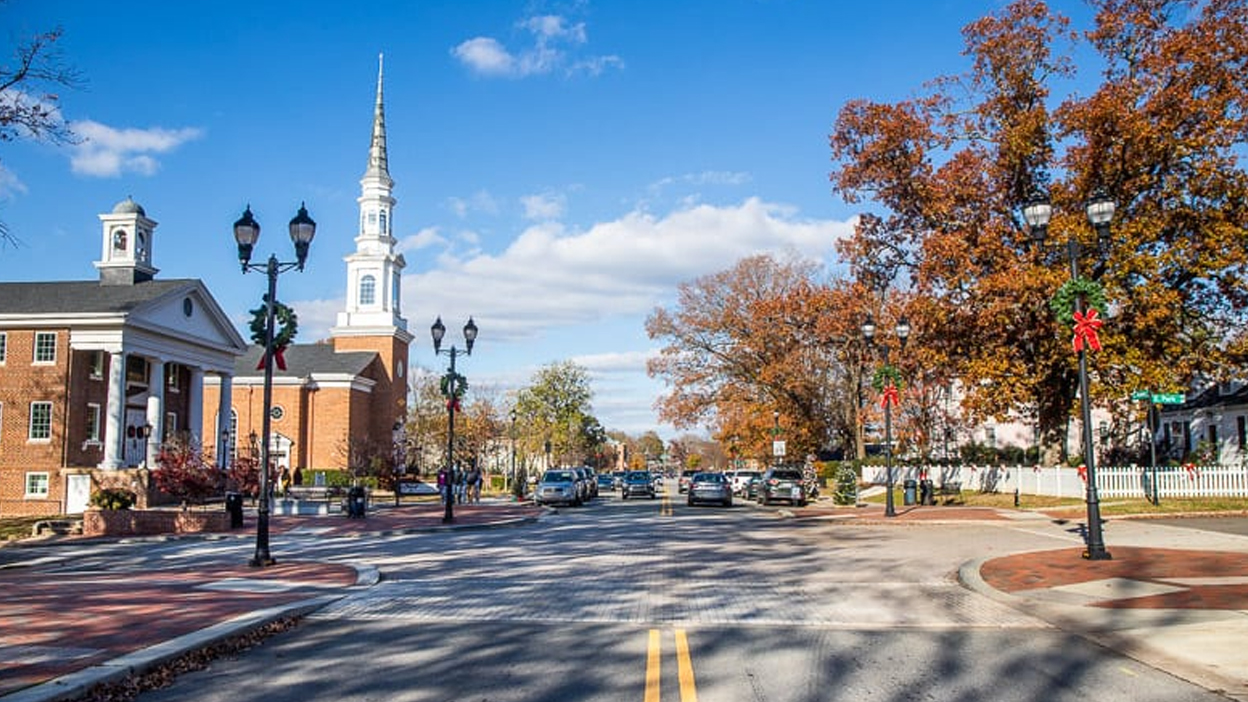
One of the most apparent advantages experienced by those living in North Carolina is the varied pace of life across its regions. The Piedmont area, home to metropolitan hubs like Charlotte and Raleigh, pulses with energy and urban growth. Here, city life blends with the historical farmlands, offering a lively, moderate-to-fast tempo. In contrast, the Mountains to the west and the Coastal Plain to the east offer more tranquil, slower rhythms, with rural towns and small communities that deeply value a sense of calm and connection to nature.
The state’s expansive natural environment enriches daily and seasonal routines. Along the coast, the Outer Banks and the broader Tidewater region open up endless opportunities for fishing, boating, and beach outings. The Woodland areas of the Coastal Plain, marked by pine forests and swamps, provide quiet spaces for wildlife observation and hunting. Farther inland, the rolling Piedmont features agricultural land, rivers, and forested hills that invite hiking and fishing, while the Appalachian Mountains offer rugged terrain for more challenging outdoor adventures like backpacking and mountain biking.
These outdoor options are more than recreation; they shape weekly habits and annual cycles. For many,
weekends include family hikes on Blue Ridge trails, community festivals in Piedmont towns celebrating local heritage, or coastal excursions chasing crabs and enjoying the soft sounds of the ocean. This environmental richness turns nature into an integral part of life rhythms.
North Carolina’s cultural identity flows from Southern roots—deeply embedded in hospitality, community networks, and tradition. Whether in a city neighborhood or a mountain village, social interactions tend to be warm and relationship-driven, with church gatherings, farmers markets, and local festivals reinforcing these bonds. Uniquely, life here also reflects a subtle blending of northern and southern cultural influences given the state’s position on the East Coast, creating a convivial social atmosphere that values friendliness without heavy formality.
This combines with substantial lifestyle flexibility allowed by geographic diversity. Residents often balance access to the amenities of city life—such as healthcare, shopping, and entertainment found mainly in Piedmont metros—with quieter suburban or rural living. This range caters to families wanting good schools and safe neighborhoods, retirees seeking peaceful coastal sounds, or individuals preferring solitude in mountain cabins. The NC cost of living tends to support these choices by being moderate relative to some other southern states, allowing people to adapt their lifestyles without excessive financial pressure.
In essence, living in North Carolina invites a hybrid existence: the possibility to participate in urban cultural vibrancy or retreat into serene natural landscapes depending on personal preference and life stage. This flexibility, rooted in the state’s geographic and cultural variety, shapes much of the daily life and mood for its residents.
Who Is Likely to Enjoy Living Here

People who find satisfaction living in North Carolina often share certain traits. They embrace a blend of Southern cultural values—hospitality, warmth, loyalty—while appreciating the variety the state offers geographically and socially. Enthusiasts for outdoor recreation thrive here, whether their passion is hiking Appalachian trails, casting lines along the Outer Banks, or wandering the Piedmont’s green spaces.
Those who appreciate a moderate pace that shifts with seasons tend to align well with this state’s lifestyle. Residents enjoy balancing the blend of city conveniences in the urban Piedmont with access to vast natural landscapes and a sense of community rooted in Southern traditions. This flexible approach to living, comfortable with seasonal weather changes and geographic diversity, helps sustain strong local identities while connecting with broader regional cultures found across southern states.
Individuals drawn to places with vivid environmental variety—mountains, farmlands, beaches—and cultural diversity find resonance here. The mosaic of urban hubs and vast rural expanses creates lifestyle choices appealing to families, retirees, outdoor lovers, and those seeking community in a uniquely Southern setting marked by hospitality and a slower but rich social fabric.
Who Might Feel Frustrated Living Here
On the other hand, North Carolina may not suit everyone’s preferences or needs. Those with low tolerance for humidity often struggle with the sultry, sticky summers along the Coastal Plain. The sharp seasonal swings—from coastal heat to mountain cold—require lifestyle adjustments that some may find burdensome or inconvenient. For example, the need for layered planning and changing wardrobes can interfere with daily routines.
Geographic distance poses another difficulty. People commuting long distances across the state or living in sparsely populated mountain or coastal areas may feel isolated or inconvenienced by limited access to services. Errands that many take for granted become major trips, and public transportation options are often scarce outside urban centers.
Expecting a uniform experience can also breed frustration. The contrast between the Piedmont’s bustling suburbs and the isolation of mountain communities can be stark, as are disparities in the availability of healthcare, schools, and entertainment. Individuals who desire consistent infrastructure and predictable amenities across regions may find North Carolina’s diversity challenging, reflecting a mismatch in expectations rather than a failing of place.
These sources of frustration highlight how personal preference and lifestyle priorities shape lived realities here. Acceptance of variability and willingness to adapt are key to experiencing life in the state without undue disappointment.
Conclusion
The pros and cons of living in North Carolina emerge from a complex tapestry of climatic diversity, geographic spread from Appalachian peaks to sandy Coasts, Southern cultural traditions, and the sheer scale of the state. Together, these factors create distinct regional lifestyles rather than a single state experience, influencing daily rhythms, social practices, and mobility in meaningful ways.
Those considering a move or evaluation of life here should assess how their personal habits, priorities, and openness to diversity align with these multifaceted local realities. Whether drawn to bustling Piedmont metro areas, quiet mountain retreats, or lively coastal communities, the state’s lived experience demands flexibility and a willingness to engage with environmental and cultural complexities.
This reflection on the pros and cons of living in North Carolina serves not as judgment but as invitation—to understand life here through the nuanced lens of place-based experience shaped by nature and society alike.