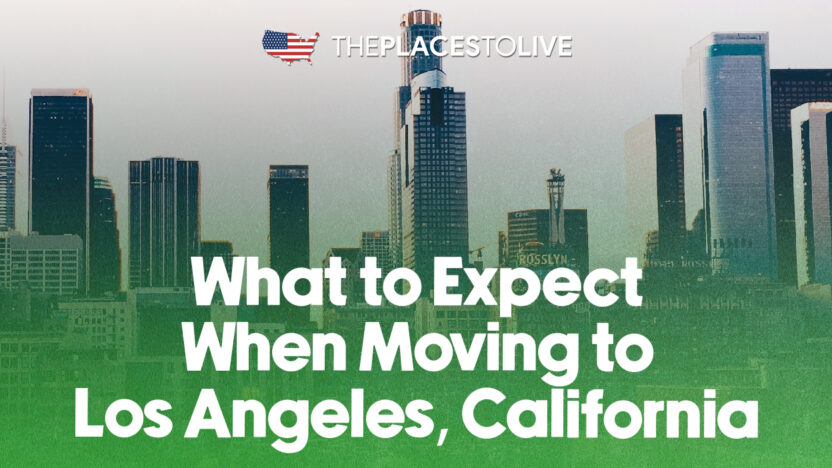
Moving to Los Angeles invites a distinct experience that often contrasts sharply with the glamorous images commonly associated with the city. The phrase what to expect when moving to Los Angeles goes beyond merely the logistics of relocating. It encompasses the complex sensory impressions, everyday realities, and emotional adjustments newcomers face upon arrival.
Los Angeles is a vast, sprawling metropolis defined by its relentless pace and a car-dependent LA lifestyle. The city’s size and energy present unique challenges that shape living in Los Angeles into a process of gradual adaptation. This guide aims to offer a precise, no-fluff insight into that experience. It prepares you for shifts in perception, routine, and social vibes without romanticizing or dramatizing the transition.
The First Weeks: Initial Impressions and Reality Checks

The initial weeks after moving to Los Angeles bombard newcomers with a mix of new sights, sounds, and unexpected obstacles. One of the earliest realities of living in Los Angeles is the constant soundscape. The city never fully quiets—traffic noise blends with urban sounds creating a near-constant hum that challenges those used to quieter places.
The vast, sprawling layout of LA immediately feels overwhelming. Distances stretch far beyond those expected in most cities. Errands or visits that might take minutes elsewhere often require long drives. Traffic patterns compound this effect. Even short trips become unpredictable, sometimes extending well beyond anticipated durations.
Another surprise in the early days of moving to Los Angeles is how neighborhoods blend almost invisibly into one another. The city’s fabric lacks the clear demarcations newcomers often expect. Beaches, while iconic, can shift dramatically by time of day—glistening during daylight but appearing gritty or deserted at night.
The local atmosphere mixes the casual—flip-flops at grocery stores and laid-back fitness groups—with underlying social tensions, particularly in areas like Skid Row. This blend can create subtle unease, adding complexity to everyday encounters.
Daily life also demands new practical considerations. Earthquake preparedness quickly becomes a priority, with residents adopting new safety routines and household adjustments. Parking emerges as a persistent challenge, turning simple errands into logistical planning. Meanwhile, an active outdoor fitness culture encourages spontaneous hikes or yoga sessions amid the city’s sprawling geography.
These sensory and practical realities serve as natural reality checks for anyone moving to Los Angeles. They gently temper early expectations while beginning the process of acclimatization to the LA lifestyle.
Adjusting to Daily Routines
Commuting in Los Angeles is central to adapting your day-to-day life. The prominence of traffic congestion during peak hours fosters heavy reliance on cars, but driving is frequently less practical than expected. Many residents supplement or replace driving with rideshares like Uber and Lyft, public buses, or biking within denser central neighborhoods.
How Long It Usually Takes to Feel Settled
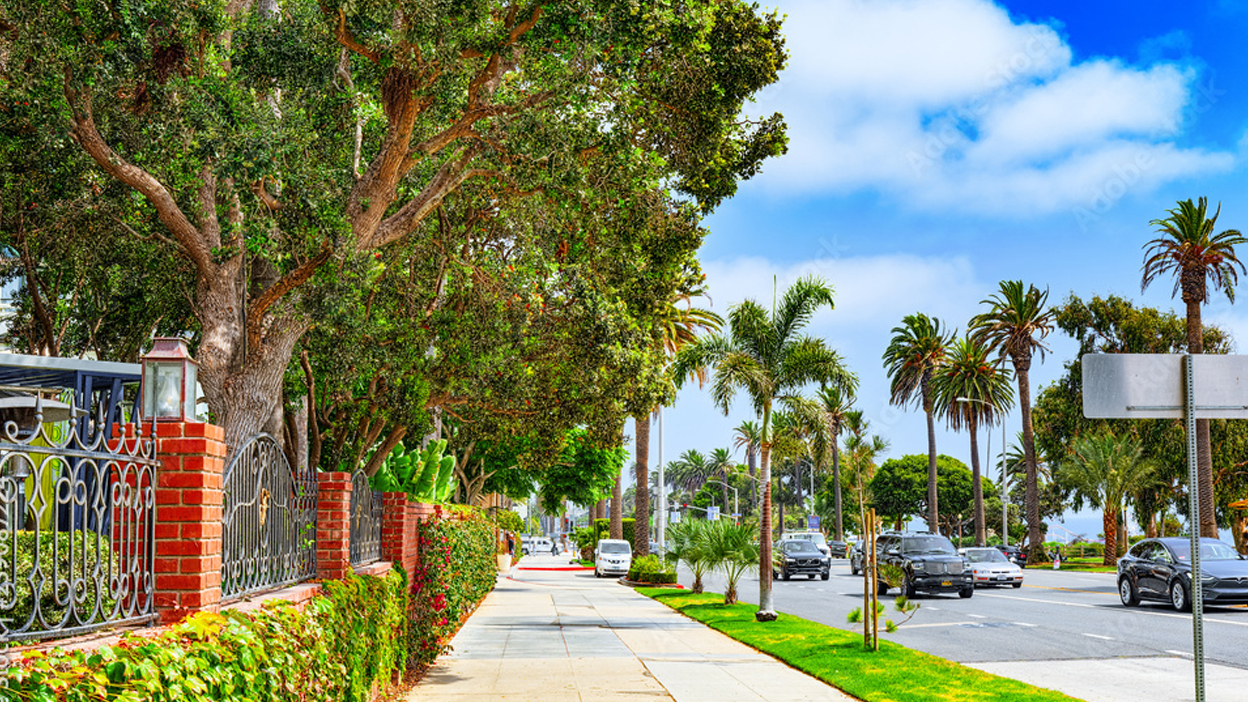
The timeline for settling into living in Los Angeles is highly individual and flexible. For many, feeling fully at home spans months to a year or more. This period is influenced by factors such as previous urban experience, personal resilience, and availability of support systems.
The first week often presents sensory shock: noise, size, and pace overwhelm the senses. By the first month, most people begin adjusting routines—refining commuting patterns, building social contacts, and integrating safety habits related to earthquakes.
Approaching the 12-month mark, many have developed ease with routine tasks. Earthquake preparedness feels habitual rather than stressful. Regular hikes or outdoor activities often become embedded into weekly schedules. Traffic navigation strategies grow instinctive, reducing stress during rush hours.
Recognizing this variability prevents unnecessary anxiety about meeting arbitrary milestones. Adaptation to the LA lifestyle happens organically on a spectrum unique to each newcomer.
What Helps the Transition Feel Easier
Stabilizing your daily routine provides essential grounding amid the city’s dynamic environment. Regular outdoor activities—such as hikes in nearby hills, yoga classes in communal parks, or visits to popular juice bars—offer physical benefits alongside mental clarity.
Patience paired with realistic expectations smooths the adjustment process. Familiarizing yourself with casual dress norms, embracing local traffic navigation tactics, and participating in community-led events without pressure promotes steady progress.
Adopting a flexible, wellness-oriented mindset is key to integrating successfully into the LA lifestyle. Prioritizing connection, health, and acceptance over perfection allows newcomers to build comfort in the city gradually. Viewing this transition as ongoing rather than a fixed endpoint encourages resilience and fulfillment.
Conclusion
What to expect when moving to Los Angeles includes a mixture of surprise, challenge, and gradual discovery. Initial feelings of unsettlement or difficulty are normal responses, not indications of a misguided choice.
The journey to embracing living in Los Angeles is highly personal and ongoing. It involves learning to navigate vast spaces, unanticipated social dynamics, and a distinct car-centric culture. Adjustment is less about swift transformation and more about steady immersion into the LA lifestyle.
Accepting the transition process with patience and realistic outlooks empowers newcomers. Over time, adaptation yields meaningful comfort and a deeper connection to this complex, expansive city.