
Moving to a new city comes with plenty of questions. If Fort Worth, Texas, is on your radar, you’ll want to know the key facts and realities before making the leap. This guide focuses on the essential things to know before moving to Fort Worth, Texas, blending practical details and real-life tips. Situated within the larger Dallas-Fort Worth (DFW) metro area, Fort Worth offers a unique balance between urban opportunity and a relaxed lifestyle. As you compare DFW cities, understanding Fort Worth’s distinct character, costs, and challenges will help you decide if it’s the right next home.
Why Many People Choose to Move to Fort Worth
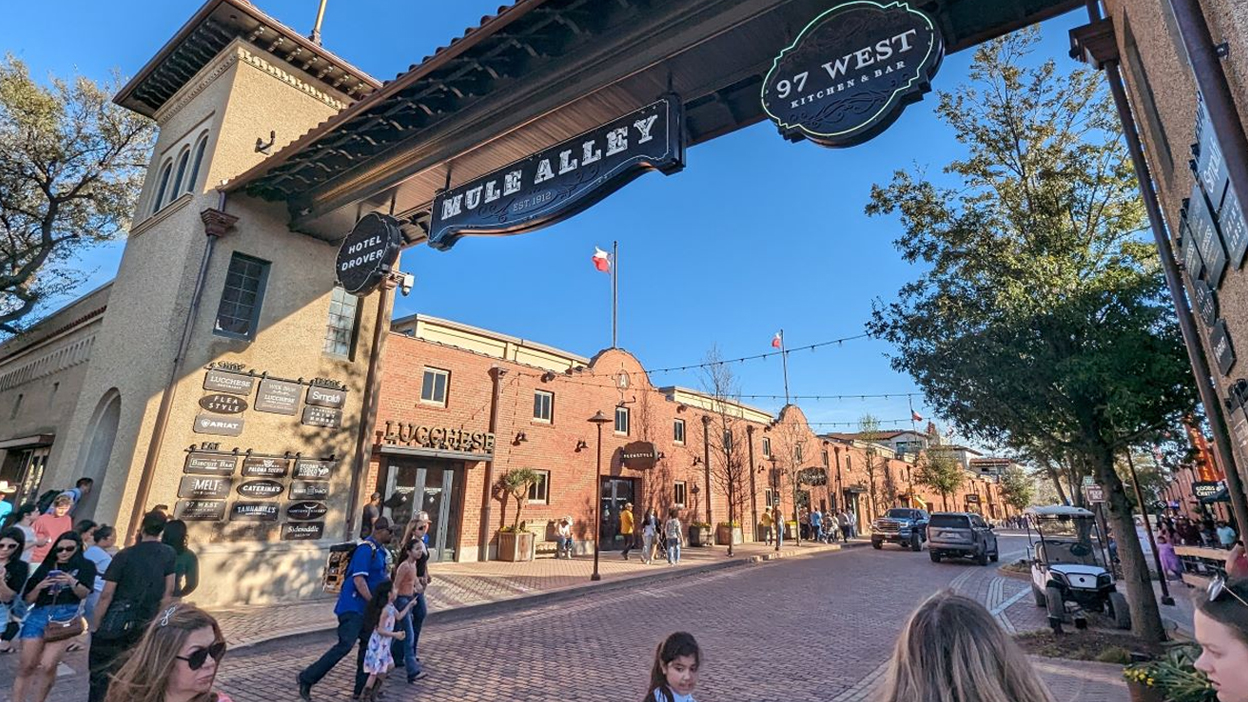
Fort Worth attracts newcomers for several solid reasons. One big factor is the growing job market. The city’s economy is expanding in several industries such as aerospace, manufacturing, and healthcare. These fields offer varied career paths and steady openings, which appeals to job seekers.
Aside from jobs, many people are drawn to Fort Worth’s lifestyle. Compared to Dallas, its vibe is slower and more relaxed, with visible Western influences shaping the city’s culture and feel. If you’re looking for a place with personality that doesn’t rush you, Fort Worth’s pace might fit. Plus, Fort Worth tends to be more affordable than other Texas cities, especially when compared with Dallas, which is important if housing costs are a factor in your move.
When comparing DFW cities, Fort Worth offers a mix of economic potential and a distinctive lifestyle not found just a few miles away in Dallas. This is a crucial point to keep in mind while weighing your options.
Understanding the Cost of Living in Fort Worth
Before moving, it’s important to get a sense of the Fort Worth cost of living. Overall, Fort Worth is generally easier on the wallet than Dallas and other large Texas cities. Housing costs especially stand out as more affordable, which makes a big difference to most budgets.
Living expenses beyond housing—things like groceries, transportation, and healthcare—also tend to be reasonable. Because of this, residents often find they have some breathing room in their budgets for essentials plus extras like dining out or entertainment. The lower baseline costs mean you can enjoy a wider range of activities without stretching your finances too thin.
Still, housing remains the biggest financial part of living in Fort Worth Texas. So when figuring out your budget, consider your housing needs first, then fit other expenses around them. Being realistic about costs from the start will make your move smoother.
Choosing the Right Neighborhood and Housing Options
Fort Worth offers diverse neighborhoods that suit different lifestyles. If you prefer modern conveniences and planned amenities, new master-planned communities might interest you. These areas typically provide spacious homes along with community features like parks and pools.
Updating your mailing address with the postal service, employers, banks, and subscription services is another important step for smooth mail delivery and billing. Voting registration and other local registrations may also require attention.
Fort Worth offers online and in-person resources to help with these processes. Handling this paperwork efficiently reduces stress and keeps your transition running smoothly.
Lifestyle and Social Culture in Fort Worth
Living in Fort Worth Texas means settling into a city with a friendly, laid-back culture. The pace here feels slower than in nearby Dallas, shaped by the city’s Western roots and historic character. This environment appeals to people seeking a community vibe without the intensity of bigger metros.
The social scene includes cultural events, local festivals, and institutions like the Stockyards and Sundance Square, which serve as gathering places for residents. Because Fort Worth is growing, many neighbors are newcomers, which can make meeting people a bit easier.
The city draws a diverse population—including young professionals, families, and retirees—each bringing something different to local life. Understanding the social rhythm helps prepare for how you might fit in and find your community.
Common Challenges to Expect and How to Handle Them

Moving to Fort Worth brings benefits, but it also includes some typical hurdles. Housing searches can be tough because the city’s popularity means competition is high. Finding the right place within your budget may take time and patience.
Adjusting your budget to Fort Worth’s cost of living is another step. Even though the city is more affordable, lifestyle choices affect your finances. It’s important to budget carefully for entertainment, dining, and daily expenses.
Building social connections isn’t instant either. Making strong friendships and community ties requires effort over several months. Be ready for some social adjustment as you settle in.
Finally, getting used to driving rules, utility providers, and seasonal weather takes time. Expect a learning curve with local systems and an initial phase of adaptation.
Conclusion
Moving to Fort Worth, Texas involves weighing many factors—from cost and jobs to lifestyle and logistics. Knowing these things before moving to Fort Worth, Texas will give you a clearer picture of what to expect and how to plan. With preparation and realistic expectations, Fort Worth offers a promising place to live within the DFW area, combining affordability, opportunity, and unique culture in one growing city.