Moving to a new city involves more than just packing boxes and signing a lease. The process of relocation adjustment often goes unnoticed but plays a vital role in how newcomers settle in. When considering what to expect when moving to Tampa, it’s essential to acknowledge both the logistical and emotional shifts that happen during the earliest days of transition—shifts that can differ significantly from the initial expectations.
Tampa offers a unique combination of rapid urban development, a coastal lifestyle, and practical challenges like congested roadways and a demanding climate. Together, these elements shape a distinctive relocation experience. This post focuses on real-life newcomer insights during those first weeks and months, providing a grounded perspective on moving to Tampa and living in Tampa beyond general impressions or long-term evaluations.
The First Weeks: Initial Impressions and Reality Checks in Tampa
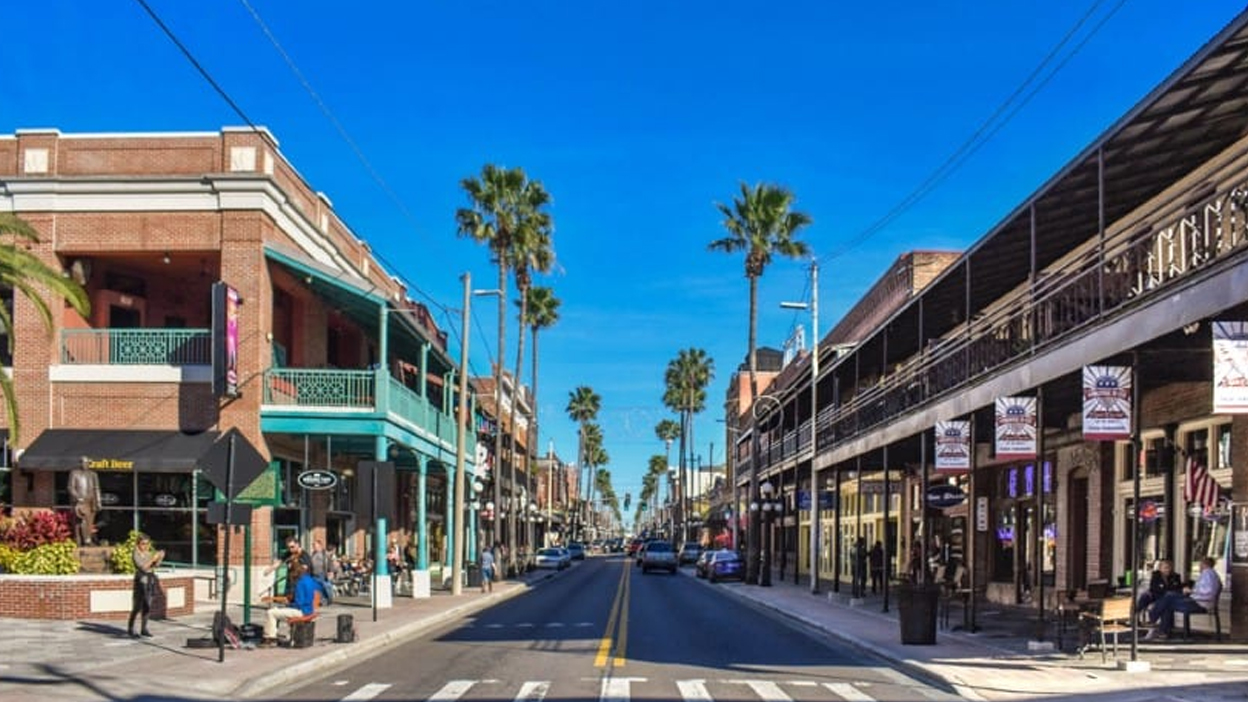
New arrivals quickly notice sensory and environmental changes in Tampa compared to their previous homes. The city moves at a quicker urban pace, with constant background noise from heavy traffic, especially on main thoroughfares such as I-275 and the Crosstown Expressway. For those from quieter or less dense areas, this shift in ambient sound can be striking.
Tampa’s climate also presents a reality check. While many expect endless sunshine, newcomers soon face intense heat combined with high humidity. The onset of hurricane season can bring sudden, severe weather events, contrasting with the stereotype of a perpetually calm sun-soaked locale.
Navigationally, Tampa encompasses sprawling suburban districts and close proximity to beaches. The physical expanse can feel disorienting at first, with wide stretches to cover and less familiar road patterns. Bridges crossing waterways, particularly near downtown, add layers of complexity to routes, often creating bottlenecks or delays that surprise those unaccustomed to them.
There are other adjustments as well. Downtown Tampa’s compact roads can feel cramped, limiting smooth traffic flow and causing unexpected congestion. Additionally, those anticipating Tampa as a low-cost option often revise this view, as both housing and everyday expenses reflect rising costs in line with the city’s growth.
Overall, the first weeks reveal Tampa’s daily rhythm as a selective and evolving urban environment. Commutes become more congested, exposing a more nuanced reality that goes beyond any pandemic-inspired popularity surges.
Adjusting to Daily Routines in Tampa
Living in Tampa means adapting to a sprawling metropolitan area where car dependency is the norm. Unlike smaller or more densely packed cities, Tampa’s neighborhoods and amenities are spread out. Errands, grocery trips, and visits to the beach often require longer drives crossing multiple districts and highways.
Some adapt swiftly, particularly those motivated by specific goals like career advancement or leveraging tax incentives. Others encounter adjustment pain points related to new traffic patterns, unexpected expenses, or climate surprises, which understandably prolong the settling-in phase.
Ultimately, the sense of belonging and comfort in Tampa depends on ongoing orientation and engagement with the city’s evolving economic and social conditions. Settling is less a milestone than a continuous, personalized process of learning and adapting.
What Helps the Transition Feel Easier When Moving to Tampa
Smoothing the transition to Tampa relies heavily on mindset and flexible approaches rather than rigid checklists. Prospective residents benefit from neighborhood scouting trips before moving, which clarify traffic flows, amenities, and overall environment firsthand.
Establishing adaptive routines early—such as prioritizing timely utility and vehicle registration, joining local groups, and attending community gatherings—helps develop a feeling of control and familiarity. Patience plays a crucial role, especially regarding budgeting for insurance, acclimating to hurricane preparedness needs, and adjusting to the city’s spatial and logistical patterns.
Embracing experiential learning rather than searching for perfect planning reduces frustration. Being open to Tampa’s density shifts, transportation nuances, and growing pains fosters smoother integration. Additionally, engaging knowledgeable local movers familiar with Tampa’s unique layout and seasonal challenges provides valuable practical support during the initial transition.
Conclusion
Recognizing that feelings of unsettledness and emotional variability are normal parts of the Tampa relocation experience is vital. These responses reflect natural acclimation to the city’s distinctive blend of growth challenges, lifestyle appeals, and environmental factors.
Experiencing ups and downs does not mean a move to Tampa has failed or was unwise. Instead, it highlights the individual, ongoing nature of adjustment in a city undergoing continuous evolution.
Maintaining a personalized pace, coupled with openness to Tampa’s shifting economic and social context, supports smoother long-term integration. Understanding what to expect when moving to Tampa prepares newcomers to navigate these transitions with greater confidence and clear-eyed realism.