
Deciding where to live in Georgia is more than picking a point on a map or scanning popular rankings. This choice is deeply personal, shaped by your lifestyle preferences, the pace you want to keep, your need for community connection, and how close you want to be to nature or cultural experiences. Understanding how to choose where to live in Georgia means stepping beyond generic “best places” lists. Instead, it involves reflecting thoughtfully on what kind of environment truly supports how you want to live.
This article offers a decision-making framework to help you evaluate where to live in Georgia based on your unique needs. Rather than prescribing specific locations, it guides you through assessing Georgia’s diverse communities and how they align with different ways of living. Whether you value urban energy, suburban ease, or rural calm, this approach encourages a thoughtful match with your values and routines.
Understanding Georgia’s Diverse Community Types
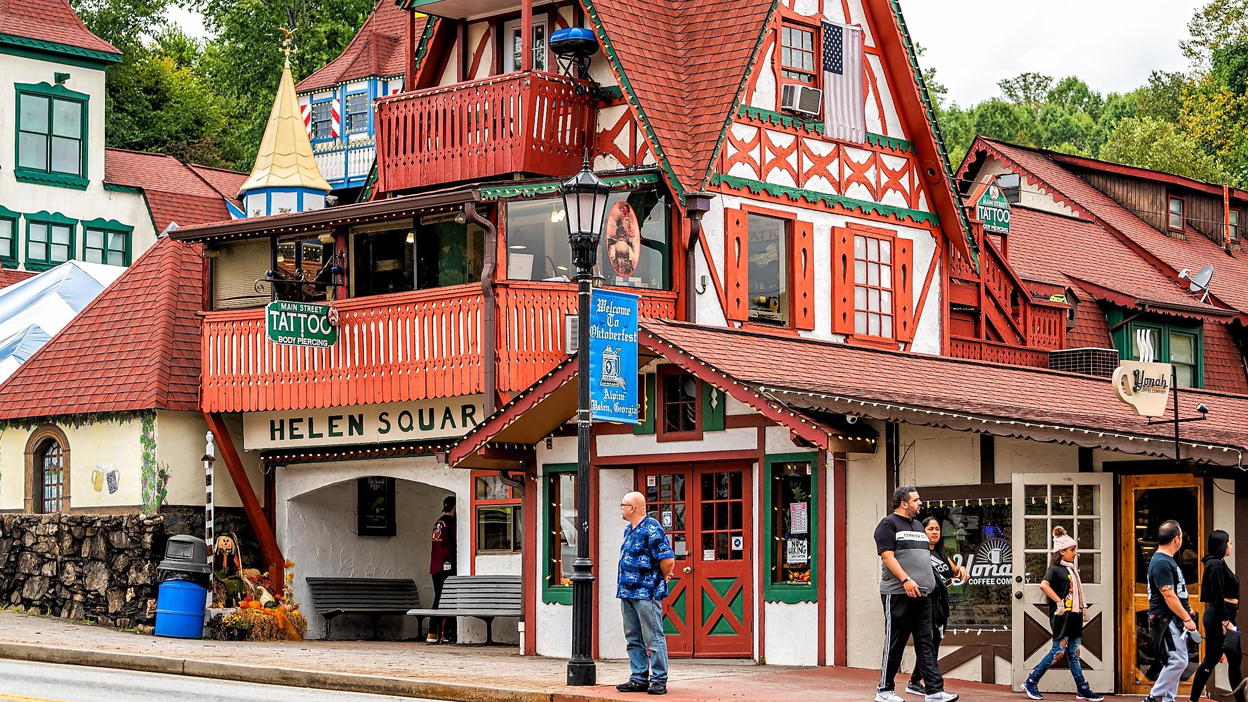
Georgia hosts a wide variety of communities, broadly ranging from bustling urban centers to relaxed rural areas, each with its own rhythm and lifestyle characteristics. Grasping these types is foundational when considering where to live in Georgia.
At one end are the urban centers like Atlanta and Savannah. These cities serve as cultural and economic hubs with dense populations, walkable neighborhoods, and a wealth of amenities such as theaters, museums, parks, and diverse dining. Life in these areas hums with activity and opportunity but often comes with compromises like traffic and smaller living spaces.
Moving outward, the suburban and small-town areas—including places surrounding Midtown Atlanta or mountain retreats like Blue Ridge—offer a blend of city comforts and access to nature. These communities combine some walkability and cultural heritage with quieter afternoons and a slower pace. However, daily life here generally involves driving for particular services and entertainment.
At the other end are rural communities scattered through Georgia’s north and south, including areas near the Okefenokee Swamp and the northern Appalachian foothills. These places emphasize natural beauty, open space, and strong neighborhood ties. Small-town charm is often coupled with revitalization efforts that bring local shops and events to life, creating a unique blend of tranquility and cultural identity. Yet, rural living tends to mean greater distances to healthcare, grocery stores, and other services, calling for different logistical considerations.
Recognizing these broad community types isn’t about ranking but understanding where your lifestyle interests might naturally align. Each setting offers distinct living conditions that will shape your day-to-day and long-term satisfaction with your chosen place.
Comparing Daily Life and Routines by Setting
The fabric of daily life differs considerably among urban, suburban, and rural Georgia, and understanding these contrasts helps clarify where you might feel most at home.
In urban communities, the pace is brisk and convenience high. Residents typically have easy access to entertainment venues, dining options, cultural events, public parks, and public transportation. However, this lifestyle comes with trade-offs such as persistent traffic congestion and limited personal space. Urban dwellers often structure their routines around dense social calendars and rely less on cars for daily errands.
Suburban and small-town living strikes a balance. People enjoy a moderate pace with a mix of cultural heritage and proximity to outdoor recreation. While these areas typically offer a more relaxed atmosphere than cities, many amenities still require a car trip, whether for groceries, schools, or social outings. Residents often tailor their schedules around driving to work or events, carving out time for community gatherings that reflect the region’s character.
In contrast, rural life tends to be slow and centered around immersion in nature and community bonds. Long drives for essentials like healthcare or shopping are common, and many routines take place at a more deliberate pace. Social events might be less frequent but carry strong local significance. This lifestyle appeals to those who prioritize quiet, open spaces, and close-knit networks but is not without its challenges of isolation and time costs.
By contrast, rural parts of Georgia foster slower social tempos and tightly-knit community bonds. People often know their neighbors well, and social events weave strong local traditions and mutual support, creating feelings of stability and safety. However, political and cultural distinctions from urban centers might present adjustment challenges for newcomers.
Suburban and small-town contexts tend to offer a hybrid social atmosphere with moderate diversity and community engagement, balancing familiarity with some transience depending on local growth.
Your comfort in these environments depends heavily on personal preferences for social interaction, ranging from valuing privacy and diversity to seeking connection and predictability. Evaluating community atmosphere through this lens helps clarify which setting aligns best with your social needs.
Weighing Short-Term Versus Long-Term Lifestyle Priorities
Your timeline for living in Georgia greatly impacts the criteria most important in your decision.
If you are moving short-term, factors such as immediate convenience, access to entertainment, or scenic surroundings might dominate. This perspective favors areas where you can quickly plug into existing amenities and social life, or explore natural beauty without deep integration.
For those considering long-term settlement, sustainability and future adaptability take center stage. Georgia’s demographic shifts, especially rural population declines and service realignments, highlight potential challenges over years or decades. Healthcare availability, education quality, economic opportunities, and community vitality become paramount considerations.
Long-range planning also involves anticipating changes in family needs, retirement access, and how well a community can support growth or change. Understanding whether a locale offers resilience and potential for sustained satisfaction helps avoid surprises and misalignments that might prompt relocation down the road.
Practical Steps to Narrow Down Location Choices in Georgia
Making a well-grounded choice about where to live in Georgia benefits from deliberate and experiential approaches that complement reflection.
Start by introspecting deeply on your preferred living pace, essential amenities, and desired social atmosphere. Writing down what qualities make you feel energized, comfortable, or supported can clarify priorities.
Next, arrange visits to a variety of community types. Spend full days in urban neighborhoods like Atlanta’s Midtown to experience transit, shopping, and recreational options. Contrast this with time in small towns such as Dahlonega, noting cultural and nature access. Explore rural communities undergoing revitalization like Bainbridge to gauge how lifestyle matches your expectations.
During these visits, test routines: try typical commutes, shop for everyday items, attend community events, and if relevant, trial remote work connectivity. Observe how seasons affect the locale and services, since climate influences lifestyle in subtle but meaningful ways.
Engage with locals openly to tap into authentic insights about community strengths and limitations. Their perspectives can illuminate nuances that don’t show up in promotional materials or data sets.
This patient, immersive process enables you to gather rich information grounded in your personal needs rather than abstract ratings, guiding you toward a profoundly informed decision.
Conclusion
Choosing a place to settle in Georgia is not about uncovering a universal “best” town or neighborhood, but finding the community that resonates with your way of life, priorities, and values. By thoughtfully considering community types, lifestyle rhythms, geographic and social factors, work realities, and affordability in a broad sense, you equip yourself to move forward with clarity and confidence.
Rather than relying on oversimplified rankings, rely on direct experience and reflection to identify the place where you can live well and feel at home. Approaching this major decision with thoughtful curiosity and patience will yield a choice that fits not just your address but your life.