
Deciding where to settle down is more than just a matter of geography or cost—it is a deeply personal choice shaped by your values, daily routines, and long-term aspirations. Rather than seeking out the “best places to live in Mississippi” according to external rankings or popularity, focusing on identifying communities that genuinely align with your unique lifestyle and practical needs will lead to greater satisfaction.
Mississippi offers diverse environments to consider: river towns skirting the great Mississippi River, coastal communities lining the Gulf of Mexico, expansive rural stretches in the Delta and pine forests, and growing suburban areas near urban centers like Jackson. When considering how to choose where to live in Mississippi, understanding the variety of these environments forms a crucial first step toward a fitting decision.
This article offers a decision-making framework designed to help you evaluate Mississippi places through the lens of lifestyle compatibility, economic realities, and social character, avoiding one-size-fits-all assumptions. The goal is to equip you with perspectives to carefully match where you live with who you are and how you want to live.
Daily Lifestyle Priorities: Navigating Urban, Suburban, and Rural Preferences

The rhythm of daily life varies significantly depending on whether you envision residing in an urban, suburban, or rural setting within Mississippi. Each presents distinctive experiences, with trade-offs that should be weighed carefully.
Urban Living in Mississippi, anchored by cities such as Jackson, tends to concentrate people, services, and cultural activities. The faster pace of urban areas means you can access offices, healthcare facilities, restaurants, and entertainment venues within a short distance. This density also fosters interactions with diverse populations and a broader variety of social activities. However, urban living often accompanies complexities like increased noise, traffic, and a more hectic environment.
Suburban Life typically lies between urban centers and rural areas, blending accessibility with calmness. Communities within suburbs generally offer quieter streets, family-oriented neighborhoods, and access to moderate commuting times to urban workplaces. School options often improve in suburban settings, and amenities balance convenience while avoiding the rush of city life. The daily pace here is moderate, with mixed social rhythms reflecting a community-focused but accessible lifestyle.
Rural Living in Mississippi invites those seeking slower rhythms and proximity to nature, including vast agricultural zones and pine forest regions. Here, neighbors often share deep-rooted connections built over generations. However, rural residents accept longer distances to specialized services, healthcare, and employment centers. Social interactions may be less varied but more intimate, reflecting tight-knit community bonds.
Comparing these settings, the essence lies in trade-offs: urban convenience versus rural tranquility, suburban balance versus more specialized amenities. Your ideal location will naturally align with the daily pace, social atmosphere, and accessibility that fit your own lifestyle priorities. Reflect on whether you prefer a more bustling environment with frequent interactions, a quiet retreat with peaceful surroundings, or something in between.
Geography and Regional Differences: Identifying Your Preferred Mississippi Landscape
Mississippi’s geographic regions distinctly shape living experiences, feeding into climate, outdoor opportunities, and community character. Recognizing these differences can clarify which environments resonate with your personal preferences.
The Delta Lowlands region features flat, expansive agricultural terrain known for rich cultural heritage. This area typically experiences marked seasonal changes — summers can be hot and humid, winters cooler — affecting how residents engage with outdoor activities and daily life. The agricultural economy colors the lifestyle here, emphasizing rhythms connected to the land.
Moving inland, the Pine Forest regions offer wooded landscapes with small towns nestled amidst nature. These areas provide opportunities for hiking, hunting, and quiet recreation while maintaining a moderate climate. Communities here tend to be smaller and quieter, providing a different feel from metropolitan or coastal settings.
Along the southern edge lies the Gulf Coast, with subtropical climates that keep winters mild and summers warm. Coastal communities benefit from beach access and tourism-driven economies, but residents also contend with seasonal hurricane risks. The coastal lifestyle blends outdoor coastal activities, a slower pace outside of tourist seasons, and vibrant local culture anchored in maritime traditions.
Short-Term Versus Long-Term Living Considerations: Planning for Change and Stability
Your time horizon for living in Mississippi significantly shapes which factors weigh heaviest in your decision.
If you anticipate a short-term stay, priorities may focus on immediate convenience, daily flexibility, and minimizing long-term commitment—such as renting or choosing a location with easy access to current work or social activities. Flexibility often trumps deep community integration or school considerations.
Those planning to settle for the long haul must approach the decision with broader lenses. Factors such as family growth, schooling quality, career progression, healthcare accessibility, and aging needs come into focus. Social integration and community stability gain importance alongside economic sustainability.
Moreover, your lifestyle and priorities are likely to evolve over time. Young professionals might initially prioritize urban access and career networks but later seek suburban schools or rural tranquility. Planning for adaptability in your chosen location—considering whether the community can support these changing needs—is as important as initial appeal.
Consider reversibility in your approach: renting before buying, testing commutes, or exploring community engagement can reduce the risks inherent in long-term decisions. Given Mississippi’s generally affordable housing market, experimenting with different living settings is often financially feasible.
Ultimately, your choice should embrace both current realities and anticipated life transitions, ensuring that where you live grows with you rather than constrains you.
Practical Ways to Narrow Down Your Options: A Thoughtful, Stepwise Approach
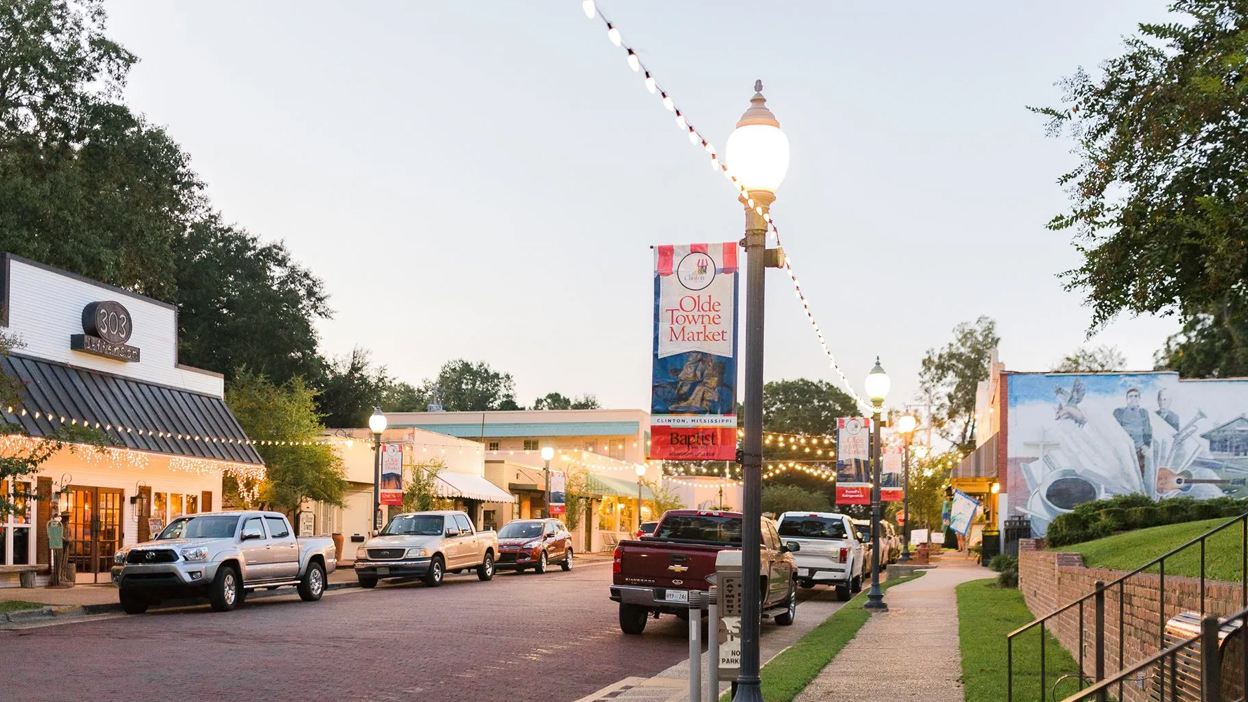
With so many variables in play, structuring your decision-making process helps clarify priorities and prevent overwhelming uncertainty.
Begin with self-assessment. Reflect systematically on your lifestyle priorities: do you gravitate toward urban vibrancy, suburban balance, or rural calm? Assess work requirements including employment location, remote work feasibility, and maximum comfortable commute. Analyze your social preferences regarding community size and diversity. Budget realistically, embracing the full scope of living expenses, not just housing cost. Project your life goals over the next decade to accommodate expected changes.
Next, undertake experiential exploration of potential communities. Site visits during different days and times offer invaluable insight into true day-to-day experience. Observing how neighborhoods function, visiting local gathering spots, testing commute times, and speaking candidly with residents reveal nuances data alone cannot convey. Engaging with current inhabitants often uncovers unspoken benefits or challenges unique to a place.
Allow sufficient time for reflection between visits. Emotional reactions combined with practical assessments help distill preferences. Testing commutes several times under varied conditions and spending time at local schools, parks, or community events improves confidence in your evaluation.
Balancing these steps with patience guards against rushed, regrettable choices. This structured, hands-on approach to selecting where to live in Mississippi fosters a grounded, personalized decision, prioritizing genuine lifestyle fit and sustainable satisfaction.
Conclusion
Mississippi’s diverse geography and culture resist simple rankings or definitive “best places to live”. Instead, the optimal location emerges from alignment between your personal rhythms, economic realities, and social preferences. No single community suits everyone, but thoughtful exploration reveals the right fit for you.
By concentrating on matching lifestyle patterns—urban or rural pace, family dynamics, work demands—with regional nuances and social atmospheres, you transform the question from Where should I live?
into Where do I truly belong?
The state’s variety—from the Gulf Coast’s subtropical charm to the Delta’s agricultural heritage and the expanding suburban networks near Jackson—provides fertile ground for this authentic match.
Approach this choice as an ongoing journey rather than a one-off decision. Openness, patience, and honest self-reflection will guide you through initial settlement toward a place you can call home with confidence.
Your community in Mississippi awaits not because it is deemed best on a list, but because it resonates with your life’s unique composition—an honest, considered alignment rather than an abstract ideal.