Deciding where to live in Vermont is deeply personal. It goes far beyond popular rankings or headline grabbers about the best places to live in Vermont. Instead, it starts with reflecting on your own lifestyle preferences, values, and daily rhythms. How to choose where to live in Vermont depends on how well a place matches your routines, priorities, and what you want your environment to support. Whether you lean toward a quiet rural town, a suburban community that blends country and city life, or the more active urban center of Burlington, understanding what each setting offers—and what trade-offs they entail—is essential.
Vermont’s population largely resides in charming rural towns, which make up nearly two-thirds of the state’s inhabitants. Smaller suburban areas provide a bridge between Vermont’s bucolic roots and modern conveniences, while Burlington pulses with urban energy within a smaller setting. These different environments don’t form a hierarchy of desirability but instead represent distinct ways of living suited to varied needs. This guide explores those differences and offers a thoughtful framework for evaluating where to live in Vermont based on lifestyle fit, not mere popularity.
Daily Lifestyle Priorities: Urban, Suburban, and Rural Living in Vermont
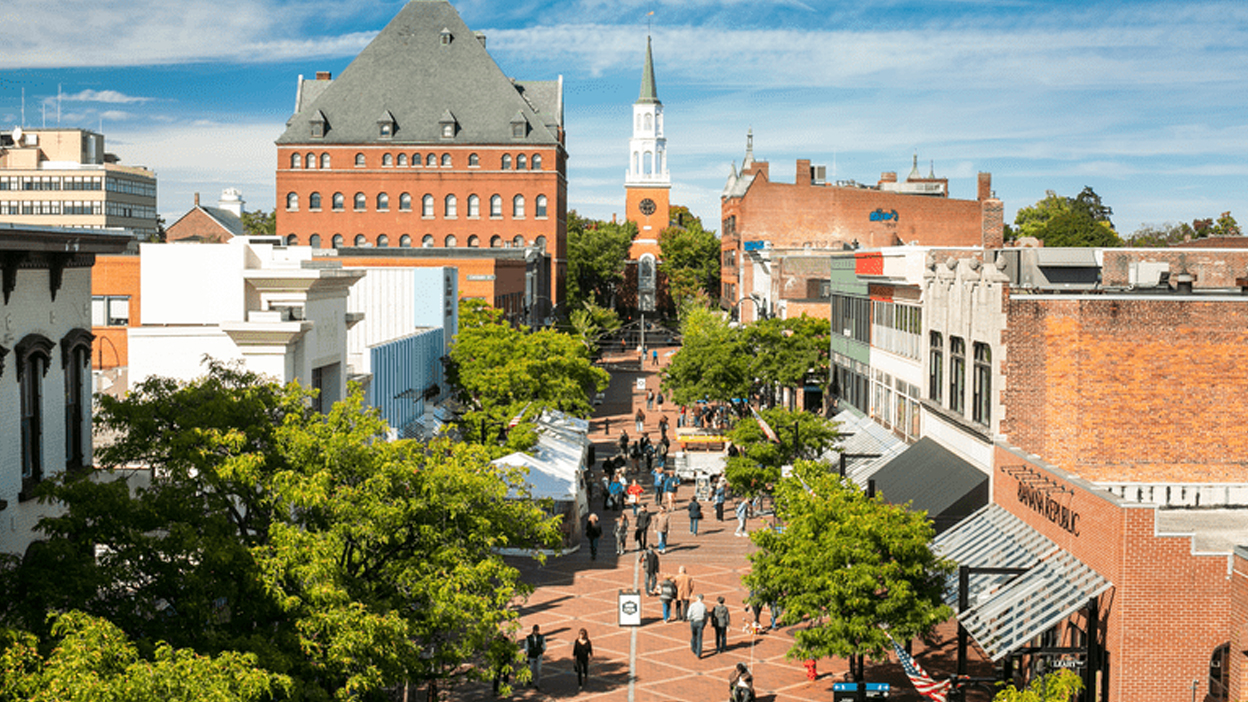
The fabric of everyday life in Vermont threads differently depending on your living environment. In urban areas like Burlington, you’ll find easier access to shops, cultural events, and public services. This fosters more dynamic social interactions and convenient rhythms, where errands can be combined with entertainment, and community engagement often involves diverse activities. Public transportation, though limited compared to larger metropolitan areas, and walkable neighborhoods support a lifestyle rich in spontaneous social opportunities.
Conversely, rural Vermont life centers around self-sufficiency and strong neighborly bonds. Here, practical realities such as livestock ownership, home gardening, and reliance on close-knit community structures shape day-to-day living. Farmers’ markets not only provide fresh produce but also act as social hubs, reinforcing mutual aid and local traditions. The rural pace prioritizes tranquility and outdoor recreation—trails, forests, and open fields define many residents’ routine landscape. However, this serenity comes with trade-offs: longer drives are typical for accessing amenities, emergency services may be farther away, and the Vermont cost of living includes higher transportation and heating expenses due to larger distances and older housing stock.
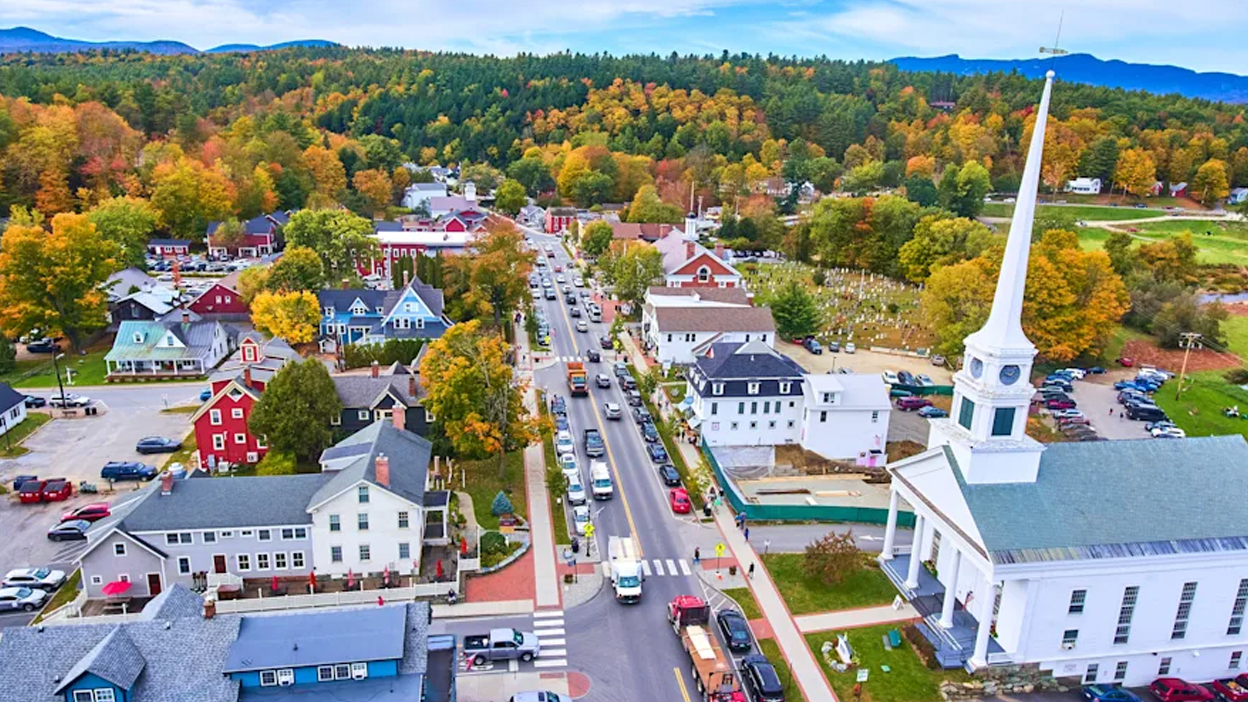
Suburban communities in Vermont offer a middle ground. They balance the convenience of proximity to amenities and some urban features with the calming elements of rural life. Importantly, Vermont’s overall rural character means that even in suburbs, green space and a sense of community are rarely far from reach. This blending appeals to those seeking access without the full bustle of an urban environment.
When weighing where to live in Vermont, consider how the rhythms of urban convenience compare with rural peace. While cities might offer more services close at hand, they also contend with challenges such as a higher poverty rate and more social disparities. Meanwhile, rural areas, while offering strong community roots, may carry risks of social isolation and logistical complications, especially for those who value frequent, effortless access to urban amenities.
Geography and Regional Differences Within Vermont
Vermont’s geography is as varied as its residents’ preferences for lifestyle. Its landscape stretches from mountainous regions to river valleys, each influencing living experiences and recreational opportunities differently. Hiking, skiing, and year-round outdoor activities attract people to areas where nature’s proximity is palpable. Whether you’re drawn to mountain vistas or fertile valley farmland, the natural environment shapes both leisure and daily routines.
Urban neighborhoods, particularly in Burlington, introduce more social diversity and vibrancy. Such environments can invigorate through cultural activities, eclectic neighborhoods, and dynamic social scenes. However, they may feel less intimate, influenced by wider economic disparities and a mix of transient populations.
When deciding where to live in Vermont, consider which type of social environment aligns with your needs. Reflect on whether a close-knit community or broader diversity delivers the support or stimulation you seek, and how this choice impacts your daily sense of belonging.
Considering Short-Term and Long-Term Living Plans in Vermont
Your intended length of residence shapes how you approach Vermont’s options. Short-term living may prioritize access to urban amenities, healthcare, and cultural events that support adaptability and convenience. For shorter stays, proximity to services and flexible social opportunities can ease transitions and enhance quality of life.
Long-term plans often emphasize integration in stable communities that align with evolving life stages, such as family growth or health considerations. Rural or suburban locations may offer continuity of social networks, land opportunities, and lifestyle stability attractive for such horizons. It’s also important to recognize rural health disparities, including lower life expectancies in some areas, that may affect long-term well-being.
The growth of remote work enables experimenting with rural living before a permanent commitment. This flexibility can make Vermont’s diverse settings more accessible to a wider range of residents, unfolding gradual adjustment rather than a firm leap.
Financial planning over time demands weighing Vermont cost of living factors carefully, acknowledging how they evolve with life circumstances and economic fluctuations.
Practical Steps to Narrow Down Where to Live in Vermont
Finding your best fit in Vermont starts with honest self-assessment. Rank what matters most—whether it is peaceful surroundings versus ready access to shops, strong community ties versus career opportunities, or rural self-sufficiency balanced against urban services. This reflective process clarifies priorities, helping avoid compromises that may breed dissatisfaction.
Experience is another essential teacher. Visit a range of communities—walk the streets of Burlington, explore suburban neighborhoods, and spend time in rural towns. Observe daily rhythms, local culture, and seasonal conditions, especially winter challenges that affect mobility and social interaction. Feeling the environment firsthand reveals subtleties that data alone cannot.
Finally, resist rushing your decision. Vermont’s particular rural-urban blend demands careful consideration and patience. Allow time to weigh Vermont cost of living implications and community traits calmly. This approach nurtures informed choices that support your lifestyle sustainably and with purpose.
Conclusion
Choosing where to live in Vermont is inherently complex and personalized. No single place can serve as a universal answer. Instead, success arises from understanding which lifestyle elements hold the most meaning for you—whether that’s deep community connections, a balance of nature and convenience, or economic practicality.
Approach this decision with calm intention. Recognize it as an evolving journey rather than a fixed endpoint. Ultimately, the right environment will sustain your daily rhythms and future aspirations, making Vermont more than a place on a map, but a home aligned with who you are.