
Texas continues to attract new residents from across the country, fueled by its dynamic economy, diverse culture, and varied urban environments. With over 473,000 new residents moving into the state in 2023 alone, the search for the best cities to live in Texas reflects a widespread desire to find the ideal mix of opportunity, community, and lifestyle. This article strictly explores officially incorporated cities in Texas, focusing on general living considerations that shape overall quality of life. Whether you are moving to Texas for work, family, or a fresh start, understanding the unique offerings of each city is crucial to making an informed decision about your new home.
Living in Texas cities spans from sprawling metros to smaller yet vibrant urban centers. Population growth shapes everything—from the job market to housing options and cultural amenities. This guide offers detailed insights into what makes Texas cities stand out for residents seeking long-term satisfaction, career growth, and quality community life.
Why Choosing the Right City to Live in Texas Matters
Texas encompasses a remarkable range of cities, each with its own character and lifestyle options. From dynamic cultural hubs resonating with arts and innovation to suburban cities offering family-friendly neighborhoods and easy commutes, the state’s urban diversity is vast.
When selecting among the best cities to live in Texas, considering multiple dimensions of life is essential. Community feel forms the social foundation, where neighborliness and local events create a sense of belonging. Economic opportunities are critical, with cities offering different industry focuses and career paths. Education quality impacts families profoundly, affecting future prospects for children. The climate—mild and warm but variable—also influences outdoor lifestyles and seasonal comfort.
Cultural amenities such as parks, festivals, museums, and restaurants turn cities into places worth living, making day-to-day life enriching. These elements collectively determine a city’s unique identity and affect long-term life satisfaction, career trajectory, and the well-being of families and individuals. Thoughtful selection based on these lived experiences ensures moving to Texas becomes a positive and sustainable choice.
Criteria Used to Select the Best Cities in Texas
This guide relies exclusively on legally incorporated cities in Texas. We exclude towns, suburbs not separately incorporated, census-designated places, or unincorporated communities to maintain clarity and accuracy in classification.
Cities listed here excel according to holistic evaluations reflecting:
- Quality of Life: Friendly community vibe, availability of amenities, and qualitative safety considerations.
- Employment and Economic Vitality: Access to diverse job markets, presence of major industries, and sustained economic health.
- Education: Reputation and quality of public school districts and proximity to higher education institutions.
- Weather and Climate: Mild to warm climate suitable for comfortable year-round living.
- Local Culture and Amenities: Access to parks, cultural events, recreational opportunities, and vibrant urban spaces.
This comprehensive approach moves beyond singular factors like just housing affordability or safety metrics. Instead, it captures the everyday living realities that make these cities truly some of the best cities to live in Texas.
1. Pearland
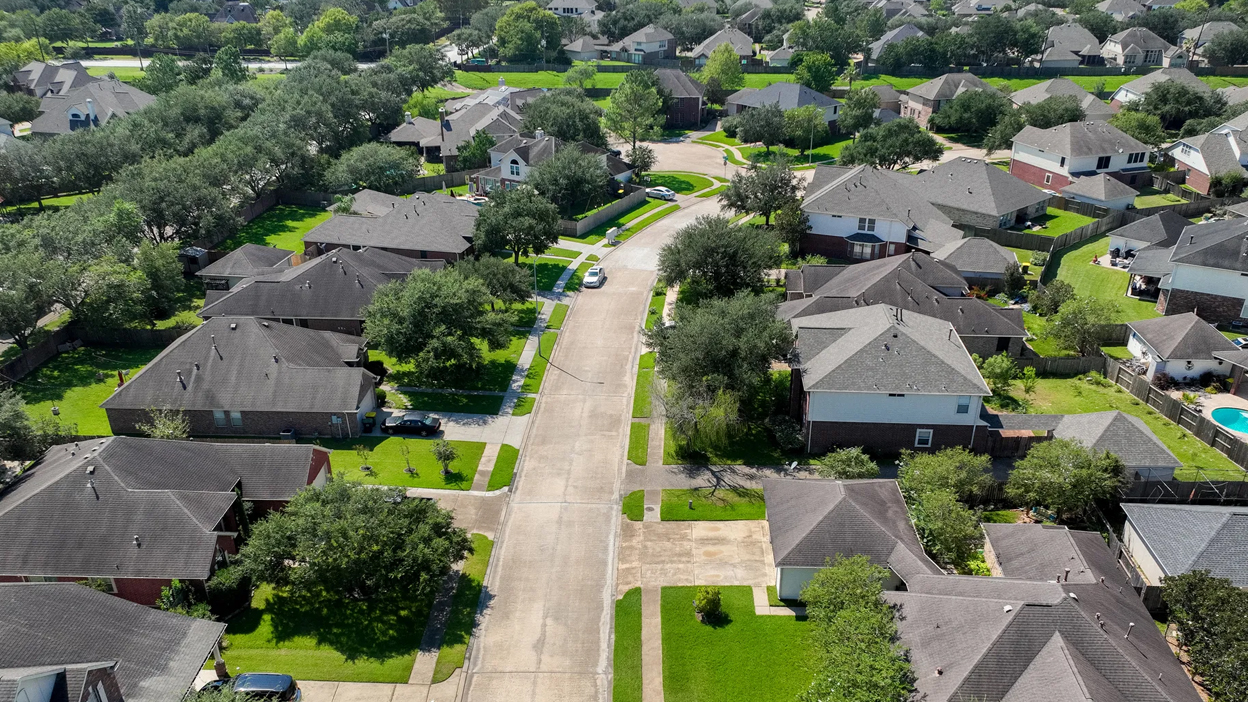
Pearland is an incorporated city located in Brazoria County, just south of Houston. It balances a suburban character with proximity to one of Texas’s largest metros, making it an attractive option for those seeking access to urban jobs and suburban lifestyles alike. Pearland offers a hospitable community feel with local cultural events, parks, and family-oriented neighborhoods. Keywords naturally fit here as Pearland features prominently among the best cities to live in Texas and exemplifies positive living in Texas cities.
- Population: ~129,000
- Median Home Price: ~$350,000
- Median Rent: ~$1,800 for a standard two-bedroom unit
- Median Household Income: ~$115,000
- Community and Opportunities: Pearland is known for its welcoming, family-focused community with well-kept parks, active local festivals, and cultural activities that foster neighborhood ties. Economically, it benefits from Houston’s energy and healthcare sectors, with employment opportunities expanding in both sectors. The city’s growing commercial areas support a balanced lifestyle where suburban calm meets metropolitan convenience. Pearland’s inclusion in Texas city rankings owes to its blend of affordability, access to amenities, community vibrancy, and economic opportunities.
- Local Weather and Climate: The city experiences a mild subtropical climate with warm summers and mild winters. Its relatively moderate humidity compared to coastal cities provides a comfortable environment year-round, aligning well with typical Texan lifestyles.
- Economy and Jobs: Pearland’s economy thrives on energy, manufacturing, healthcare, and service sectors. Many residents commute to Houston jobs, facilitated by accessible highways and public transportation options. Employment vitality is strong without overly competitive housing pressures relative to larger metro areas.
- Educational Opportunities: Pearland hosts excellent public schools and benefits from proximity to the University of Houston, offering residents opportunities for quality education from K–12 through higher learning.
- Ideal For: Families and young professionals seeking a suburban lifestyle with city access, good schools, and strong economic prospects.
- Known For: Holding top rankings among Texas cities for livability in 2025-2026, Pearland is prized for combining growth, affordability, and family-friendly appeal.
Pearland’s strategic location, robust economy, and strong community fabric make it a leading contender among the best cities to live in Texas.
2. League City
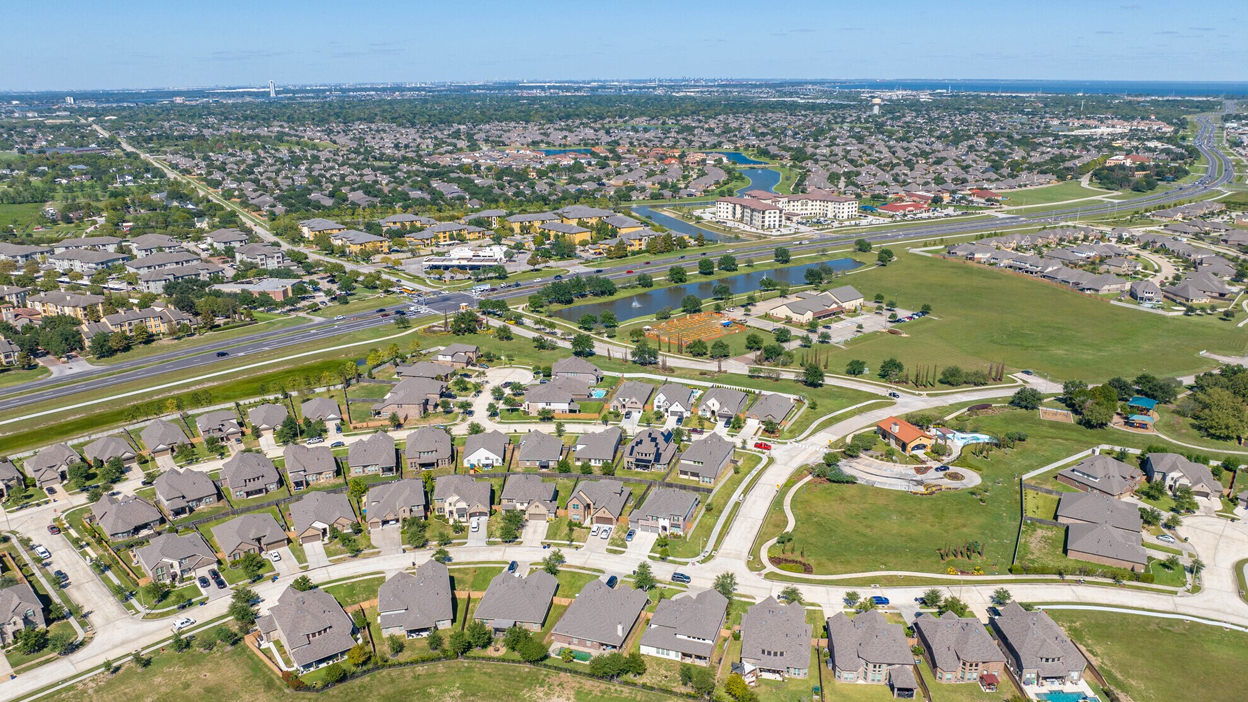
Located in Galveston County, southeast of Houston, League City is an incorporated city that offers a relaxed coastal-suburban blend. Its waterfront access and green spaces provide a unique lifestyle balance as part of the greater Houston metro area. League City naturally appears in discussions about the best cities to live in Texas due to its recreation and livability draws.
8. McKinney
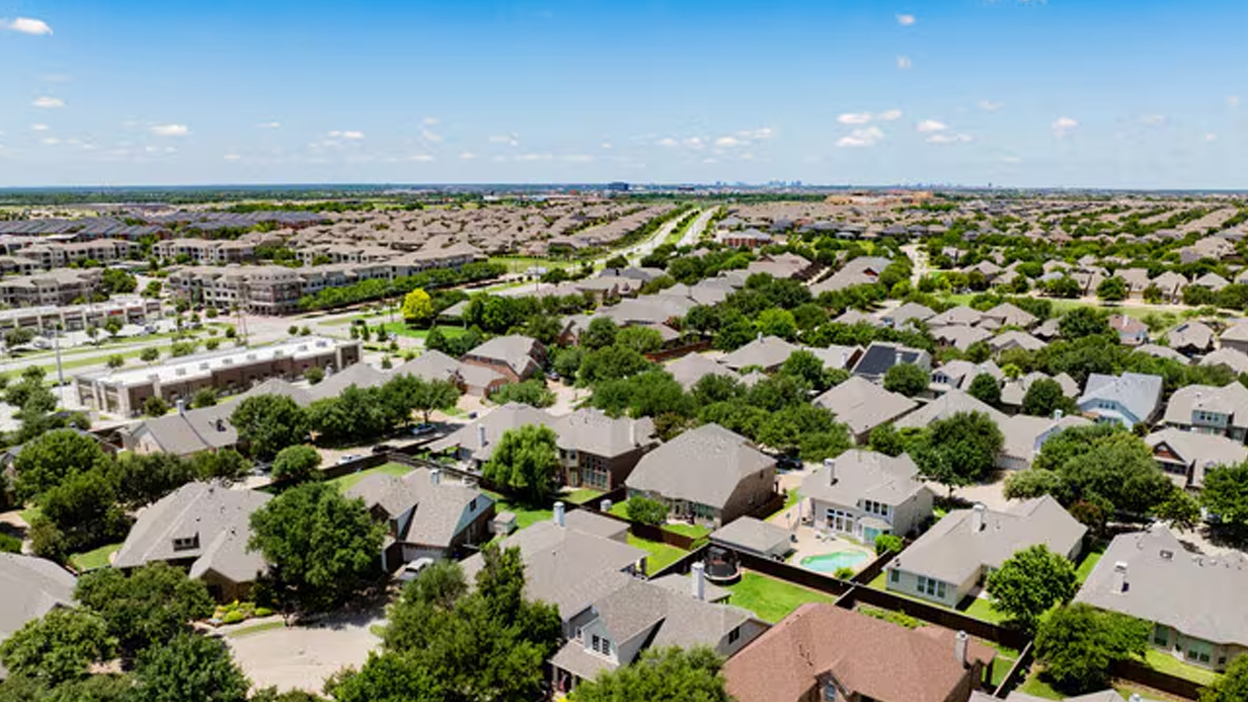
McKinney is an incorporated city in Collin County north of Dallas, renowned for historic charm paired with modern growth.
- Population: ~210,000
- Median Home Price: ~$500,000
- Median Rent: ~$2,000
- Median Household Income: ~$110,000
- Community and Opportunities: McKinney features a picturesque historic downtown complemented by new amenities, attracting families seeking both tradition and convenience.
- Local Weather and Climate: Typical North Texas temperate climate encourages outdoor enjoyment throughout much of the year.
- Economy and Jobs: Expanding sectors in healthcare and retail support a healthy local economy.
- Educational Opportunities: McKinney ISD receives positive reviews for academic accomplishments.
- Ideal For: Families valuing small-city character with urban access.
- Known For: Historic square and easy access to Dallas-Fort Worth metro.
McKinney’s blend of Texas heritage and modern planning ranks it high among the best cities to live in Texas.
9. San Antonio
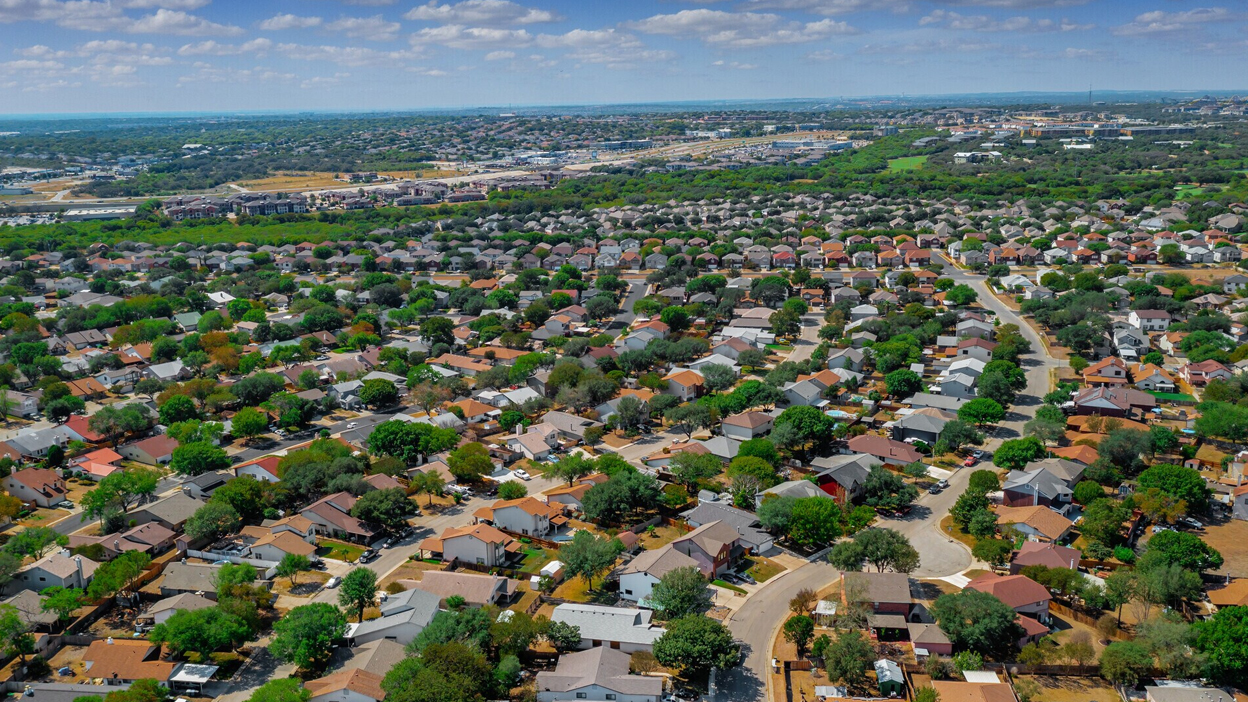
San Antonio is a major incorporated city in Bexar County and one of Texas’s largest metro centers. It’s culturally rich and economically diverse.
- Population: ~1.5 million
- Median Home Price: ~$300,000
- Median Rent: ~$1,400
- Median Household Income: ~$60,000
- Community and Opportunities: San Antonio boasts a unique cultural tapestry with the iconic River Walk, diverse neighborhoods, and a blend of historic and modern life. It offers expansive cultural amenities suitable for all ages and interests.
- Local Weather and Climate: The climate is mild and semi-arid with warm summers, supporting active outdoor lifestyles with manageable seasonal extremes.
- Economy and Jobs: Leading sectors include military, healthcare, tourism, and growing tech industries, creating diverse job options.
- Educational Opportunities: Hosts the University of Texas at San Antonio (UTSA) and many reputable public schools serving a broad population.
- Ideal For: Families, history lovers, and individuals seeking a culturally rich urban experience.
- Known For: Historic sites like the Alamo, festivals, and Texan cuisine.
San Antonio’s cultural depth, affordability, and urban vibrancy make it a defining choice among the best cities to live in Texas.
10. Austin
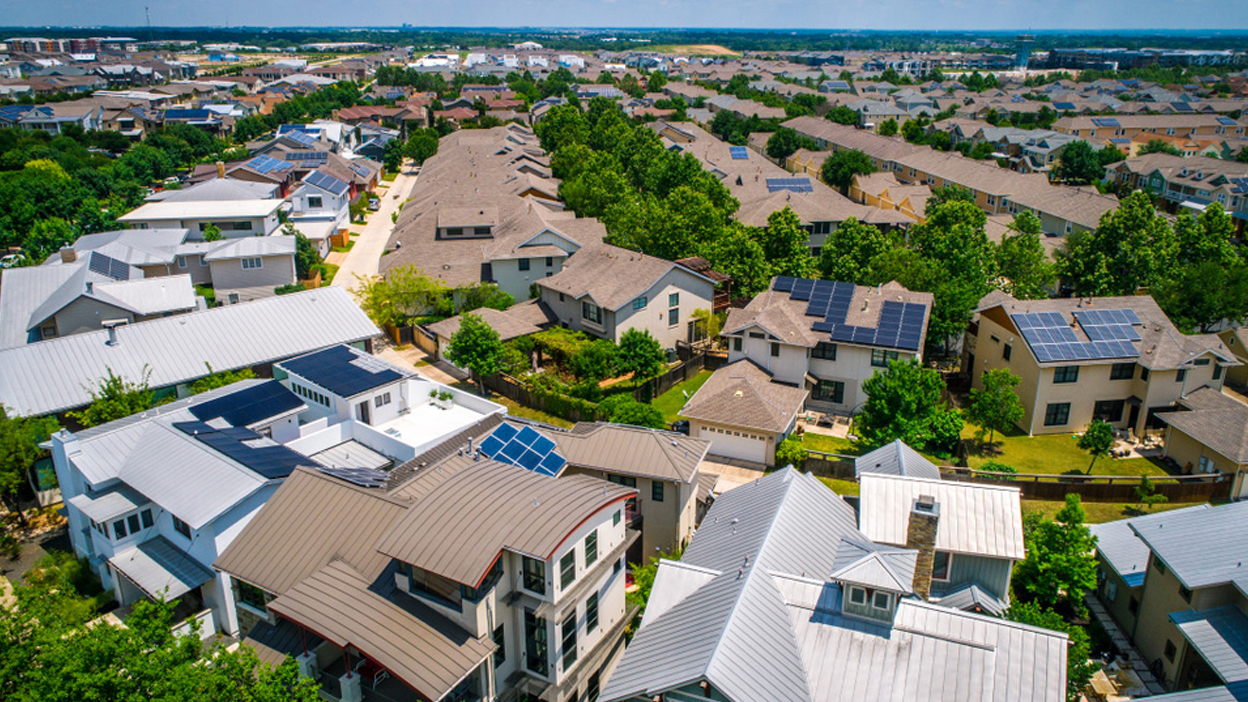
Austin is Texas’s capital city in Travis County and a well-recognized metropolitan hub. It blends governmental functions with a thriving cultural and technology scene.
- Population: ~1 million
- Median Home Price: ~$600,000
- Median Rent: ~$2,200
- Median Household Income: ~$80,000
- Community and Opportunities: Austin’s community is vibrant and diverse, known for its music, food culture, and tech innovation. It is a magnet for creative professionals and offers a progressive urban environment with extensive cultural programs.
- Local Weather and Climate: Featuring a humid subtropical climate, Austin enjoys hot summers tempered by its hilly terrain and mild winters.
- Economy and Jobs: Driven by tech, education, government, and innovation sectors, Austin offers abundant employment options with major firm headquarters and startups.
- Educational Opportunities: Home to the University of Texas at Austin and top-rated public schools surrounding the city.
- Ideal For: Young professionals, creatives, and those seeking an urban yet relaxed Texan lifestyle.
- Known For: Live music capital, SXSW festival, tech industry growth.
Austin epitomizes the dynamic urban lifestyle Texans seek, cementing its role as one of the best cities to live in Texas.
Frequently Asked Questions
What makes a Texas city one of the best places to live?
The best Texas cities combine quality-of-life elements such as strong employment opportunities, excellent education systems, a welcoming community feel, and accessible cultural and recreational amenities, all within incorporated city limits.
How do Texas city rankings usually measure livability?
Rankings often consider employment diversity, income levels, housing affordability, educational quality, and quality-of-life perceptions from residents, with sources like U.S. News and Niche providing comprehensive evaluations.
What should newcomers consider before moving to Texas cities?
New residents should evaluate community atmosphere, commute times, climate suitability, and personal lifestyle priorities such as family needs or career opportunities to find the best city fit.
Are Texas cities affordable to live in compared to other states?
Many Texas cities offer relatively affordable housing combined with a no state income tax advantage, providing good value, particularly in suburbs outside the largest metros.
Which Texas city is best for families, careers, or retirement?
Families often prefer Pearland and Plano; career-driven professionals gravitate toward Frisco and Round Rock; retirees find The Woodlands and Austin appealing due to amenities and lifestyle variety.
Conclusion
Choosing the right city among the best cities to live in Texas requires verifying the city’s incorporated status and assessing multiple factors that define overall living quality. Economy, education, community dynamics, climate, and cultural access together shape meaningful day-to-day experience.
Texas’s incorporated cities offer a diverse spectrum of options, from historic urban centers to fast-growing suburban hubs. Aligning one’s personal priorities with these verified, multifaceted insights is key to thriving in Texas’s increasingly dynamic urban landscape.
Potential movers are encouraged to research these cities in depth, focusing on lifestyle fit to maximize satisfaction in this vibrant and rapidly evolving state.