
When searching for the best places to live for quality of life in the US, it’s essential to look beyond just affordable housing or job prospects. Quality of life means more—it refers to the overall well-being and happiness of individuals and communities. This guide explores cities with best quality of life and highlights key factors such as safety, economy, education, healthcare, environment, and social amenities that influence everyday living.
By the end, you’ll understand why these us cities with high livability are considered the top destinations for those seeking happiness, health, and fulfillment.
What Is Quality of Life and Why It Matters When Choosing Where to Live
Quality of life describes the general well-being of individuals and societies. It includes physical health, education, environmental quality, safety, and access to recreation and leisure. According to the AARP Livability Index, quality of life covers many areas that directly affect how satisfied and happy people feel in their daily lives.
Why is quality of life so important? Where you live impacts your physical health, mental well-being, and overall life satisfaction. Choosing one of the best places to live for quality of life means you’re selecting a city that supports your happiness and fosters long-term fulfillment. Whether it’s a safe neighborhood, good schools, or access to green spaces, these factors shape your daily experience and future contentment.
Reasons Why You Need to Consider Quality of Life When Choosing Where to Live
Choosing the right city affects much more than your address; it influences your health, happiness, and future. Understanding what to expect when moving to a new city can help you anticipate lifestyle changes and plan for a smooth transition. Data from the U.S. Census Bureau helps illuminate demographic trends that impact the livability and growth potential of these cities.
Quality of Life Impacts Physical and Mental Health
Cities with clean air, ample green spaces, and walkable neighborhoods significantly improve physical health and reduce stress. Urban environments that limit pollution and provide natural settings reduce anxiety and depression symptoms, underscoring why these features dominate rankings of the best places to live for quality of life. For more on pedestrian-friendly cities enhancing wellbeing, see this guide on 10 Most Walkable Cities in the US . Exploring the 10 Most Walkable Cities in the US offers further insight into how walkability enhances well-being and sustainability in urban life.
Work-Life Balance Encourages Overall Happiness
A balanced lifestyle requires cities that offer easy commutes, flexible work opportunities, and lifestyle amenities. Cities known for best lifestyle cities USA rankings provide recreational amenities like gyms, cultural events, and dining options that help residents unwind outside work hours. The importance of manageable daily routines and availability of amenities ensures residents can enjoy both career success and personal fulfillment.
Access to Educational and Career Opportunities
Strong educational institutions and vibrant job markets are essential in cities with high livability. Such access fosters growth for families and professionals alike, making these areas desirable to newcomers seeking both personal and financial advancement. To explore more cities focused on strong education and economic opportunity, check out 10 Best Places to Live in the US. To gain a broader perspective on cities that balance economic growth with quality educational opportunities, our 10 Best Places to Live in the US guide provides comprehensive analysis.
Community Engagement Enhances Social Satisfaction
Belonging to an inclusive community improves mental and emotional health. Cities with active civic organizations, volunteer opportunities, and diverse social networks create environments rich in community spirit. The AARP Livability Index also highlights how inclusivity and engagement correlate with greater cities with life satisfaction, making community involvement a critical factor in choosing where to live. Assessing whether a location is a good place to live requires evaluating factors such as the local culture, amenities, and services that support daily life.
High Life Satisfaction Boosts Emotional Well-being
Ultimately, cities with high life satisfaction rates offer residents higher happiness levels and emotional well-being. Living in these top-ranked places means daily experiences that foster joy, fulfillment, and purpose.
Criteria for Choosing the Best Places to Live for Quality of Life
Ranking the best places to live for quality of life requires combining many measurable and qualitative factors. Here’s what to assess when evaluating cities with best quality of life and us cities with high livability.
- Livability Metrics: Safety, Affordability, Infrastructure, and Healthcare: The foundation of quality living begins with safety: low crime rates and secure neighborhoods are crucial. Additionally, cost of living affects affordability; cities must offer reasonable housing and everyday expenses to be considered top contenders. Robust infrastructure ensures reliable transportation, utilities, and city services, while accessible, quality healthcare supports residents’ well-being. Housing market trends and affordability indexes from Zillow provide valuable context for understanding the financial implications of moving to these cities. For a detailed look at the safest cities and suburbs contributing to livability, visit 10 Safest Cities to Live in the US and 10 Safest Suburbs to Live in the US. For a closer look at how affordability correlates with quality of life, reviewing the 10 Most Affordable Cities to Live in the US can be quite enlightening.
- Economic Opportunities and Income Levels: Strong, diverse local economies with vibrant job markets provide financial stability and growth. Median household income levels offer insight into economic health and residents’ prosperity. Cities that balance opportunity with livability are prime choices for families and professionals, as reflected in calls for the best lifestyle cities USA.
- Housing Market Conditions: Affordability and Accessibility: Median home prices and rental rates determine how affordable a city is for newcomers. A city might have excellent amenities but remains out of reach if housing costs are prohibitive. For options prioritizing affordability alongside quality of life, check 10 Most Affordable Cities to Live in the US
- Educational Opportunities Schools and Beyond: High-quality education—from elementary to university level—can attract families and contribute to a city’s economic vitality. Availability of reputable schools, vocational programs, and institutions of higher learning supports lifelong learning and community development.
- Environment and Climate: The natural environment and weather significantly influence lifestyle choices. Cities with clean air, green parks, and favorable climates encourage outdoor activities and healthier living. Seasonal weather variations can also impact recreational opportunities and residents’ comfort.
- Social and Cultural Amenities:A vibrant social scene contributes to a city’s livability. Cultural events, parks, art galleries, and recreational facilities enrich life and promote interaction. Cities with rich social infrastructure foster belonging and active lifestyles.
- Measuring Life Satisfaction and Happiness Indexes: Tools like the AARP Livability Index evaluate life satisfaction and overall happiness as part of their rankings. These subjective measures consider how residents feel about their quality of life, complementing objective data to provide a full picture of city livability.
These criteria collectively shape the profiles of the 10 best places to live for quality of life in the US, reflecting why these cities consistently top national charts.
7. Minneapolis, Minnesota
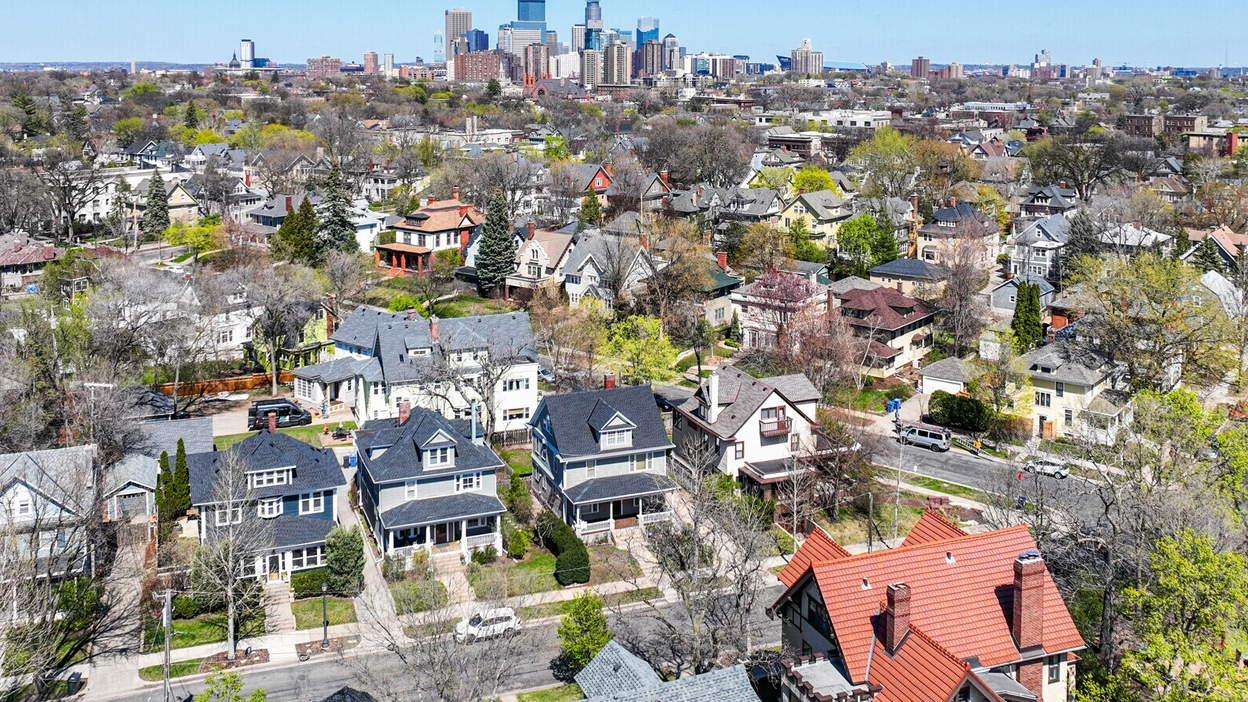
Minneapolis offers a unique blend of urban charm and natural beauty, known for its parks, progressive values, and high-quality amenities.
- Population: ~430,000
- Median Home Price: ~$350,000
- Median Rent: ~$1,400/month
- Median Household Income: ~$68,000
- Local Weather and Climate: Cold, snowy winters and pleasant summers with outdoor activities
- Economy and Jobs: Strong in healthcare, finance, and manufacturing
- Educational Opportunities: Home to excellent schools and universities
- Ideal For: Professionals, families, outdoor lovers
- Known For: Chain of Lakes, public art, and medical facilities
Minneapolis balances affordability, nature, and career prospects—earning high marks for quality living.
8. Seattle, Washington
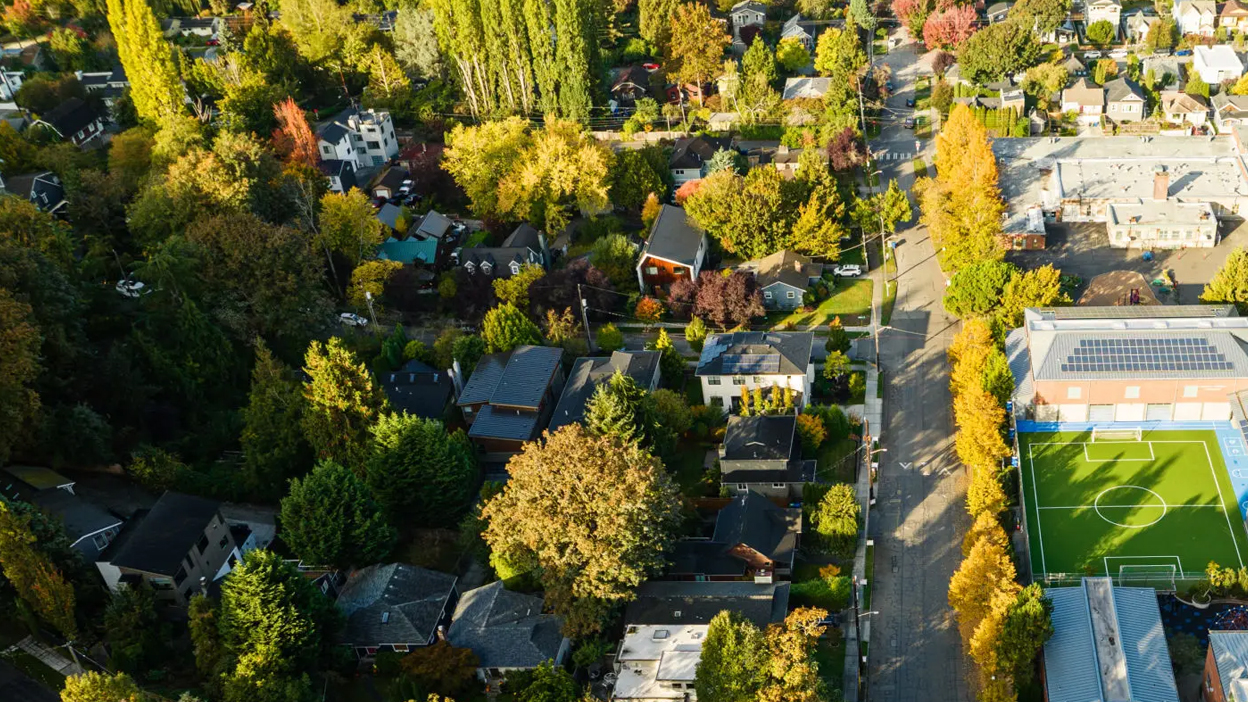
Seattle boasts a world-renowned tech industry alongside beautiful coastal and mountainous landscapes, offering both opportunity and adventure.
- Population: ~750,000
- Median Home Price: ~$820,000
- Median Rent: ~$2,200/month
- Median Household Income: ~$90,000
- Local Weather and Climate: Wet winters and cool summers; mild year-round
- Economy and Jobs: Thrives in tech, aerospace, and global trade
- Educational Opportunities: University of Washington and strong public schools
- Ideal For: Tech workers, creatives, families
- Known For: Puget Sound, Space Needle, and sustainability focus
Seattle’s economic power and natural setting make it a leading U.S. city for a rewarding lifestyle.
9. Charlotte, North Carolina

Charlotte pairs Southern charm with urban growth, offering strong infrastructure and career opportunities in a welcoming setting.
- Population: ~900,000
- Median Home Price: ~$350,000
- Median Rent: ~$1,300/month
- Median Household Income: ~$65,000
- Local Weather and Climate: Mild winters and hot, humid summers
- Economy and Jobs: Major hub for banking, tech, and energy
- Educational Opportunities: Solid school options and access to major universities
- Ideal For: Families, professionals, first-time homeowners
- Known For: Pro sports, greenways, festivals
Charlotte’s economic diversity and livability make it a fast-rising city in the Southeast.
10. San Diego, California
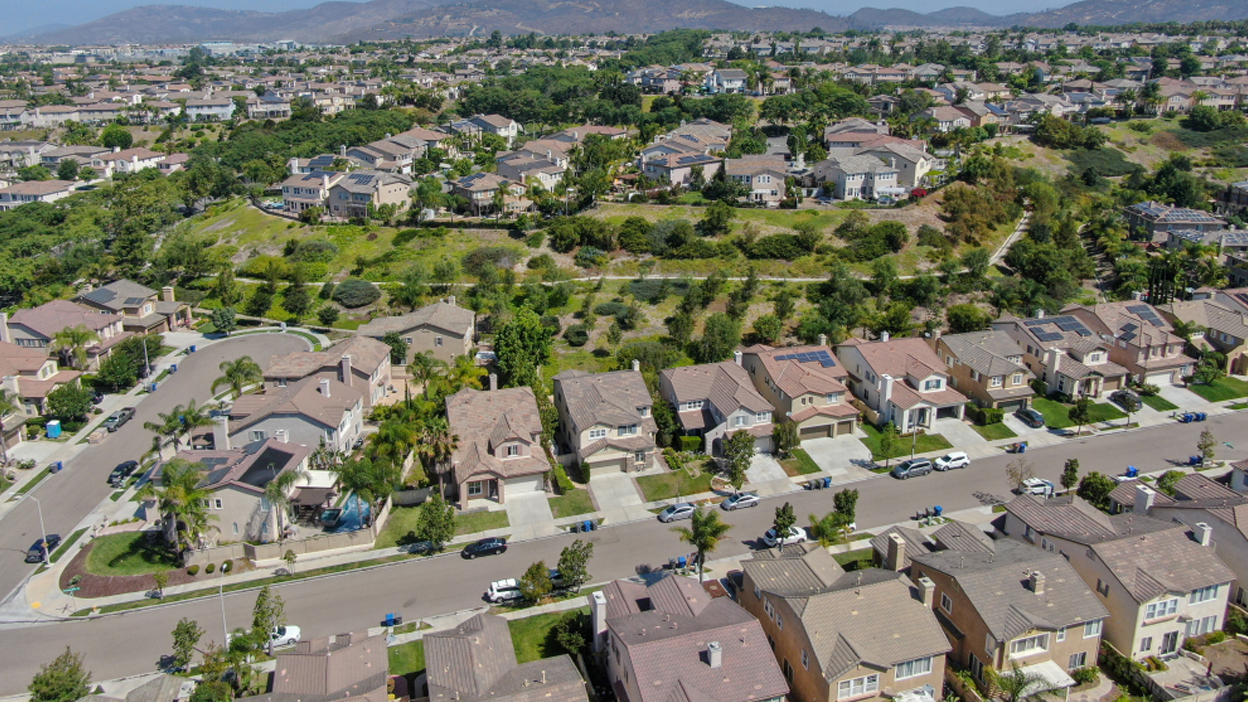
San Diego offers a relaxed coastal lifestyle with top-tier weather, a robust economy, and stunning oceanfront settings.
- Population: ~1.4 million
- Median Home Price: ~$850,000
- Median Rent: ~$2,300/month
- Median Household Income: ~$75,000
- Local Weather and Climate: Mediterranean climate with mild, sunny weather year-round
- Economy and Jobs: Strong in biotech, military, and tourism
- Educational Opportunities: Quality public schools and respected universities
- Ideal For: Retirees, families, outdoor lovers
- Known For: Beaches, parks, cultural diversity
San Diego’s unbeatable climate and coastal amenities secure its spot among the best cities for life satisfaction.
Frequently Asked Questions (FAQs)
What factors contribute most to a city’s quality of life?
A city’s quality of life depends on safety, strong economy, good education, accessible healthcare, clean environment, and rich social amenities. These collectively enhance daily living and long-term happiness, defining best places to live for quality of life.
How do you measure livability across US cities?
Livability is measured using crime rates, cost of living, job market strength, healthcare access, and happiness indexes like those from AARP. These criteria together identify us cities with high livability.
Are the cities listed affordable for families on a moderate income?
While housing costs vary, many cities on this list balance median home prices and rental rates with median incomes to allow moderate-income families to thrive. Research housing trends before relocation to ensure budget fit. For more affordable options, see 10 Most Affordable Cities to Live in the US
How important is climate in determining quality of life?
Climate affects outdoor activity, health, and comfort. Favorable weather supports an active, healthy lifestyle, which can enhance life satisfaction in cities with life satisfaction rankings.
Can moving to a high livability city improve overall life satisfaction?
Yes. Studies show living in cities with strong community, safety, amenities, and environment boosts personal happiness and emotional well-being.
What are some hidden costs or challenges of living in top lifestyle cities in the USA?
Costs like higher taxes, competitive housing markets, traffic congestion, and seasonal weather extremes can pose challenges even in top-ranked cities.
Conclusion
Choosing one of the 10 best places to live for quality of life in the US means selecting an environment designed to enhance happiness, health, and overall well-being. This list spans different regions and lifestyles, offering options suitable for families, professionals, and retirees alike.
Quality of life combines safety, economy, education, healthcare, environment, and social connections into a holistic living experience. Each city featured here reflects these values, providing proven satisfaction and livability.
Before your next move, explore these cities in depth, visit when possible, and consider how their unique offerings align with your personal priorities. Making an informed choice about where to settle is a key step toward a fulfilling, joyful life.
Start your journey today by diving deeper into these outstanding cities with best quality of life and discovering where you can thrive. For a wider range of urban, suburban, and small town options across the US, explore our collection of guides including 10 Best Places to Live in the US and 10 Best Suburbs to Live in the US