
Grasping the cost of living in Minnesota shapes how residents build long-term financial stability and make lifestyle decisions. This state stretches wide, with a mix of metro vibrancy, central town steadiness, and broad rural expanses. Across these regions, everyday spending patterns vary meaningfully—not simply by small neighborhood lines, but by the broader regional character that touches household routines. Whether nestled in a northern expanse or settled near a southern metro, Minnesotans experience distinct rhythms in managing money and meeting daily needs.
This article explores how living across the state feels in practical terms, observing how expenses come into focus and influence monthly budgeting and household finances.
Overall Cost of Living Feel Across the State
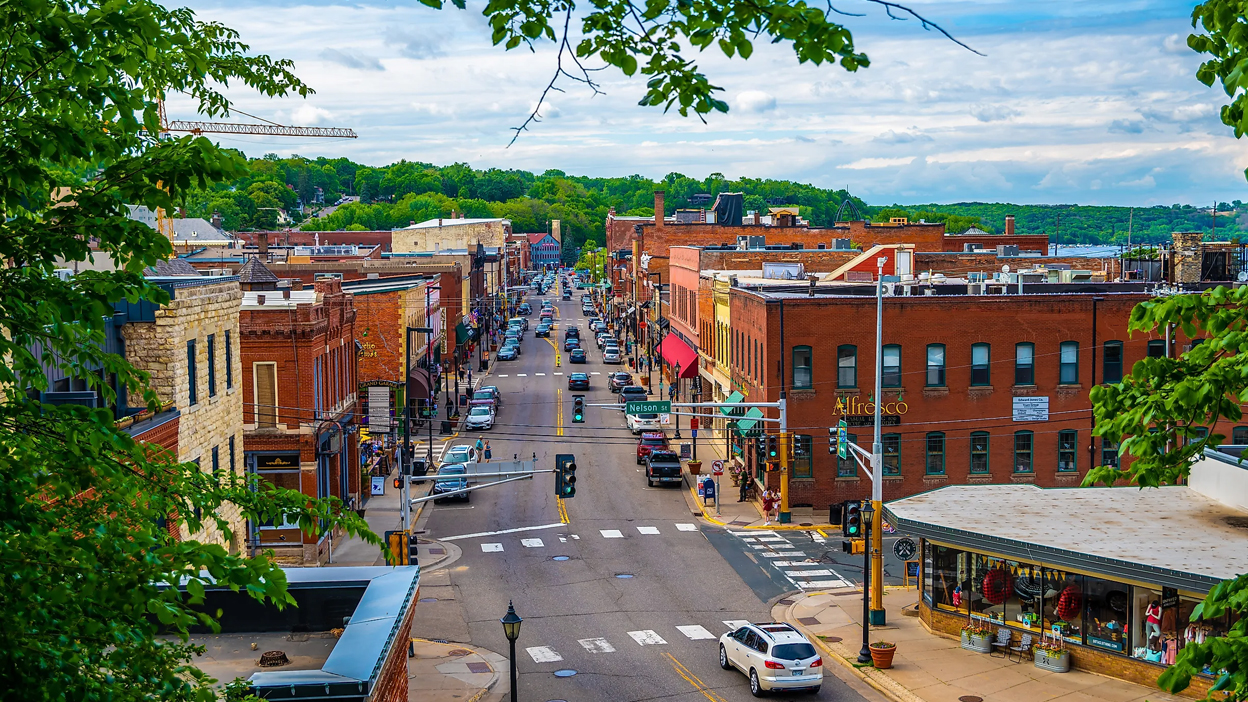
Across Minnesota, financial life tends to flow steadily with a sense of relative affordability. For many households, the pulse of everyday spending resonates with predictability, giving a trustworthy framework for managing day-to-day needs. Yet this steadiness comes with regional nuances that shape where pressure shows up and where some breathing room exists.
Urban hubs might seem to summon sharper demands on household finances, as certain costs hold tighter grips on budgets. Meanwhile, rural areas often provide a softer financial cushion, partially thanks to more dispersed spending rhythms. This difference isn’t about hardship or ease but a quiet ebb and flow felt by residents adapting monthly budgeting approaches.
Over time, people grow disciplined, learning to anticipate where money must stretch and where flexibility quietly endures, crafting a financial life tuned closely to their region’s economic tempo.
In daily life, these shifts materialize in subtle ways—whether that’s reining in discretionary purchases during heavier spending months or welcoming steadier stretches to replenish funds. This balance of predictability and regional pressure frames how Minnesotans manage household finances and make everyday spending decisions.
Housing Costs and Regional Living Patterns in Minnesota
Housing stands as a defining feature in how money feels managed across the state. Moving from metro centers to suburban belts and then broader rural areas, the sense of housing expenses morphs alongside lifestyle priorities.
For many, the average one-bedroom rent often settles around $1,595, forming a familiar marker of stability in household finances. In metro zones, housing demands often anchor monthly budgeting tightly, shaping how much is left over for other needs. Here, residents frequently trade off space for access and vibrancy, accepting smaller living quarters in exchange for proximity to services and social life.
Suburban living often represents a middle space, offering families breathing room to grow while still feeling the pull of housing costs on monthly planning. In these areas, the balance between space and budget shapes routine financial decisions, with housing expenses clearly influencing how households align their priorities.
Rural residents experience housing differently: the expense often loosens its grip on monthly finances, freeing up space in household budgets for other aspects of life. Tranquility and physical freedom come with a lifestyle where home size and mortgage or rent payments feel less like tight constraints and more like components of peaceful living.
Across all areas, some residents find discretionary expenses serve as vital social bonds, while others adapt by quietly trimming to essentials. This gives a textured sense of flexibility, with optional spending weaving itself into living across the state in diverse yet recognizable ways.
How Costs Feel for Different Types of Residents
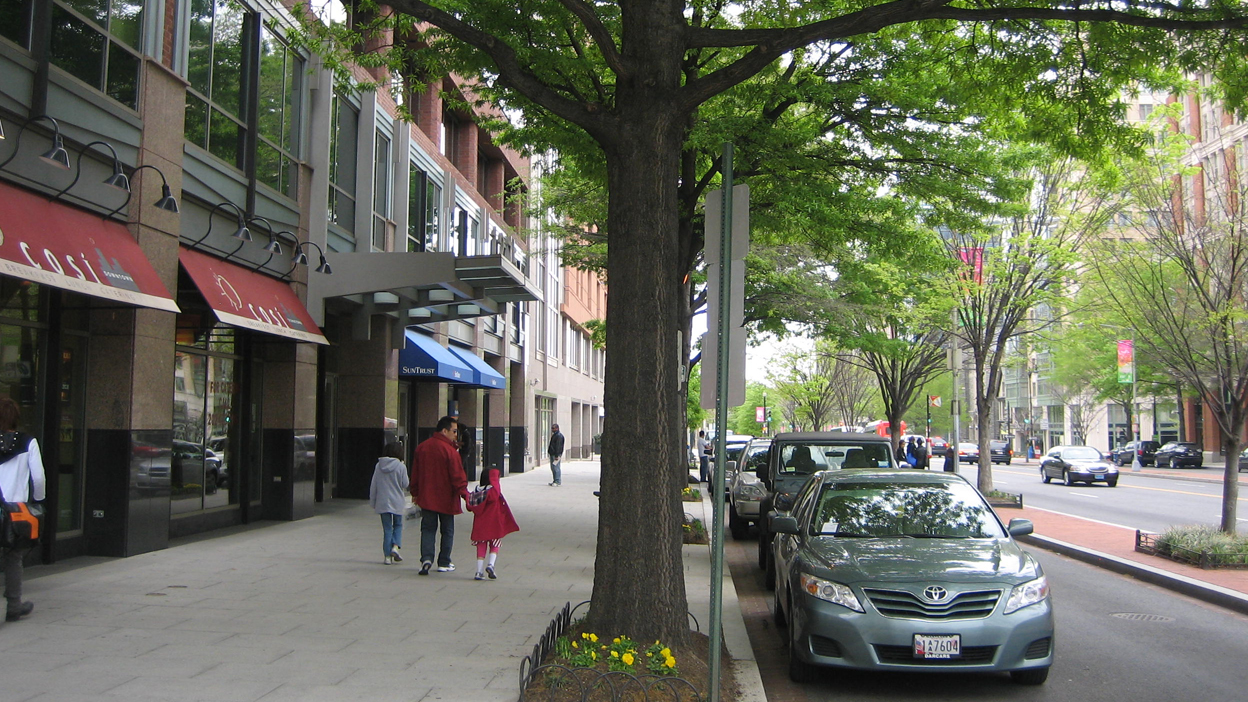
The financial experience in Minnesota unfolds uniquely for different resident groups, shaping how household finances and everyday spending patterns adapt under changing personal circumstances.
Singles often navigate nimble expenses, embracing a certain experimentation or minimalism in their budgets. Whether enjoying the urban pulse or rural calm, they tend to shape daily expenses around immediate lifestyle choices, seeking both variety and resilience in monthly budgeting.
Families tend to focus on stability and efficiency, often employing strategies like bulk purchasing or carpooling to stretch resources against recurring expenses. Their household finances frequently reflect a balance between future values and present needs, aiming to secure safe, steady environments while managing the pressure of housing and transportation.
Retirees lean on fixed incomes and seek predictability, valuing steady utility costs and a financial cushion for seasonal shifts. Their spending patterns often emphasize simplicity and reliability, tuning their household finances to weather the state’s climate and economy with measured care.
Remote workers add yet another dimension, finding ways to blend flexibility of location with practical budgeting. They might offset housing expenses in non-metro areas while absorbing connectivity expenditures, emotionally filing their finances to reflect either peaceful spaciousness or vibrant access depending on their surroundings.
Each group’s story contributes to the broader picture of living across the state, illustrating how diverse lifestyles and needs influence the felt experience of managing money in Minnesota.
Conclusion
Minnesota presents an overall balanced financial lifestyle marked by steady monthly flows in housing, transportation, and utilities that support resilient household rhythms. The interplay of regional differences—from the metro grit to rural openness—shapes how money is experienced in everyday spending patterns, creating both challenges and opportunities in managing household finances.
Reflecting on this narrative, residents and newcomers alike may consider how their priorities align with these patterns and regional pulses. The cost of living in Minnesota rewards thoughtful adaptation, as long-term financial stability emerges quietly from understanding where pressures arise and where flexibility resides across the state.
Living across the state thus involves embracing a financial rhythm that harmonizes with Minnesota’s varied landscapes, supporting enduring comfort and steady management in daily life.