Managing daily expenses in Portland extends well beyond simply finding a place to live. Money here molds the very rhythm of everyday life, shaping how residents move through their routines and make choices that reflect the city’s vibrant, outdoorsy vibe. Navigating the cost of living in Portland is not just about dollars and cents—it’s about how financial decisions thread into the creative and communal spirit that makes this place feel like home.
Both newcomers and longtime locals share a lived experience of balancing Portland living expenses within this unique environment. From the rain-soaked streets to bustling food carts, money weaves quietly yet persistently through the ebb and flow of daily life, echoing the city’s blend of urban energy and natural calm. The Oregon cost of living shapes how people allocate funds, juggle priorities, and find spaces for enjoyment in their monthly household budgeting.
The Overall Feel of Life When Living Here
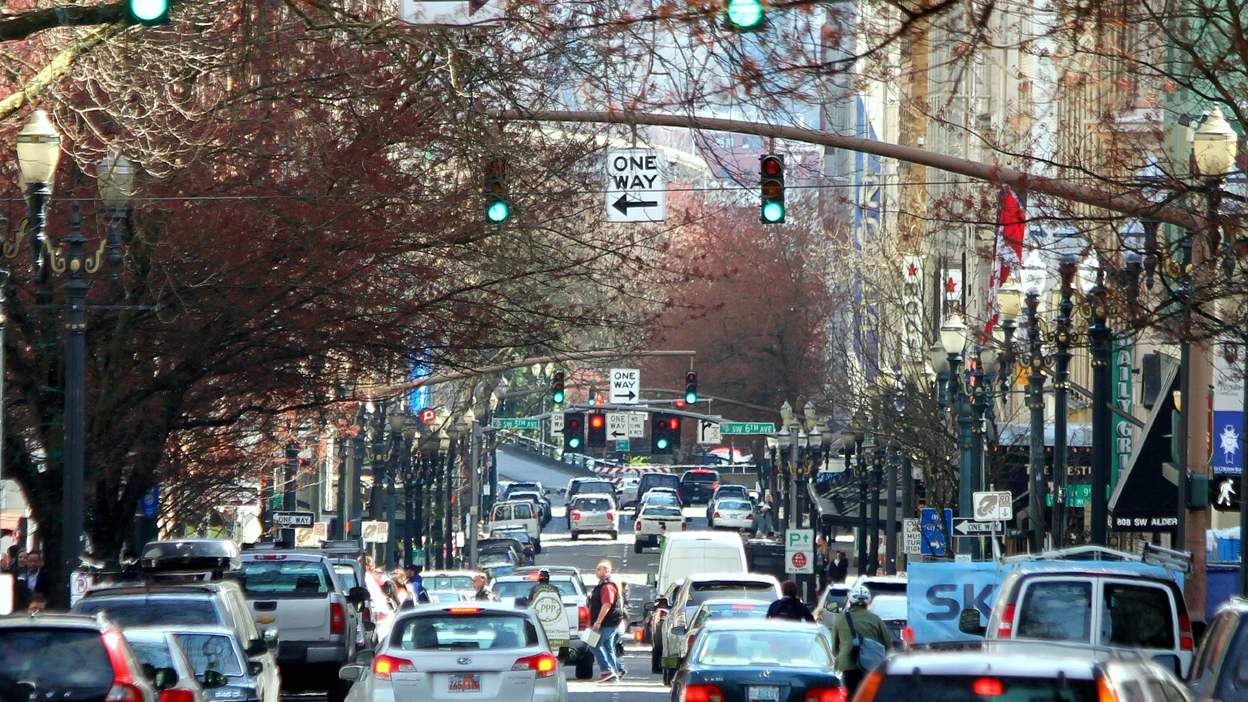
Life in Portland carries a steady pulse, a monthly flow that’s part rhythm, part negotiation. Managing everyday finances involves feeling the push and pull between unavoidable essentials and occasional windows of relief. Essentials like housing and transport often claim the lion’s share of attention, setting a firm baseline that can sharpen the focus on other spending areas.
Yet, there’s a softness in this dynamic. The absence of sales tax lightens some corners, and the mild regional climate quietly trims down utility expenses. Winter heating bills tend to ease as temperatures hover comfortably, while warmer months allow residents to swap car rides for bike trips, easing fuel costs. This seasonal flexibility creates breathing room within household budgeting, preventing the budget from tightening too far for too long.
Monthly flow here is less about extremes and more about steady pacing. Most households prioritize core needs—rent, groceries, transport—while reserving small, thoughtful indulgences that keep daily life textured. It’s a practiced balance, a financial rhythm that accepts pressures but avoids relentless strain.
Housing Costs and Typical Living Arrangements
Housing shapes much of how money moves through a month in Portland. The city’s living arrangements typically include renting apartments nestled in lively neighborhoods, owning modest homes in the surrounding suburbs, or joining shared housing setups—particularly among younger residents and students seeking practical ways to stretch their dollars.
For those renting, commitments can feel substantial. The median rent often lands near ~$2,259, a consistent, large upfront chunk of household budgeting. This scale of payment tends to guide many residents toward creative solutions: choosing smaller units, sharing with roommates, or opting for less central locations helps maintain flexibility in other spending areas.
Childcare, hobbies ranging from crafts to local markets, and personal care like haircuts softly reappear as threads woven into the fabric of everyday finances. Some of these expenses feel like flexible luxuries—adjusted or skipped when the budget tightens, yet embraced fully when room permits.
Residents often approach these spending choices as adjustable beats within a larger lifestyle rhythm. Opting for group fitness classes instead of pricier one-on-one sessions, or choosing happy hours over full restaurant meals, exemplifies the thoughtful trade-offs quietly shaping household budgeting each month.
How Spending Feels Across Different Residents
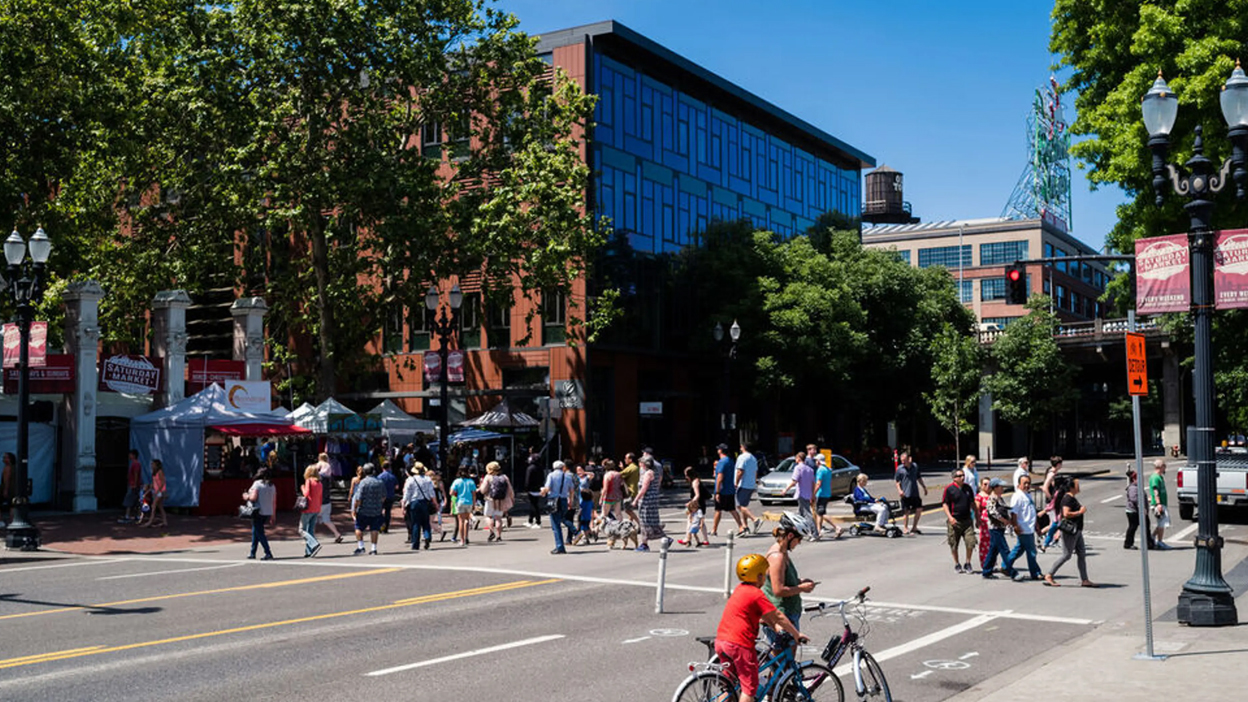
Money management in Portland reveals variations shaped by life stage and household makeup.
Singles usually embrace nimble flexibility. They tweak grocery trips to fit income shifts, rely heavily on biking and walking, and adapt quickly to freelance or variable earnings. This nimbleness informs a light-footed flow, shifting with circumstances but grounded in essential costs.
Families experience a different tempo. Their monthly flow involves more structured household budgeting, balancing predictable utility bills and recurring child-related expenses. Leisure and optional spending often take a back seat to maintaining steady stability, with scaled-back indulgences reflecting a longer-term horizon.
Retirees and remote workers find their own steady pace. Lower mobility demands ease everyday finances, while spending on seasonal produce and home office needs align with calmer, quieter cycles. Their financial rhythm echoes the city’s natural cadence, emphasizing sustainability and thoughtful allocation.
Living here means these diverse experiences coexist, each defining unique pressure points and flexibilities within the broader pattern of money management.
Conclusion
In Portland, the story behind the numbers reveals a lifestyle shaped by steady rhythms, thoughtful trade-offs, and adaptable flexibilities. From shared housing choices to active mobility habits, from managing groceries seasonally to balancing optional spending thoughtfully, the monthly flow of money here reflects a community shaping its own financial story.
As you consider your own financial path, reflecting on these everyday finances offers a fuller picture. The cost of living in Portland stretches beyond price tags—it becomes a gateway to intentional, balanced living, shaped by the choices and pace of life embraced by those who call this city home.