
When we think about the cost of living in San Diego, it’s easy to fall into the trap of numbers and charts focused only on shelter or income thresholds. But for those who truly live here, the financial experience is far more than a simple tally of monthly bills. It’s a nuanced rhythm of balancing daily life’s demands, creating quiet trade-offs, and walking a line between pressure and flexibility.
San Diego’s financial reality reflects a lifestyle ecosystem bound by choices made long before paychecks hit bank accounts. The cost of living here stretches beyond rent or mortgage—it shapes the way residents move through their days, how they structure their household budgeting, and how they sense the flow of money from one month to the next. Understanding this underlying current gives clarity to the often-unseen patterns beneath each expenditure.
The General Feel of Managing Money in San Diego
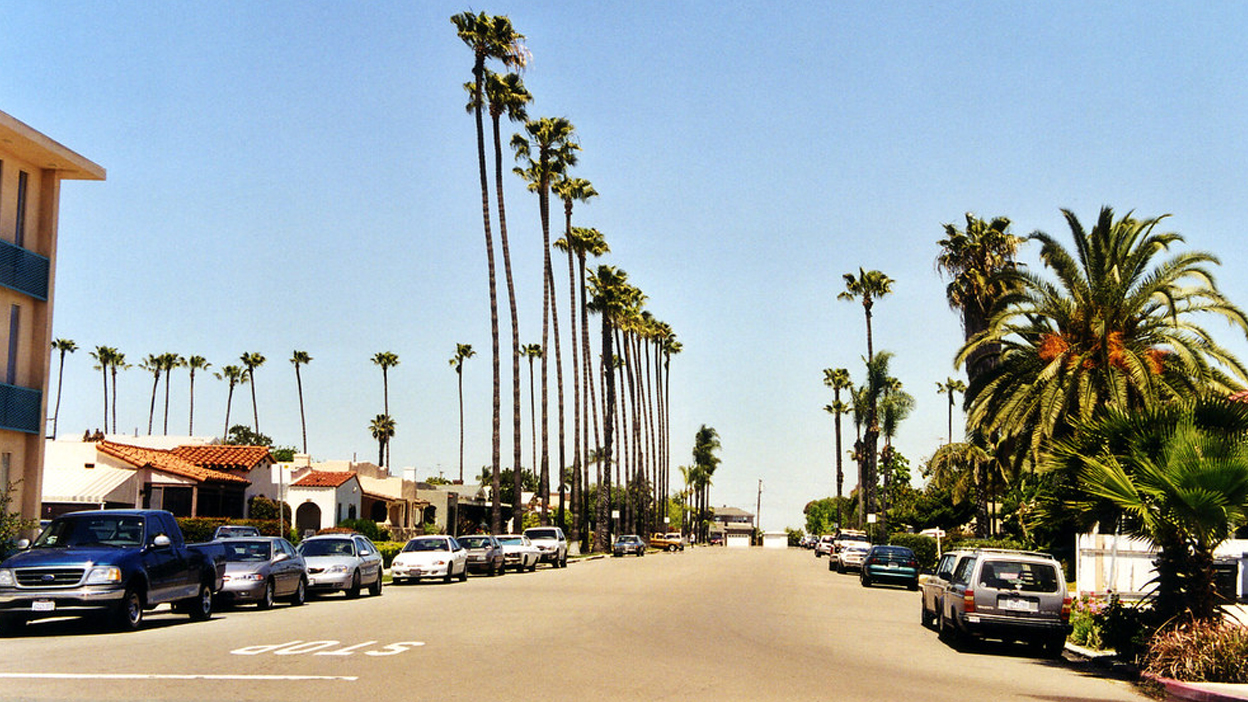
Living here feels like tuning into an ongoing financial rhythm. The monthly flow of money demands mindfulness but rarely spirals into constant worry. Instead, it invites careful attention, where everyday finances become a dance of trade-offs that require steady awareness.
Household budgeting is not an inflexible ledger but a living practice. Residents experience pressure points—moments when choices loom large—but these do not translate into relentless stress. Instead, they cultivate an environment where adjusting expectations and reallocating resources happens quietly and regularly.
There is a calm to this flow. While the cost structure here necessitates planning and discipline, it also provides pockets of breathing room. The sense that money isn’t endlessly stretched thin allows for moments of ease and the occasional discretionary indulgence. This balance shapes not just spending habits but the mental framework surrounding money, weaving it into daily life rather than isolating it as a source of angst.
Housing Shapes the Financial Landscape
Housing forms the foundational beat of San Diego’s monthly flow. Whether renting a compact apartment, owning a home, or sharing living spaces with others, these choices create the central framework upon which household budgeting rests.
For many renters, the feel of housing costs often lands near $3,100 monthly. This figure isn’t just a bill; it sets the tone for what remains and what must be adapted around. The influence of housing expenses extends beyond the check written each month—it colors every decision about spending, from grocery shopping to leisure activities.
Living here means that the choice of home plays into daily financial rhythms. High housing costs direct where people live and how they move through their month, creating an ever-present backdrop to everyday finances. Trade-offs emerge in the margins—fewer nights out, more co-living arrangements, or selective investment in personal comforts. The way households budget fluctuates around this steady, sizeable commitment, revealing how housing governs the financial tempo of monthly life.
Financial Rhythms Across Resident Types

Month-to-month money feels different depending on the resident’s stage and lifestyle, shaping varied patterns of household budgeting.
Singles and remote workers often find their financial experience wrapped in flexibility. Strategic choices about housing and commuting create occasional pockets of found money. Their monthly flow includes moments of discretionary ease unusual for a city with pronounced housing costs, allowing more spontaneity in day-to-day spending.
Families carry a tighter cadence. Here, the focus remains sharply on housing and groceries scaled to several mouths to feed. Leisure spending shifts from casual indulgence to deliberate trade-offs, calibrated to balance comfort with practical necessities. Higher income brackets report more comfort, yet the rhythm for most involves constant negotiation of priorities.
Retirees move to a different beat. Fixed incomes and limited financial mobility create persistent pressure, particularly as housing preferences emphasize stability. This group carefully manages grocery bills and medical care spending while leisure often becomes minimal but meaningful. Equity and pensions provide a stabilizing undercurrent that tempers ongoing financial vigilance.
Across these groups, household budgeting lives as an evolving pattern that reflects broader lifestyle aims, shifting pressures, and the quiet adjustments required to keep monthly life flowing.
Conclusion
The cost of living in San Diego underpins a lifestyle marked by balance and calm. It is a constant negotiation between active money management and a rich tapestry of outdoor and social culture that defines this place. The monthly flow is shaped by a steady pulse of housing costs, a reliable undercurrent of utilities, and flexible daily decisions about mobility and leisure.
Living here means inhabiting a financial ecosystem where quiet trade-offs shape expectations and spending habits, rather than rigid limitations. The rhythm is personal and evolving—each household’s pacing influenced by priorities and circumstances.
Reflecting on the cost of living in San Diego reveals a system built on mindful household budgeting and measured choices, offering a lifestyle that aligns with particular values and preferences. The question for anyone considering this city is which parts of this financial and cultural rhythm resonate most deeply, and how their own monthly flow might find harmony within it.