
Relocating to a new state requires a thorough understanding of its defining features. This article presents essential things to know before moving to New Jersey, offering a detailed, factual look at the state’s geography, economy, cost factors, and structural realities. Positioned on the East Coast, New Jersey provides distinctive East Coast living, strategically nestled between New York City and Philadelphia. This overview aims to equip those moving to New Jersey with objective insights pertinent for statewide planning before choosing specific cities or towns.
The sections below cover New Jersey’s geographic diversity, urban-rural characteristics, economic landscape, transportation infrastructure, climate patterns, and regulatory environment. By reviewing these key statewide dimensions, prospective movers can refine their local research based on an informed foundation.
Geographic and Regional Differences Within New Jersey

New Jersey is divided into four major geographic regions, each with unique characteristics relevant to relocation decisions. These regions are North Jersey, Central Jersey, South Jersey, and the Jersey Shore counties.
- North Jersey includes Bergen, Essex, Hudson, Morris, Passaic, Sussex, and Warren counties. It features dense urban and suburban development and is heavily integrated with the New York metropolitan area.
- Central Jersey comprises Hunterdon, Mercer, Middlesex, Somerset, and Union counties. This region hosts a mixture of suburban communities and industrial hubs.
- South Jersey contains Burlington, Camden, Cumberland, Gloucester, and Salem counties, more rural and agricultural in nature, with less urban density.
- Jersey Shore counties are Atlantic, Cape May, Monmouth, and Ocean, which stretch along the coast and are known for their resort towns and maritime environments.
Geographically, New Jersey’s terrain is shaped by four physiographic provinces:
- The Appalachian Ridge and Valley occupies the northwest, including the Kittatinny Mountains and High Point, which peaks at 1,803 feet. This area also contains parts of the Delaware Water Gap and a segment of the Appalachian Trail.
- The Highlands lie west of the Piedmont and are characterized by rocky ridges, lakes, and forested landscapes.
- The Piedmont region, approximately 20 miles wide along the northeast, incorporates valleys and urban centers such as Newark and Jersey City.
- The Atlantic Coastal Plain dominates the southern and coastal parts of the state, consisting of low hills, salt marshes, pine forests, lagoons, and urban resorts like Atlantic City.
Elevation spans from sea level along the shore to the summit of High Point. This variation directly influences climate zones—with coastal areas experiencing subtropical maritime effects, while higher inland ridges undergo continental climate conditions. Consequently, flooding risks are heightened in low-lying marsh and coastal plains, whereas snowfall is more frequent in the higher elevations.
New Jersey’s borders are framed largely by two major rivers: the Hudson River on the northeast with New York, and the Delaware River on the southwest adjoining Pennsylvania. Population is notably concentrated in the Piedmont region and North Jersey urban corridor, whereas the Highlands and many southern rural counties maintain sparse population densities. Understanding this geography is fundamental among things to know before moving to New Jersey, as it frames access, weather, and land use considerations in the state’s diverse regions.
Urban vs Rural and Regional Living Patterns
New Jersey’s living environments vary significantly between urban, suburban, and rural areas, impacting infrastructure availability and residential patterns.
- North Jersey is marked by dense urbanization close to New York City, with high population densities in counties such as Bergen, Essex, and Hudson. The area supports extensive commuter networks and robust public utilities.
- In contrast, South Jersey and its western counties are largely rural, with an agricultural economy and smaller population clusters. Counties like Burlington and Salem offer more open land and depend significantly on automobile transportation.
- Central Jersey exhibits a hybrid pattern that blends suburban residential areas with industrial and biotech sectors primarily located in Middlesex and Mercer counties.
- The Jersey Shore counties host vacation-oriented towns. These coastal communities range from fishing villages to retirement destinations and are characterized by a mix of dense resort development and less developed inland zones.
Infrastructure disparities exist along these urban-rural lines. Urban zones have comprehensive water, sewage, and public service networks. Conversely, many rural and shore areas rely on private wells and septic systems. Public service levels also vary accordingly.
These demographic and cultural structures provide important context and highlight the diverse environments embedded within New Jersey’s East Coast living reputation, making them significant things to know before moving to New Jersey.
Taxes, Regulations, and Long-Term Planning Factors
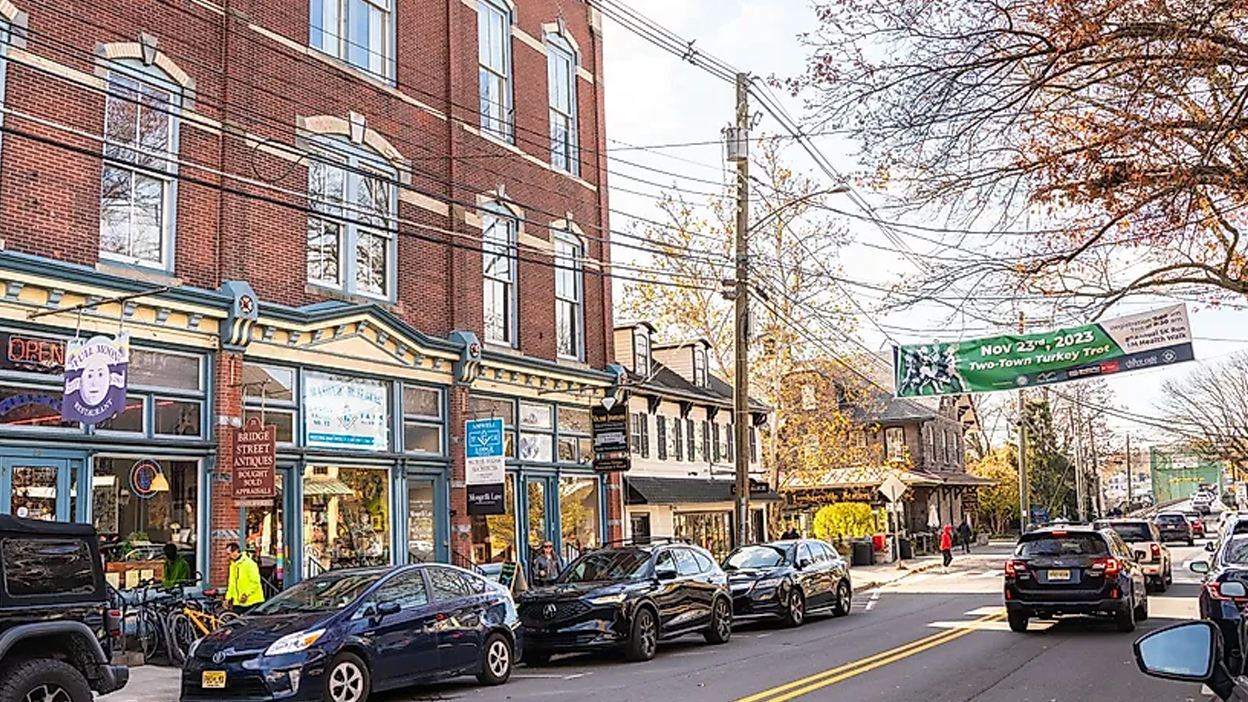
New Jersey applies notable fiscal and regulatory frameworks affecting residency and real estate ownership:
- The state features a progressive state income tax alongside a 6.625% sales tax.
- It is renowned for exceptionally high property taxes, which vary by county and tend to be highest in dense urban and suburban areas.
- Insurance regulations for homeowners and drivers emphasize flood and hurricane coverage, especially in vulnerable coastal zones.
On the land use front, zoning and housing regulations differ considerably:
- Urban areas mandate dense development patterns, while rural and shore counties permit more sparse building.
- Statewide coastal management programs regulate construction on barrier islands and wetlands to protect fragile shore environments.
- Environmental protections extend to ecologically sensitive zones like the Pine Barrens and Highlands aquifers.
These tax and regulatory realities influence long-term financial burdens, development potential, and residency planning. Familiarity with these structural components forms a core aspect of things to know before moving to New Jersey and is critical for prospective homeowners and developers.
Who New Jersey Is Generally a Good Fit For
New Jersey suits a range of residents, particularly those aligned with its economic and geographic profile:
- Professionals leveraging access to East Coast job markets—especially New York City and Philadelphia—will find commuter rail options and regional employment clusters appealing, particularly in north and central areas.
- Families and retirees attracted to varied lifestyles can choose from suburban neighborhoods in Central Jersey, coastal shore communities offering recreational amenities, or rural southern counties with agricultural surroundings.
- Individuals seeking proximity to major cultural and economic centers without the intensity of full urban density may also find New Jersey a good fit.
Knowing these broad suitability patterns is beneficial among core things to know before moving to New Jersey, aiding individuals and households in aligning relocation goals with the state’s diverse offering.
Who Should Research Further Before Moving
Certain groups will require deeper investigation due to specific needs or sensitivities tied to New Jersey’s regional realities:
- Households highly dependent on elite school districts, often concentrated in affluent northern and central counties, should conduct detailed school performance evaluations.
- Workers employed in niche industries outside the dominant sectors of pharmaceuticals, finance, logistics, and tourism may find limited opportunities and thus should verify local job markets.
- Individuals relying on car-free transit modes need to research public transportation availability thoroughly, especially outside well-served urban corridors.
- Those considering coastal or floodplain properties must scrutinize flood hazard maps and environmental risk assessments due to elevated vulnerability.
- Potential residents sensitive to the New Jersey cost of living and high taxation levels should perform cost-benefit evaluations tailored to specific regions.
Acknowledging these factors expands awareness within things to know before moving to New Jersey and supports informed relocation decision-making.
Conclusion
Understanding New Jersey’s geographic complexity, distinct economic centers, regional cost variations, transportation infrastructure, and regulatory landscape is crucial for anyone considering relocation. These things to know before moving to New Jersey establish an objective, comprehensive framework that empowers prospective movers to approach city-by-city or neighborhood-specific research with greater clarity and accuracy.
By assimilating this factual, statewide overview, readers can more effectively evaluate their priorities against New Jersey’s varied environments. Continued exploration of detailed local factors will ultimately guide residents toward the most suitable place within this diverse East Coast state.
Whether for employment, lifestyle, or financial reasons, thorough knowledge of New Jersey’s structural realities remains indispensable before confirming a move.