Relocating to a new city can be exciting yet daunting, and Philadelphia is no exception. Understanding how to spend a weekend in Philadelphia before you move is key to gaining a real sense of what daily life here truly feels like. A focused two-day visit lets you experience the city’s rhythms, neighborhood dynamics, transportation options, and community vibe beyond the usual tourist checklist.
A weekend in Philadelphia before moving provides an invaluable preview of the city’s everyday atmosphere. It helps you grasp the pace of life, from busy business districts to relaxed parks, and gives a practical sense of commuting and local culture through authentic experiences. While two days can’t cover everything – like in-depth school evaluations or the full housing market – this brief immersion is a crucial first step for prospective residents.
Think of this post as your Philadelphia travel guide with a relocation twist, designed to help you structure your visit to learn what’s normal in Philly life, not just what’s popular with visitors.
Why a Weekend Visit Helps Before Moving to Philadelphia
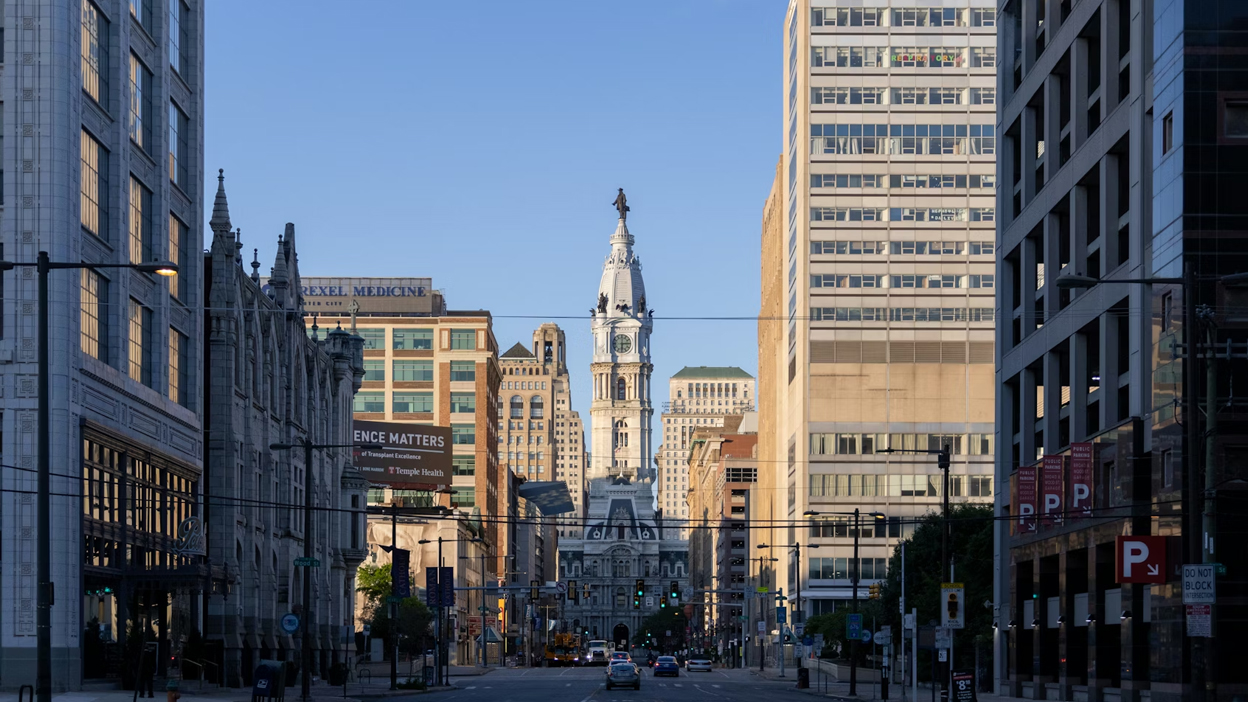
Philadelphia’s urban core is surprisingly compact and highly walkable. Neighborhoods such as Center City, Old City, and Rittenhouse Square are tightly clustered, allowing a visitor to sample a wide range of city life in a limited timeframe. This geographic advantage makes a weekend in Philadelphia before moving a practical way to explore multiple districts and their distinct atmospheres.
Sensing the City’s Pace of Life
Each Philly neighborhood delivers a unique rhythm and social energy:
- Center City buzzes with a fast-paced business vibe. Around landmarks like City Hall and Reading Terminal Market, commuters rush to offices, delivery services weave through streets, and lunchtime crowds fill cafés.
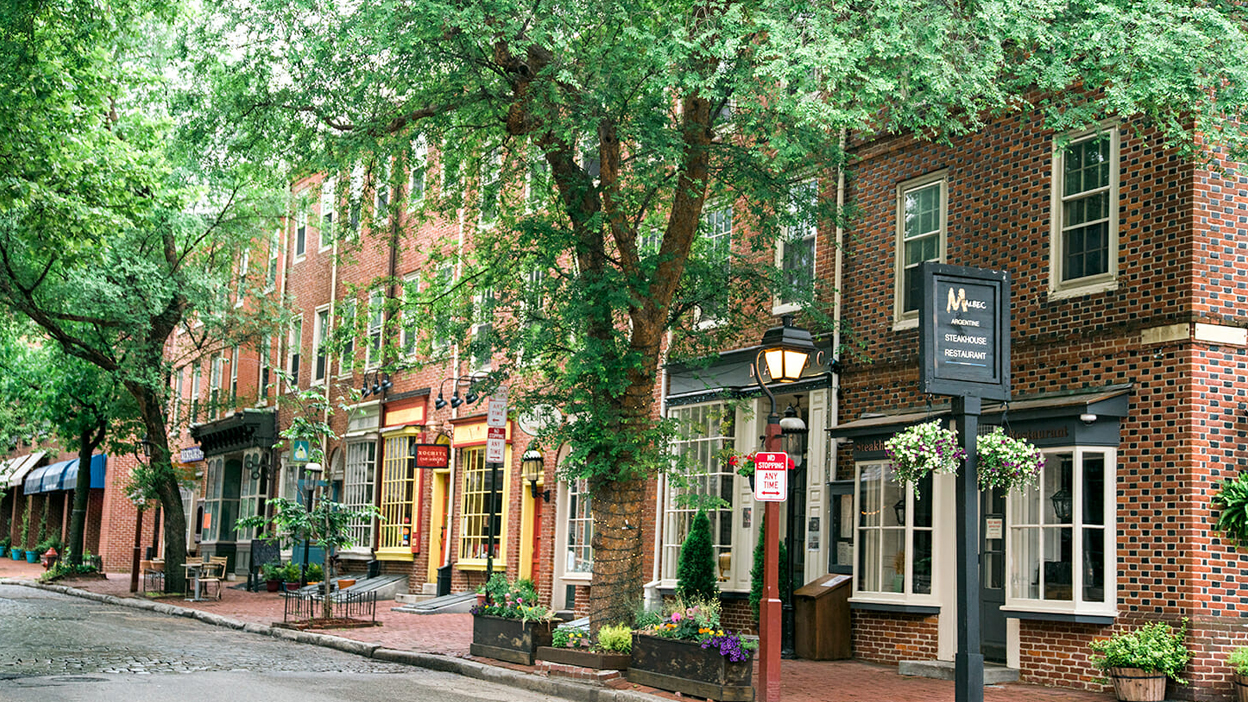
- Old City blends history with modern life. By day, tourists fill Independence Hall and cobblestone streets, but just a block inside, quiet residential enclaves like Elfreth’s Alley reveal a much slower, community-focused pace.
- Rittenhouse Square offers a more relaxed, upscale environment. This leafy green park is surrounded by cafés and fine dining where locals walk dogs, meet friends, and enjoy weekend markets.
- Rising creative neighborhoods like Fishtown and Northern Liberties attract young professionals and artists. These areas buzz with casual eateries, bars, and galleries, mixing residential quiet with weekend nightlife.
- South Philadelphia feels rooted in long traditions. Its dense rowhouse fabric shelters multi-generational families, thriving food markets like the Italian Market, and proximity to sporting venues reflecting a strong working-class culture.
- The university-centered University City vibrates with students, researchers, and medical staff, giving a sense of an academic and innovation hub.
- Farther out, areas such as Manayunk and Chestnut Hill shift toward a suburban rhythm—more car-dependent, quieter, with more green spaces and village-like small businesses.
Navigating Transportation and Traffic
Understanding transportation options is vital for new residents. Philadelphia’s public transit network, operated by SEPTA, includes subways, trolleys, buses, and regional rail lines that cover much of the city and connect key neighborhoods.
- The SEPTA subway system serves dense areas like Center City, Old City, and University City, with frequent service during peak and off-peak hours.
- Trolleys and buses offer additional access, with routes linking cultural districts, markets, and parks, including visitor-friendly lines like the Phlash bus and hop-on-hop-off trolleys.
- Walkability is a major asset in central areas—pedestrian-friendly streets encourage walking for errands and socializing.
- However, outer neighborhoods like Manayunk and Chestnut Hill depend more on cars or regional rail access. Parking here is generally easier, but owning a vehicle may be necessary for full convenience.
- Driving downtown is challenging due to traffic congestion and scarce, expensive parking, reinforcing the value of public transit and walkability in the city’s heart.
Experiencing Authentic Community Atmospheres
Beyond visiting tourist landmarks, spending time in everyday hubs reveals the genuine fabric of Philadelphia life:
- Reading Terminal Market, a century-old indoor public market, pulses with locals shopping for fresh produce, lunching at vendor stalls, and sharing conversation.
- Parks such as Fairmount Park and Spruce Street Harbor Park serve as focal points for recreation, relaxation, and community gatherings, especially on weekends.
- Neighborhood cafés, local artisans, and small parks provide intimate settings where residents meet, families enjoy outdoor time, and neighborhood culture unfolds naturally.
While a weekend in Philadelphia before moving can showcase these facets, it cannot fully expose more intricate aspects like school options, housing market complexities, or seasonal lifestyle patterns requiring longer engagement.
Day 1: Getting a Feel for Everyday Life in Philadelphia
Your first day should focus on diving into the daily routines and diverse neighborhood vibes that shape Philadelphia living. This Philly weekend itinerary balances historical ambiance, green spaces, and emerging urban cultures to give an immersive experience.
What a Weekend in Philadelphia Can and Can’t Tell You
What a Weekend Can Reveal
- Daily Pace: Witness rush hour flows in Center City, leisurely weekend activity in parks, steady food market crowds, and how streets feel on different days.
- Local Culture: Observe eating habits, public park use, and community gatherings in markets, cafés, and neighborhood spots.
- Transportation Reality: Evaluate SEPTA’s frequency and crowdedness, walkability of areas, parking ease, and typical trip durations.
- Neighborhood Personality: Identify visible demographics, presence of local businesses, and social energy in various districts.
What a Weekend Cannot Fully Reveal
- Housing Market Details: Pricing fluctuations, inventory depth, rental or purchase application processes require ongoing online research and possibly multiple visits.
- Education System Quality: School zoning, academic ratings, and fit for children necessitate dedicated schooling tours and district research.
- Long-Term Community Integration: Full understanding of neighborhood evolution, seasonal changes, and community nuances unfolds only over prolonged residence or local relationships.
- Seasonal Lifestyle Dynamics: Two days won’t capture winters with snow and reduced outdoor activity, or summer’s heat and festival cycles.
Keep these limitations in mind when learning how to spend a weekend in Philadelphia before you move so your expectations stay realistic.
Tips for Planning Your Weekend in Philadelphia
Best Seasons to Visit
Spring and fall offer the most comfortable weather for exploring outdoor spaces like Spruce Street Harbor Park and Fairmount Park. These seasons showcase active community life, festivals, and pleasant climates for walking or biking. Summer may bring outdoor events but also humidity; winter allows a glimpse of cold-weather routines but limits outdoor socializing.
Where to Stay
Book accommodations in Center City or near Rittenhouse Square for easy access to transit, key neighborhoods, museums, and restaurants. Short-term rentals and hotels in these core areas let you realistically test commuting times, noise levels, and street life. Hotel booking websites provide many options in convenient locations.
Getting Around
- Use SEPTA day or multi-day passes to sample city transit comprehensively, riding subways, buses, and trolleys like the Phlash.
- Try bike rentals to explore the Schuylkill River Trail and adjacent bike lanes, experiencing Philadelphia as locals do during recreation and commuting.
- Consider a one-day rental car to visit suburbs or car-dependent areas like Manayunk and Chestnut Hill. Reputable car rental services operate downtown.
- Avoid driving extensively in Center City due to traffic and parking challenges; walking and transit are usually faster and cheaper.
Planning Philosophy
- Base your Philly weekend itinerary around 2–3 neighborhoods per day rather than packing in too much.
- Leave time open to stroll residential streets, linger in parks, or join spontaneous community events.
- Use flexible planning to mimic daily life patterns instead of rigid sightseeing schedules.
When mentioning lodging or car rental options, you might naturally link to online hotel booking platforms or car rental agencies, providing convenient resources without overt promotion. Similarly, references to SEPTA passes or hop-on-hop-off trolleys serve as informational transit aids.
Conclusion
Spending a weekend in Philadelphia before moving is an essential relocation step. It equips you with firsthand experience of neighborhood atmospheres, commute options, and everyday routines like morning coffees and evening strolls in real local settings.
This brief immersion supports assessing livability cues, whether in bustling Center City or leafy Chestnut Hill, and helps you judge transit, walkability, and social culture.
Know that this weekend represents just one layer of your relocation journey. Follow it up with thorough housing and school research, engage with locals and online communities, and consider a second visit focused on neighborhoods you find appealing.
Ultimately, understanding how to spend a weekend in Philadelphia before you move empowers you to make a confident, informed decision grounded in authentic city life experience—not just in theory, but in practice. This approach saves time, reduces surprises, and sets you on the path to thriving in your new Philadelphia home.