
When you’re planning a big move to a new city like Indianapolis, nothing beats spending a weekend there beforehand. Knowing how to spend a weekend in Indianapolis before you move is crucial if you want to experience daily life beyond online research and glossy brochures. This isn’t about squeezing in tourist attractions — it’s about gaining real insights into neighborhoods, transportation, community vibe, and daily rhythms.
A well-planned weekend in Indianapolis before moving helps you gauge the pace of life, neighborhood character, local transit, and safety. You don’t need a full week; two days can provide enough perspective to reduce uncertainty and feel confident in your relocation choices. This travel guide focuses on practical exploration aimed at helping you test if Indy fits your lifestyle.
Why a Weekend Visit Helps Before Moving to Indianapolis
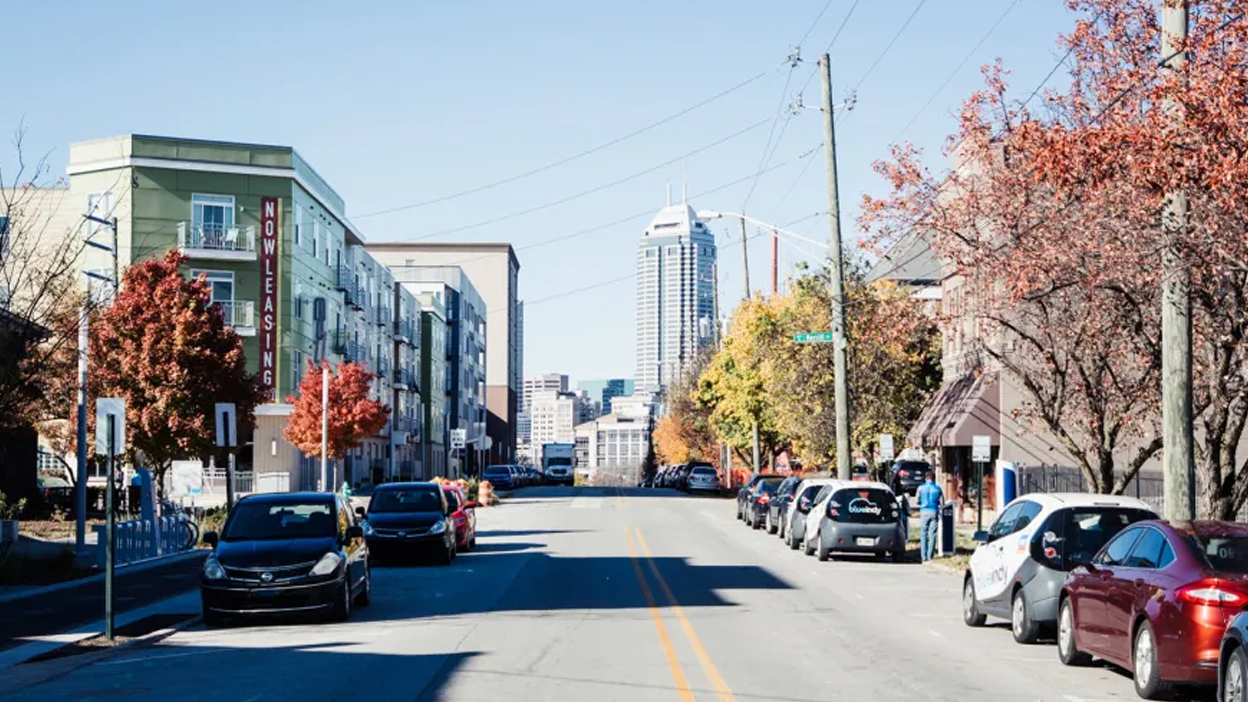
Taking a short but focused weekend visit is a powerful relocation scouting tool — and doing this well means thinking like a future resident, not a tourist.
Experience the Pace of Life
Indianapolis blends an urban downtown core with quiet residential neighborhoods. Downtown has a steady hum — bustling but manageable, especially outside rush hours. Cultural districts like Mass Ave, Fountain Square, and Broad Ripple offer walkable streets and lively restaurant scenes. By contrast, historic and suburban neighborhoods such as Meridian-Kessler and Irvington feel peaceful with tree-lined streets and quieter weekends.
Spending a weekend in Indianapolis before moving lets you see when and where the city truly feels active or calm. These firsthand observations reveal whether you prefer a busier or slower daily rhythm.
Understand Transportation Realities
Indianapolis is a driving-focused metro with widespread suburbs, but it also has growing transit and trail options.
- Driving remains the easiest way to cover diverse neighborhoods and suburbs in a weekend.
- IndyGo buses provide affordable local transit with day passes and expanding bus rapid transit.
- Trails like the Indianapolis Cultural Trail and Monon Trail connect downtown to neighborhoods such as Broad Ripple and Carmel, showing how bike and pedestrian routes work in practice.
- Parking varies: downtown has metered lots and garages, while most suburbs and shopping areas offer plentiful free parking.
By testing these transportation modes, you’ll uncover the true convenience or challenge of getting around — vital information for relocation planning.
Explore Diverse Neighborhoods
Indianapolis isn’t a monolith. Its neighborhoods range widely:
- Artsy, walkable districts with nightlife and cafés (Fountain Square, Mass Ave, Broad Ripple)
- Historic residential areas with older homes and family feel (Meridian-Kessler, Irvington)
- Suburban communities featuring newer developments, schools, and shopping hubs (Carmel, Fishers, Zionsville)
A weekend visit helps you experience these contrasts firsthand and identify where you fit best, based on your lifestyle priorities.
Assess Community Atmosphere
Local friendliness, demographic mix, and public space use vary across Indy. Visiting public parks, cafés, and community events will let you sense the social fabric. Is it welcoming? Quiet or lively? Family-oriented or young professional-focused? This qualitative feel is hard to find in guides but key to deciding if Indianapolis truly feels like home.
Day 1: Getting a Feel for Everyday Life in Indianapolis (Indy Weekend Itinerary)
Day 1 of your Indy weekend itinerary is all about immersing yourself in typical daily routines and neighborhood environments that represent resident life.
Morning: Coffee Shop Culture in Walkable Neighborhoods
- Broad Ripple: Start your morning in Broad Ripple, known for its walkability, abundance of coffee shops, and proximity to the Monon Trail. Here you can observe joggers, parents with strollers, remote workers, and neighbors engaging in their routines. Take note of noise levels, parking availability, and how pedestrian-friendly the streets feel.
- Fountain Square: Next, visit Fountain Square, a historic arts district with eclectic dining and creative energy. Early hours are quieter, giving you a chance to see the neighborhood’s feel without crowds. Observe the building styles, apartment density, and whether the mix of residential and commercial spaces suits your taste.
Afternoon: Touring Residential Neighborhoods and Community Spaces
- Meridian-Kessler: Drive or walk the leafy, established streets of Meridian-Kessler. This area is prized for its traditional homes and tree-lined avenues. Observe upkeep, park usage, and how pedestrian-friendly the area feels. Local parks and community centers reveal family-friendly features and resident activity.
- Irvington: Also on your route, the Irvington neighborhood offers a suburban village feel near the city, with a deep community tradition. Note housing variety, neighborhood quietness, and the presence of local shops or amenities.
- Local Parks and Community Centers: Stop by parks used heavily by residents on weekends, such as Fort Harrison State Park or one of Indy’s numerous city parks. Community centers and branch libraries also provide insight into local programming and how residents spend free time.
Evening: Local Dining and Casual Nightlife
- Mass Ave: For dinner and nightlife, Mass Ave is a cultural hotspot with restaurants, bars, and historic architecture. Observe the after-work and evening crowd, noting lighting, safety, and public transportation options.
- Fountain Square or Broad Ripple: Alternatively, check out the nightlife in Fountain Square or Broad Ripple. Both are known for live music venues and casual bars popular with younger, arts-oriented crowds.
- Sports Bar Experience: If a Colts or Pacers game coincides with your visit, catching the atmosphere at a local sports bar is an excellent way to experience Indianapolis’s strong sports culture and community spirit.
Accommodation & Transportation on Day 1
Stay centrally, either in a downtown hotel for broad access or a short-term rental in a neighborhood like Broad Ripple or Meridian-Kessler for a more authentic local experience.
- Neighborhood daily rhythms: noise levels, activity patterns, and weekend vs. weekday vibes.
- Transportation ease: commute times, bus reliability, biking comfort, and parking convenience.
- Safety perceptions: lighting, foot traffic, and your own comfort walking after dark.
- Cultural character: sports enthusiasm, arts and food scenes, and diversity in businesses and residents.
- Community feel: friendliness, use of public spaces, and availability of local events that matter for social life.
What a Weekend Cannot Replace
However, a brief trip cannot substitute for deeper research on:
- Long-term housing market trends, pricing, and rental or ownership conditions.
- School quality and educational program details critical for families.
- Stability and opportunities within your professional field.
- Healthcare network depth including specialist access and insurance compatibility.
- Building deep community ties, local politics, and nuanced school culture.
Use your weekend as an essential first-hand scouting mission. It builds context and confidence but should complement, not replace, longer-term due diligence.
Tips for Planning Your Weekend in Indianapolis
Best Time to Visit
- Spring and fall offer mild weather, allowing outdoor observation of community life.
- Winter visits reveal how Indy handles snow and cold—a factor if you’ll live there year-round.
- Summer festivals and events (Indy 500, local fairs) highlight culture but may skew traffic and accommodation prices.
Where to Stay
- Opt for centrally located hotels or short-term rentals downtown or near neighborhoods like Broad Ripple or Meridian-Kessler.
- Residential area rentals provide authentic insight into noise, parking, and community dynamics.
- Use reputable booking platforms and read reviews for safety, walkability, and noise.
How to Get Around
- Rent a car for flexible access to sprawling suburbs and inner-city spots.
- Purchase IndyGo day passes to test transit, coupled with biking the Cultural and Monon Trails for car-light living assessment.
- Test commute times during rush hour wherever your potential home may be.
Avoid Over-scheduling
- Focus on a few neighborhoods that align with your priorities (e.g., walkability, schools).
- Mix structured visits with free time—sit in cafés, wander streets, or explore local parks to absorb everyday life.
- Take notes and photos to compare neighborhoods systematically after your trip.
Additional Considerations
- Book through trusted platforms and confirm accommodations are near your targeted neighborhoods.
- Consider attending local community events or buying passes to museums or guided tours that focus on local life rather than sightseeing.
- Plan realistic timelines factoring in travel time across the metro area.
Conclusion
Knowing how to spend a weekend in Indianapolis before you move goes beyond sightseeing; it’s about immersing yourself in the city’s daily life, neighborhoods, and community vibe. This practical Indy weekend itinerary lets you test whether Indy suits your pace, transportation needs, and lifestyle preferences.
A thoughtfully planned weekend visit focused on relocation priorities reduces uncertainty and equips you to make confident, informed moving decisions. Treat the trip as a focused scouting mission: come prepared with checklists and observation goals, explore purposefully, and take the time to see real life in action.
Combining these insights with deeper research on housing, schools, and employment will help you find the best fit—and feel at home in Indianapolis from day one.
This guide arms you with the tools to turn a quick visit into an invaluable relocation resource. Use this travel guide to make your transition to Indy both informed and smooth. Safe travels and welcome to your potential new home!