Deciding where to live in Alaska is deeply personal. The stunning diversity of the state means that no single location fits everyone equally well. How to choose where to live in Alaska is less about identifying top-rated cities or popular destinations and more about understanding your own lifestyle, priorities, and what environment will support your way of living. Alaska offers a broad spectrum of living experiences, from its urban centers to widely dispersed rural communities. Each presents distinct opportunities and challenges shaped by environment, infrastructure, culture, and community.
The choices range between urban hubs, with developed infrastructure and services, and remote villages where traditional subsistence practices continue to define daily life. Day-to-day costs and the Alaska cost of living vary considerably across these settings, as does the Alaska lifestyle residents adopt according to where they settle. The process of matching your values, expectations, and needs with the realities of potential locations is the key to making a meaningful and sustainable decision.
Daily Lifestyle Priorities: Urban, Suburban, and Rural Living in Alaska
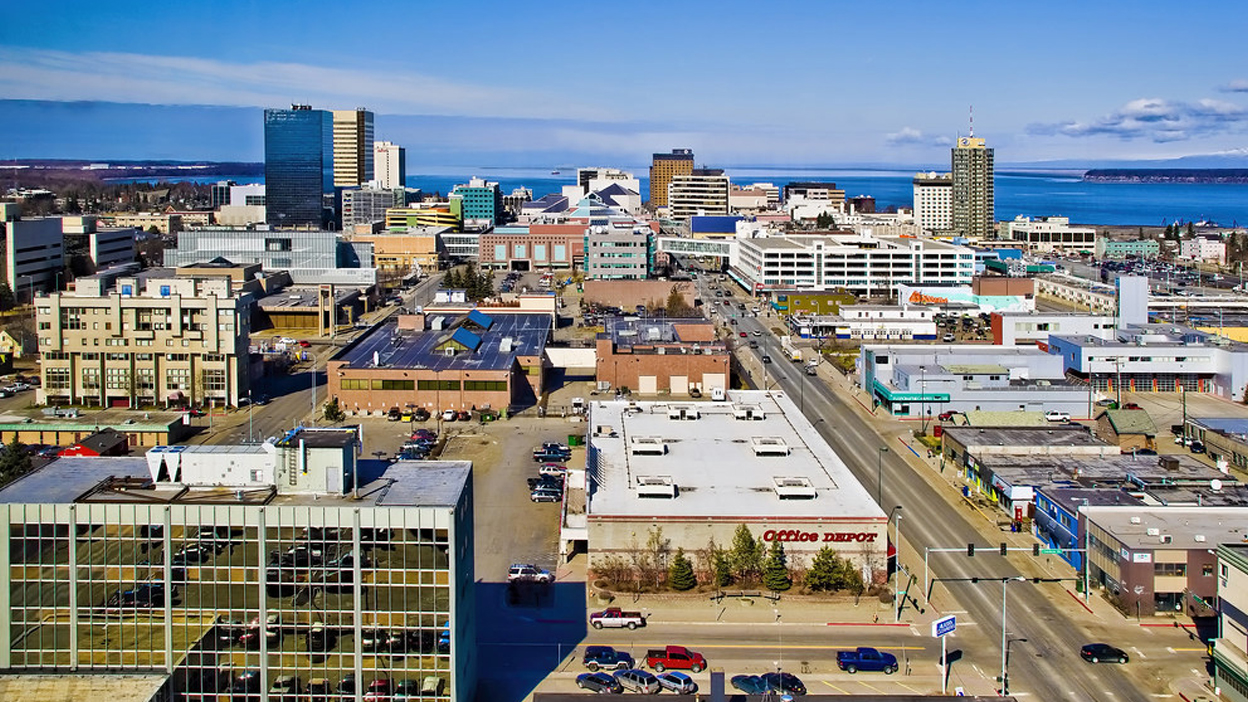
Understanding how living conditions differ is foundational when evaluating where to live in Alaska. Urban centers, led by Anchorage, are characterized by concentrated infrastructure and economic activity. These areas offer diverse employment opportunities, immediate access to healthcare, education, and a wide range of services. The pace of life involves navigating organized schedules, institutions, and transportation networks. Access to amenities tends to be reliable, and day-to-day living aligns with common urban patterns found across the U.S.
In contrast, suburban—or peri-urban—locations offer a middle ground. They provide more space and a quieter environment than core city living while retaining some access to key services. However, they do not match the density or variety of urban infrastructure. For some, this balance fits well if a quieter day-to-day life is important without entirely giving up access to schools or medical care.
Rural Alaska represents a very different mode of living. Many small communities face limited infrastructure, including a lack of consistent in-home water services which requires hauling water. Supplies are often seasonal and expensive due to transportation challenges. Life here demands self-reliance, forward planning, and adaptation to natural rhythms shaped by subsistence hunting, fishing, and gathering. Social networks tend to be tighter but amenities rarer. Living costs are not straightforwardly lower, as Alaska cost of living increases for essentials due to remoteness.
Deciding between these modes involves weighing trade-offs. Urban centers offer convenience, but can feel crowded or fast-paced. Rural life promises solitude and cultural continuity but demands acceptance of infrastructure limitations and higher costs for essentials. There’s no better or worse; rather, differences reflect lifestyle preferences that intersect directly with the realities of environment and available services.
Geography and Regional Differences Shape Living Realities
Alaska’s immense geographic scale is one of the most important factors influencing daily experience. Many communities lie beyond road access, making airplanes, boats, or seasonal snow machines necessary modes of transportation. This isolation not only defines how people get around but also deeply affects the cost and availability of goods and services, making the Alaska cost of living in some remote places significantly higher than urban areas despite lower housing prices.
Social preferences differ widely. Some individuals thrive in intimate, culturally unified villages; others prefer the broader diversity and subtle anonymity found in cities. Deciding where to live requires honest reflection on what social environment nurtures your sense of belonging.
Aligning your choices with authentic community needs and personality fit, rather than idealized or superficial notions of community
, helps frame where you might find a sustainable home.
Short-Term vs Long-Term Living Considerations
Your plans for the duration of stay significantly influence decision-making. Some move to Alaska on a temporary basis—for adventure, seasonal work, or experimentation—while others seek permanent roots. The trade-offs considered acceptable for short-term stays might become burdensome with time.
Migration trends reveal many Alaskans navigate a dual existence, moving periodically between rural and urban settings as family, employment, and cultural priorities evolve. This fluidity suggests remaining open to change and adaptation is essential.
Consider future needs carefully: growing families, health care demands, evolving employment, or shifts in community ties will reshape the practical viability of any location. Approaching your move as exploratory, with an openness to reassess and relocate if needed, respects Alaska’s dynamic living patterns and community ties.
Practical Ways to Narrow Down Your Options
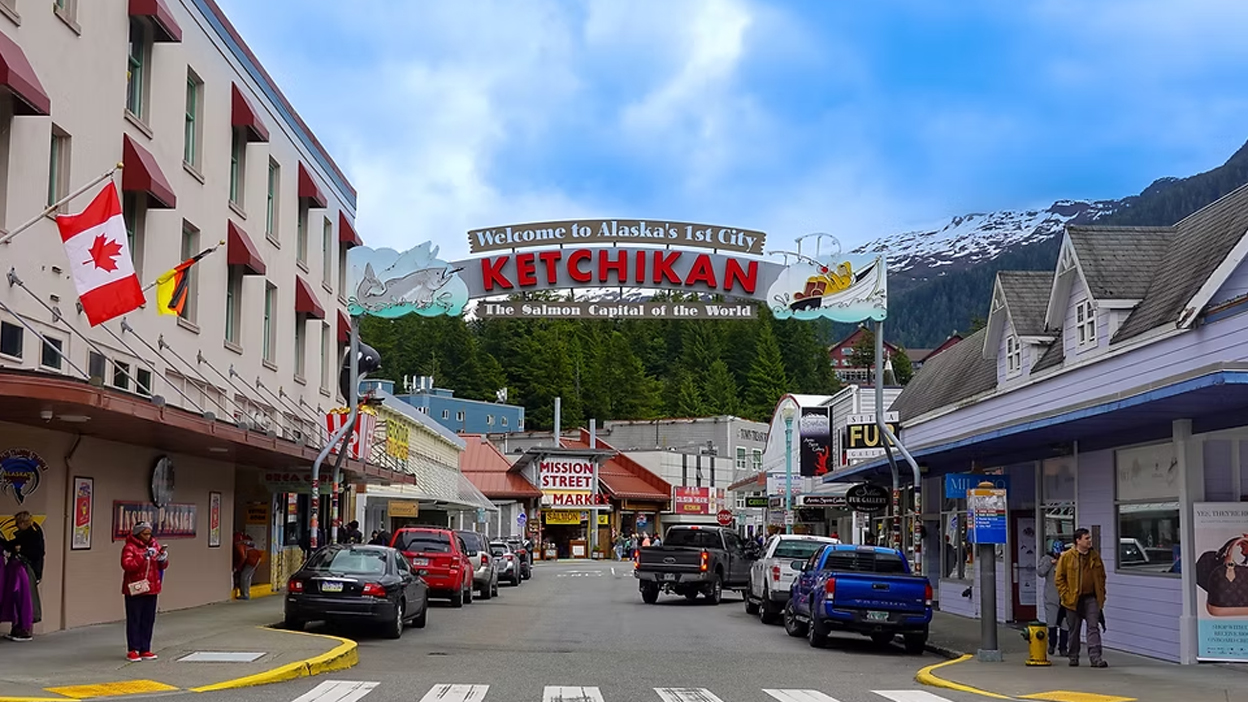
Choosing where to settle in Alaska benefits immensely from firsthand experience. Visiting prospective communities allows you to observe daily living rhythms, infrastructure realities, and social environments directly rather than relying solely on secondhand descriptions.
Be realistic in evaluating employment compatibility, your willingness to manage water hauling or limited transportation, and what social setting fits your temperament and values. Self-assessment of priorities and deal-breakers brings clarity to options.
Patience and reflection are key. Rushed decisions may overlook critical lifestyle mismatches or unmet needs. Viewing relocation as a gradual process that integrates observation, honest self-evaluation, and realistic economic assessment helps uncover the location best suited to you.
Conclusion
The diversity and scale of Alaska ensure that no singular choice will serve everyone equally well. Finding a place that aligns with your Alaska lifestyle requires integrating how environment, culture, infrastructure, and economics intersect with your values.
Understanding trade-offs—including those between solitude and social connection, affordability and lifestyle richness, employment needs and infrastructure constraints—allows you to focus on what matters most to you personally.
Remaining open to evolving priorities and recognizing that initial decisions may change respect Alaska’s dynamic social and geographic landscape. Approaching your choice with patience, direct observation, and honest self-reflection fosters a decision rooted in your unique lifestyle vision—a foundation for establishing meaningful roots in this remarkable state.