
Deciding where to settle within Missouri is a deeply personal journey, shaped by individual values, lifestyle preferences, and unique circumstances. When considering how to choose where to live in Missouri, it’s important to move beyond generic rankings and lists that highlight the “best places to live in Missouri.” Such lists often gloss over the subtle trade-offs and nuanced factors that affect daily living and long-term satisfaction.
Missouri offers a wide-ranging residential landscape. From the dense urban centers of St. Louis and Kansas City to sprawling rural counties dotted with small towns and dispersed homes, the state presents vastly different ways of life. This diversity calls for a reflective approach—one that prioritizes matching a location’s qualities to your lifestyle rather than defaulting to popularity or external accolades. This article unpacks key decision-making frameworks to help you evaluate where to live in Missouri with greater clarity and confidence.
Daily Lifestyle Priorities: Urban, Suburban, and Rural Living in Missouri

Understanding the rhythms and realities of daily life in Missouri’s urban, suburban, and rural environments is central to gauging where you might fit best. Each setting defines markedly different access patterns to services, community dynamics, and everyday experiences that shape quality of life.
Urban Living: Convenience with Crowds
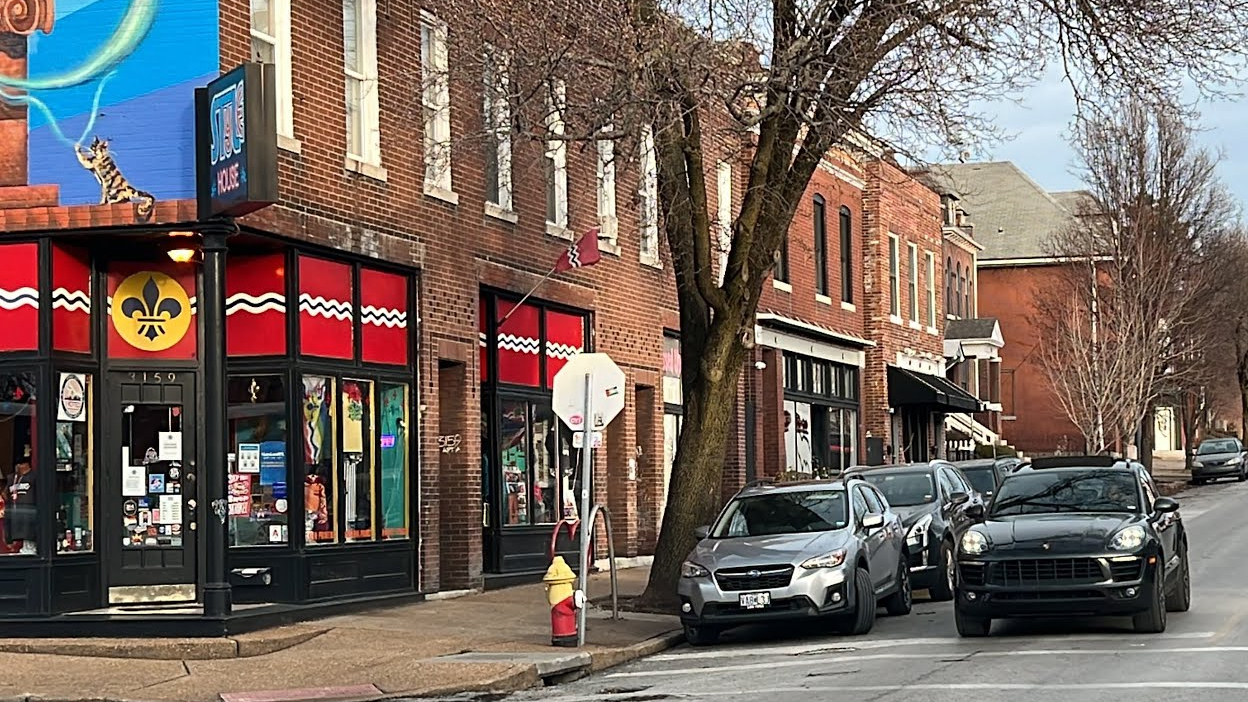
In Missouri’s urban areas, such as the core of St. Louis or Kansas City, living close to a dense concentration of workplaces, healthcare facilities, shops, and cultural institutions means shorter trips for errands and recreation. This proximity often allows more spontaneous social and leisure activities and less time spent in traffic compared to longer rural routes.
However, urban geography brings trade-offs. Higher population density means busier streets, increased congestion during rush hours, and less private outdoor space. Public transportation options may mitigate some travel challenges, but noise, crowds, and limited home sizes are part of the package. For those who prize immediacy and variety in daily life, cities answer many needs but require tolerance for bustling environments.
Rural Living: Privacy with Planning
Rural Missouri offers a different pace and privacy level. Homes are spaced farther apart, natural surroundings are abundant, and the lifestyle tends to unfold more deliberately. Many rural residents preserve a slower rhythm to days, valuing quiet and access to open land.
Yet, rural living demands planning for basic activities. Unlike urban dwellers who might pop into a nearby store or clinic, rural residents often drive significant distances for groceries, medical appointments, or entertainment. Although most rural Missourians live in small towns or suburban-like neighborhoods rather than working farms, the limited density means fewer immediate options.
Healthcare access reflects this challenge: rural areas suffer from medical desert conditions, with hospitals and specialized clinics several miles away. Educational resources also tend to be fewer or less diversified in rural school districts. Additionally, food security concerns surface more frequently in rural localities, as consistent access to affordable, nutritious food can require traveling beyond the immediate area.
Suburban Spaces: The Middle Ground
Suburbs surrounding Missouri’s cities often blend aspects of urban convenience and rural spaciousness. Here, populations are denser than rural settings but more spacious and quieter than urban centers. Service access varies by specific suburb; some offer extensive amenities within walking distance, while others require a car for almost every errand.
For many, suburbs provide a balance: relatively manageable commutes, access to schools and healthcare, and neighborhood social cohesion without the intensity of city life. Reflect on whether this blend aligns with your daily movement patterns and lifestyle preferences.
Aligning with Your Daily Routine
At the heart of determining where to live in Missouri is honest introspection about your ordinary life. Consider your daily habits: Do you value the convenience of immediate access to services and activities, or is a measured pace with privacy and natural surroundings more appealing? How much do you rely on healthcare providers, schools, or grocery options within short distances? Your answers will clarify which setting—urban, suburban, or rural—meets your lifestyle best and guides deeper evaluation.
Geography and Regional Differences: Understanding Missouri’s Environment
Missouri’s varied geography and climate play a subtle but influential role in daily living and long-term comfort. Recognizing these natural and regional characteristics aids in visualizing where a location “feels right” for you.
Seasonal Climate Considerations
Missouri’s climate features clearly marked seasons—hot and humid summers, cold winters, and significant seasonal changes. For many, these patterns shape heating and cooling needs, outdoor activity timing, and even health management, especially with seasonal allergens like pollen a widespread concern.
Rural Social Dynamics
Rural communities tend to be close-knit with slower social rhythms. People often know their neighbors well, maintain long-standing relationships, and participate in community centers like churches and schools for social engagement. This familiarity brings security and support but might feel insular or limiting if demographic diversity and varying viewpoints are desired.
The slower pace may suit those who prefer stable, deeper social connections developed over time rather than rapid or frequent social rotation.
Suburban Social Blend
Suburbs vary widely, mixing elements of urban diversity and rural familiarity. Social dynamics depend on neighborhood age, demographics, and amenities, with some suburbs feeling like small towns and others like extensions of city life. Reflect on which social environment nurtures your sense of well-being.
Matching Social Preferences
Contemplate whether you thrive in diverse, bustling social settings or prefer smaller groups with deeper bonds. Consider how you currently form friendships and community ties. Your social comfort zone should weigh heavily on the location decision.
Short-Term vs Long-Term Living Considerations in Missouri
The timeframe for your residence significantly shifts which criteria take precedence and how deeply you investigate factors.
Temporary Relocation Priorities
Short-term moves—such as for a few years of a job assignment or education—tend to emphasize convenience, access to work or school, and flexibility. Long-term community integration, neighborhood stability, or educational quality might be secondary. Here, ease of relocation and access to essential services is paramount.
Permanent Relocation Priorities
Choosing to settle permanently invites a broader and deeper consideration. Stability of infrastructure, quality of schools (if relevant), healthcare access, and economic opportunity gain prominence. Social integration and neighborhood character become crucial as you envision decades of life.
Evolving Life Needs
Personal situations evolve: a young professional’s priorities may differ significantly from those with growing families or retirees. Life stage influences preferences for schooling, healthcare, recreation, and community connectivity.
Considering these shifts upfront encourages selecting a place with resilience and adaptability to support changing needs or planning reasonable future moves if necessary.
Reflect on anticipated duration at the location and likely life stage transitions to weight which factors deserve the greatest attention.
Practical Ways to Narrow Down Your Options
With so many variables, how can you methodically decide where to live in Missouri? The process benefits from structured reflection and direct experience.
Structured Self-Assessment
Begin by articulating clearly what matters most to you on a daily basis. Identify your regular activities, essential services, preferred environments, affordability thresholds, social needs, and openness to risks like weather or economic trends. Writing answers concretely often reveals gaps between assumed and actual priorities.
Firsthand Visits and Evaluation
No amount of online research or reports can replace personal observation. When possible, visit potential neighborhoods not just on weekends for tourism but during typical weekdays—commute hours, shopping times, school drop-off intervals.
Observe everyday life in grocery stores, parks, streets, and community centers. Engage locals with open questions about living there—listen for unfiltered insights, not marketing pitches. Take time to assess infrastructure, maintenance, and seasonal character if possible.
Patience and Reassessment
Avoid rushing decisions based on a single impressive visit or a friend’s recommendation. Allow impressions to mature. Locations that truly align with you produce consistent, calm appeal over multiple exposures. Enthusiasm that fades quickly often signals misfit.
Repeated reflection and gathering diverse perspectives will help distill the best matches.
Conclusion
Selecting a place to call home in Missouri involves balancing multiple factors—lifestyle preferences, practical necessities, economic realities, and personal values. There is no universal perfect
locale; the right choice depends on what aligns with your unique situation.
Trust your informed, reflective approach more than external ranking lists. Your satisfaction will come from genuine fit rather than popularity or prestige. Missouri’s blend of urban centers, suburbs, and rural landscapes offers many opportunities to find a community attuned to your needs.
Approach this decision with confidence, patience, and openness, knowing that the journey toward home is as important as the destination itself.