
Deciding where to live in Wisconsin is a deeply personal journey. It goes beyond conventional metrics or rankings, instead resting on individual lifestyles, values, and priorities. This post seeks to illuminate how to choose where to live in Wisconsin by focusing on aligning personal rhythms with the distinctive character and practical realities of communities across the state.
Wisconsin is geographically and demographically diverse. The state boasts numerous urban areas that rank nationally for their quality and livability, while simultaneously hosting expansive rural regions with more than a million residents. Unlike states dominated by a single sprawling metro, Wisconsin’s urban centers are more modest in size and relatively dispersed. This means people aren’t simply choosing “the city” or “everywhere else” — they’re navigating a spectrum of communities with varied identities, amenities, and ways of life.
Understanding this layered landscape—and how it intersects with your own daily habits, work needs, social connections, and economic realities—is key to making an informed decision about where to establish roots.
Daily Lifestyle Priorities: Urban, Suburban, and Rural Living in Wisconsin
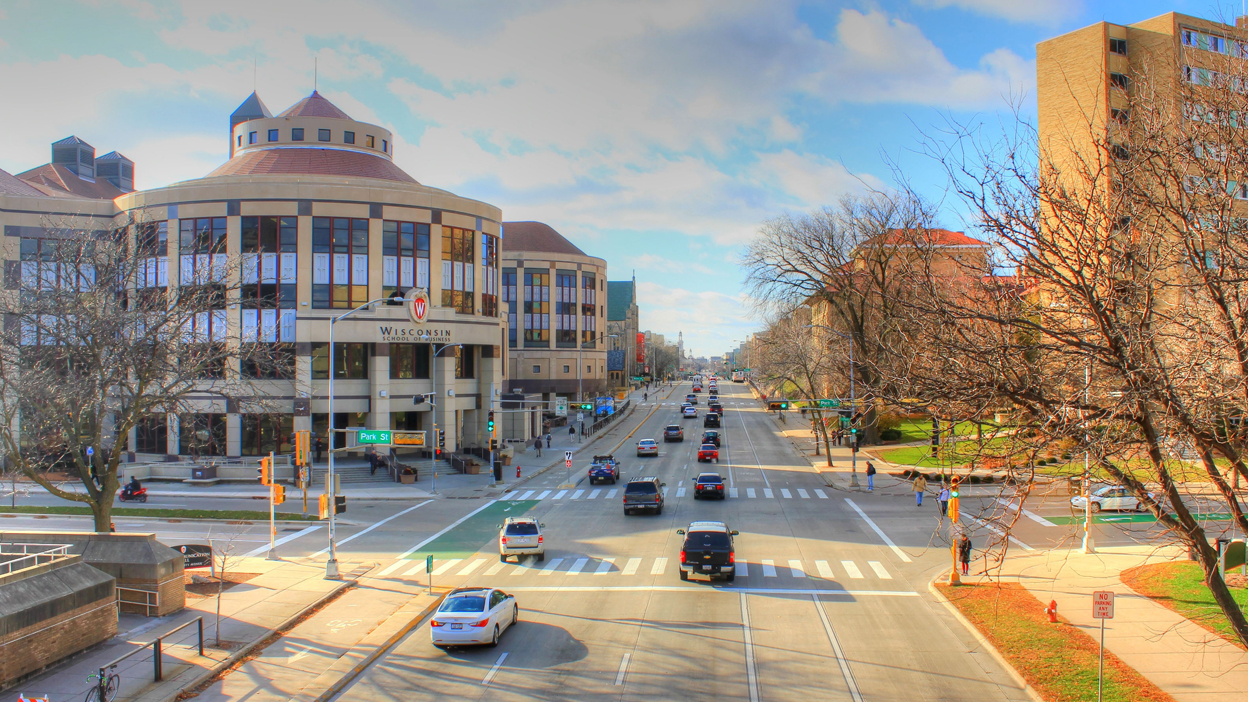
The day-to-day experience of life in Wisconsin shifts considerably depending on whether one lives in an urban, suburban, or rural setting. Each environment shapes routines, access to amenities, and social interactions in distinctive ways.
Urban areas in Wisconsin typically offer high walkability, easy access to cultural events, specialized services, and dense populations. Cities such as Madison and Milwaukee exemplify this dynamic, with many neighborhoods supporting errands, recreation, and work commuting on foot or via public transit. Life here moves at a relatively brisk pace with the convenience of immediate urban amenities. This setting suits those who value proximity and an active social and cultural calendar.
Suburban neighborhoods, by contrast, tend to have more scattered housing networks and depend heavily on cars for transportation. Despite existing near urban centers, suburbs frequently have lower walkability scores—sometimes even lower than rural towns. This is largely because many suburban areas were designed around the automobile era, whereas some older rural towns retain pedestrian-friendly downtown cores. Suburban living often represents a balancing act between access to city jobs and a preference for quieter, more spacious environments, affecting the nature of daily commutes and access to diverse services.
Rural Wisconsin towns offer yet another pattern. Many of these communities predate mass automobile use and thus feature walkable downtowns and infrastructure supporting pedestrian movement, often surpassing nearby suburbs in this regard. Rural residents enjoy more immediate proximity to outdoor recreation such as hiking, skiing, or water sports at state parks and natural landmarks. However, the trade-off involves longer travel times to reach healthcare, shopping, and entertainment venues. The pace of life in rural areas is typically less hectic, with strong connections to nature shaping residents’ routines and leisure.
These distinctions are not reducible to simple advantages or disadvantages; rather, they reflect complex trade-offs in how people experience daily life depending on their chosen environment. Whether one prioritizes walkability and cultural access, quiet and space, or a close-knit town feel adjacent to nature depends substantially on individual values and lifestyle needs within Wisconsin’s diverse living contexts.
Geography and Regional Differences Across Wisconsin
Wisconsin’s spatial structure features multiple metropolitan areas that function as regional hubs, rather than a single dominant urban core. The state includes more than a dozen metropolitan statistical areas, encompassing cities such as Milwaukee, Madison, Green Bay, Appleton, and others. Each of these urban centers carries distinct cultural and economic identities and serves as focal points within their regions.
Contemplating where you might thrive socially requires honest appraisal of your preferences: are you energized by the diversity and activity of urban life, or do you value the slower pace and stronger familiarity often found in smaller towns? The social environment is a key dimension affecting happiness and integration.
While Wisconsin’s distributed urban centers provide a range of social experiences, the true fit depends on matching community type to your personal comfort zone, social needs, and cultural interests.
Short-Term vs Long-Term Living Considerations in Wisconsin
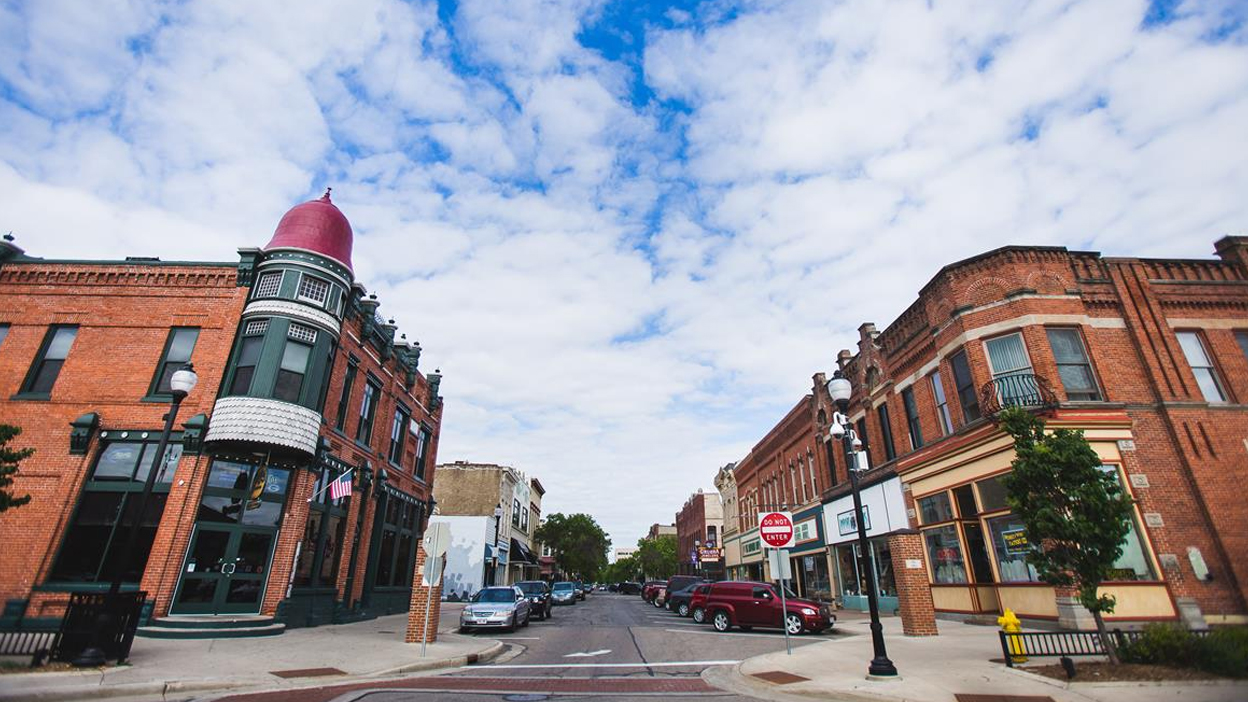
Short-term and long-term perspectives on living in Wisconsin can diverge, reflecting different priorities during these phases.
In the short term, convenience, flexibility, and immediate access to employment or services are often paramount. This practicality may draw people toward urban or suburban areas with easy transportation options and abundant amenities.
Long-term choices require anticipating changes in family composition, career development, and community engagement. Stability, neighborhood qualities such as walkability within urban districts, and alignment with community culture typically grow in importance with time. Living environments that feel authentic and supportive over years often involve additional layers of compatibility with values and lifestyle.
Wisconsin’s variety of community types supports adaptability, allowing residents to adjust location choices as their needs evolve. Considering what today’s preferences may look like alongside future aspirations helps make residence decisions that remain sustainable and fulfilling.
Practical Ways to Narrow Down Where to Live in Wisconsin
A thoughtful, nuanced approach is essential when narrowing down where to live in Wisconsin.
Begin with an honest inventory of your core daily lifestyle needs and values. What are your social preferences? How much commuting do you tolerate? How important is access to recreation or cultural activities? What economic factors, such as affordability and job access, must be balanced?
Experiential learning also matters. Visiting urban, suburban, and rural locations to observe walkability, community character, local infrastructure, and daily rhythms provides insight that data alone cannot. Even subtle differences—such as a rural town’s surprisingly strong pedestrian walkability compared to suburbs—may reveal key compatibility factors.
Pace your decision-making process with openness and patience. Moving involves significant life adjustments, so allowing adequate time for reflection and exploration fosters a sustainable choice. Recognizing that no place is perfect but that one community will more closely match your priorities brings clarity and confidence.
Wisconsin’s richly varied community landscape presents many paths. Thoughtful, lived experience paired with reflection will guide you to the right fit.
Conclusion
Choosing where to establish your life in Wisconsin is a multifaceted endeavor, not reducible to a simple “best place.” Instead, it involves identifying a community that resonates with your personal priorities and lifestyle preferences, blending practical considerations with social and cultural fit.
By weighing factors such as daily life rhythms, geographic setting, economic realities, social environment, and long-term sustainability, you gain a holistic perspective allowing a confident, authentic decision. Wisconsin’s unique structure—featuring multiple vibrant urban centers alongside thriving rural areas—provides abundant opportunity to find a place that feels right, not just convenient.
Approach this process with careful thought, openness, and willingness to engage with the state’s diverse offerings. Doing so will increase the likelihood of settling into a community where you can truly thrive.