
Deciding where to settle in Nevada is a deeply personal and multifaceted endeavor. It extends far beyond surface-level opinions or popular rankings. Understanding how to choose where to live in Nevada calls for a mindful reflection on your daily rhythms, lifestyle preferences, and values within the diverse spectrum the state offers. Nevada ranges from the vibrant urban centers of Las Vegas and Reno to peaceful, sprawling rural expanses. Choosing a home is ultimately about finding an environment that harmonizes with how you want to live, rather than simply ticking boxes from a checklist.
This guide aims to assist you in navigating this complex decision by exploring key factors that shape life in Nevada—from lifestyle distinctions and geographic differences to economic realities and community character. Rather than suggesting specific locations, it encourages deep consideration of what matters most to you, helping connect your personal priorities to the environment you will inhabit.
Daily Lifestyle Priorities: Urban, Suburban, and Rural Living
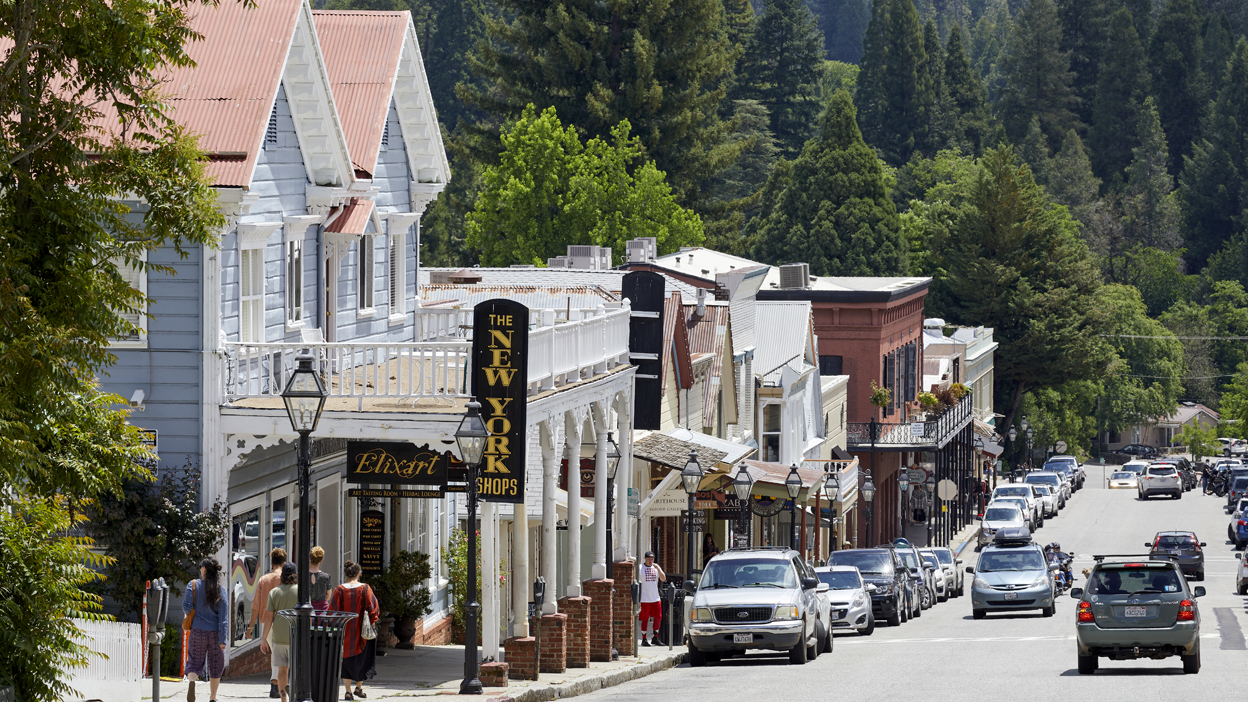
At the core of your location choice lies the kind of daily life you envision. Nevada’s varied settings offer distinct lifestyles, each with trade-offs affecting convenience, noise levels, and social dynamics.
Urban Living in Nevada
In Nevada, urban living often centers on areas like downtown Las Vegas and the Strip. These places are marked by intense amenity density, high walkability, and a nonstop rhythm. Urban residents benefit from immediate access to entertainment venues, restaurants, shops, and services running round-the-clock. Walking or public transit can often replace driving, offering convenience for those valuing minimal travel time for errands or social activities.
Yet urban life comes with its trade-offs. The high population density results in noise, crowds, and a generally fast-paced environment. The hustle and bustle, while invigorating for some, can feel overstimulating for others craving tranquility. Lifestyle expenses tend to be elevated here—housing costs, daily purchases, and even parking fees add up quickly. A close-packed urban existence demands tolerance of higher costs and constant activity in exchange for convenience and cultural richness.
Suburban Living in Nevada
Suburban neighborhoods like Summerlin and Henderson represent a middle ground where quieter streets and more spacious properties create a different rhythm. Homes with yards and parks invite outdoor family time, while community events and local networks foster belonging. These environments tend to support a more balanced lifestyle, with fewer disturbances but a meaningful social fabric that blends privacy with neighborly connection.
The primary compromise suburban living entails is car dependence. Unlike walkable urban centers, suburban communities require driving for most errands and commuting. Public transportation remains limited, pressuring households toward vehicle ownership and dealing with longer travel durations for work or leisure. Nevertheless, many appreciate this trade-off for the additional living space, lower day-to-day noise, and a lifestyle that often feels more family-oriented and grounded.
Rural Living in Nevada
Rural Nevada offers a substantially different daily experience, focused on space, quiet, and proximity to nature. These areas encompass widespread desert and mountain environments, where the population is sparse and the pace slows considerably. Here, your surroundings shift to wide-open spaces, starry skies, and direct access to outdoor activities fewer urban or suburban dwellers encounter regularly.
However, rural life comes with significant infrastructure challenges. Internet connectivity may be slow or inconsistent, and essential services often require long drives. Residents must embrace self-sufficiency as part of this lifestyle, accepting slower access to healthcare, shopping, and social engagements. Noise and crowds are minimal, but isolation can be an issue for some. Those who choose rural settings typically seek profound peace and natural immersion, trading convenience and service access for these quieter, spacious surroundings.
Taking time to reflect on which social atmosphere suits your temperament and needs—whether craving cultural variety, neighborliness, or tranquility—is critical to the location decision.
Short-Term vs. Long-Term Living Considerations

Your horizon for living in a new place heavily colors the factors to weigh, influencing flexibility demands and stability priorities.
For temporary stays of a few years or less, flexibility is paramount. Ease of renting, accessible lease terms, and rapid social integration often trump long-term investment considerations. Urban and suburban areas typically provide richer short-term housing options and community infrastructure that support transient lifestyles.
In contrast, long-term settlement invites focus on stability, especially for families or those seeking to build roots. Here, school quality, home equity, neighborhood permanence, and lifestyle sustainability rise in importance. Suburban neighborhoods often appeal for their steady schools and community infrastructure, while urban locations may draw those prioritizing career opportunities and cultural engagement. Rural living in the long term frequently centers on self-sufficiency, land stewardship, and deep local ties.
Expect your priorities to shift with life stages; young professionals might favor urban proximity, families lean suburban, and retirees gravitate toward tranquil, healthcare-accessible settings. Remaining adaptable through these transitions guards against locking into choices that fail to evolve with your circumstances.
Practical Ways to Narrow Down Your Options
A careful, honest assessment of your own needs and limits lays the groundwork for clear decision-making. Begin by clarifying non-negotiables—whether that’s commute length, internet speed, social interaction levels, climate tolerance, or financial boundaries. Separating these dealbreakers from flexible preferences helps streamline your search.
Immersive experience offers insight beyond research. Visit neighborhoods across different days and times to sense daily rhythms, noise levels, social dynamics, and accessibility. Engage in routine activities—like shopping, dining, and commuting—to observe which feel natural and which drain energy. Conversations with current residents reveal nuances and realities absent from promotional materials.
Patience and measured reflection distinguish thorough choices. Renting before buying provides space to test your assumptions practically. Allow time to move beyond first impressions, journaling observations to clarify what matters most. Accept that no place is perfect; your role is to find the best fit for current priorities, while leaving room for future adaptation.
Conclusion
Selecting where to live in Nevada is ultimately a reflection of personal values, lifestyle, and practical needs rather than a search for a universally “right” answer. The contrast between urban vibrancy, suburban balance, and rural tranquility highlights the varied ways life can unfold depending on environment.
Urban spaces offer cultural richness and walkability paired with higher costs and constant activity. Suburban areas provide a middle ground of space, community, and affordability without the intensity of city life or the isolation of rural settings. Rural Nevada gifts profound quiet and natural connection but demands self-reliance and acceptance of longer travel and limited services.
Ultimately, success rests on thoughtful reflection, ongoing openness to change, and aligning your choice with how you want to engage daily with your surroundings. Location decisions carry weight but remain revisable, empowering you to pursue a living situation that genuinely supports this chapter of your life.
Your journey through these considerations will help you connect to a community that resonates deeply with your lifestyle, values, and outlook—where your days can unfold in ways that feel authentically yours.