
Deciding how to choose where to live in Nebraska goes beyond consulting popular rankings or browsing lists of the best places to live in Nebraska. This choice is deeply personal, shaped by individual lifestyle priorities, daily rhythms, and long-term goals. Nebraska boasts a variety of living environments — from vibrant urban centers like Lincoln and Omaha to expansive rural plains and exurban communities. Each offers a distinctive way of life, and understanding these differences is key to finding a location that truly fits your needs.
This post focuses not on naming the best places to live in Nebraska, but on presenting thoughtful frameworks for evaluating where to live in Nebraska, based on lifestyle alignment, practical considerations, and personal values. Whether you are attracted by a bustling city life or the tranquility of rural spaces, these perspectives will help you make a more informed, reflective choice.
Daily Lifestyle Priorities: Urban, Suburban, and Rural Living
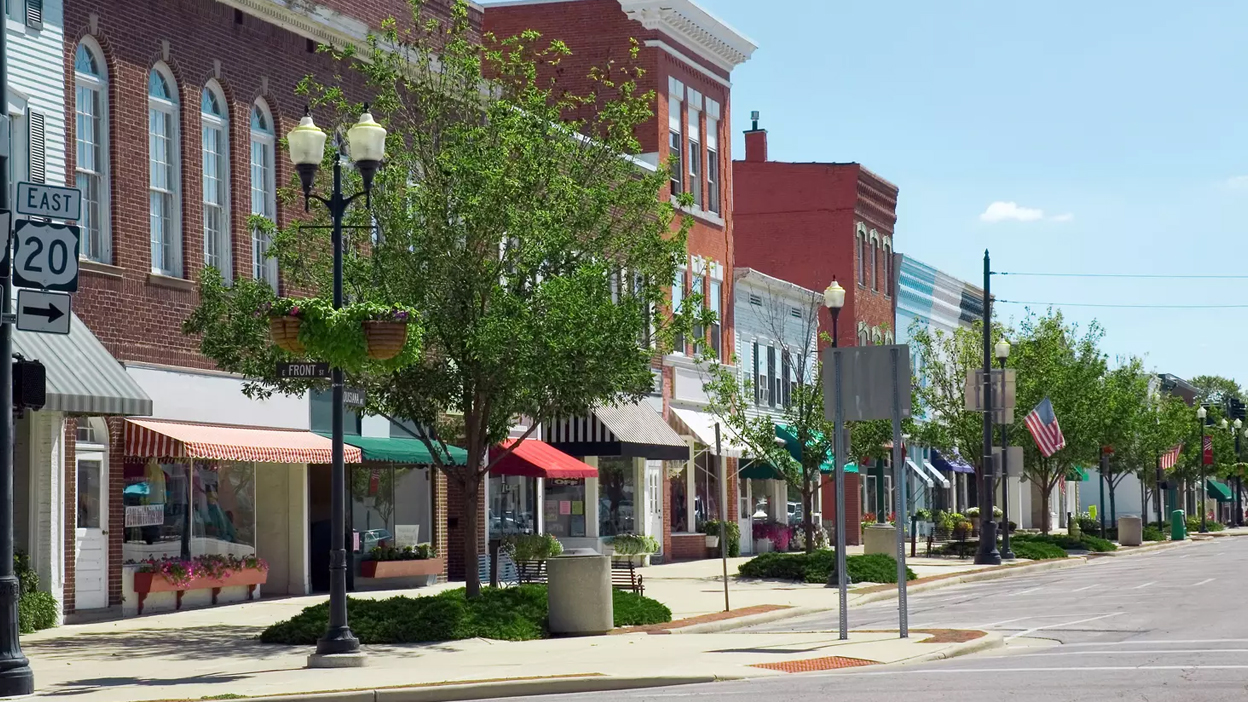
One fundamental way to frame your decision about where to live in Nebraska is to consider how your daily life unfolds and where its priorities lie. Nebraska’s urban, suburban, and rural settings offer distinct rhythms that shape everyday experiences.
Urban areas like Omaha and Lincoln are marked by a faster pace and a concentration of amenities within reach. Residents enjoy immediate access to retail stores, arts and cultural institutions, parks such as Antelope Park and the Sunken Gardens, as well as sports venues. These environments tend to attract young professionals, active families, and those who place convenience and social vibrancy high on their list. If your days thrive on having a wide range of activities and services close by, urban living may resonate with you.
Suburban neighborhoods often strike a balance between the bustle of the city and the calm of the countryside. These areas provide proximity to urban amenities while fostering quieter residential environments. Suburbs typically offer family-oriented schools and cater to moderate levels of community involvement, making them appealing to those who seek both convenience and a peaceful setting. The pace here is measured — not as hectic as downtown, yet more connected than rural areas.
Rural and exurban regions bring a different tempo. Characterized by open spaces, privacy, and a closer relationship with nature, these areas appeal to those who prefer a slower daily rhythm. Small towns and farming communities emphasize neighborliness and a strong sense of community, though with fewer amenities immediately on hand. The trade-off is clear: less convenience, but more space and quiet, often with ample opportunities for outdoor activities like hiking and river kayaking. If your daily priorities include solitude, land, or a natural setting, rural Nebraska offers these deeply.
No setting is inherently better than another; rather, the question is how each lifestyle aligns with your or your family’s daily routines and expectations. Understanding your own preferences for convenience versus quiet, accessibility versus open land, will guide you toward a part of Nebraska where life feels natural.
Geography and Regional Differences in Nebraska
Nebraska’s geography profoundly shapes the lived experience beyond just whether a location is urban or rural. The state features rolling prairies, significant rivers, unique Sandhills formations, and large lakes like Lake McConaughy. These geographic features influence everything from the kind of outdoor recreation available to the regularity of seasonal and unexpected severe weather.
Meanwhile, rural and exurban locations emphasize strong neighborliness and time-honored Midwestern hospitality. Social interactions tend to be slower and more intimate, with community events reflecting longstanding traditions. This atmosphere suits individuals who cherish deep connections over broad networks.
The size and intensity of social environments significantly influence comfort and belonging, so clarifying your social needs—whether active community engagement or more private, close-knit relations—is a vital step.
Short-Term vs Long-Term Living Considerations
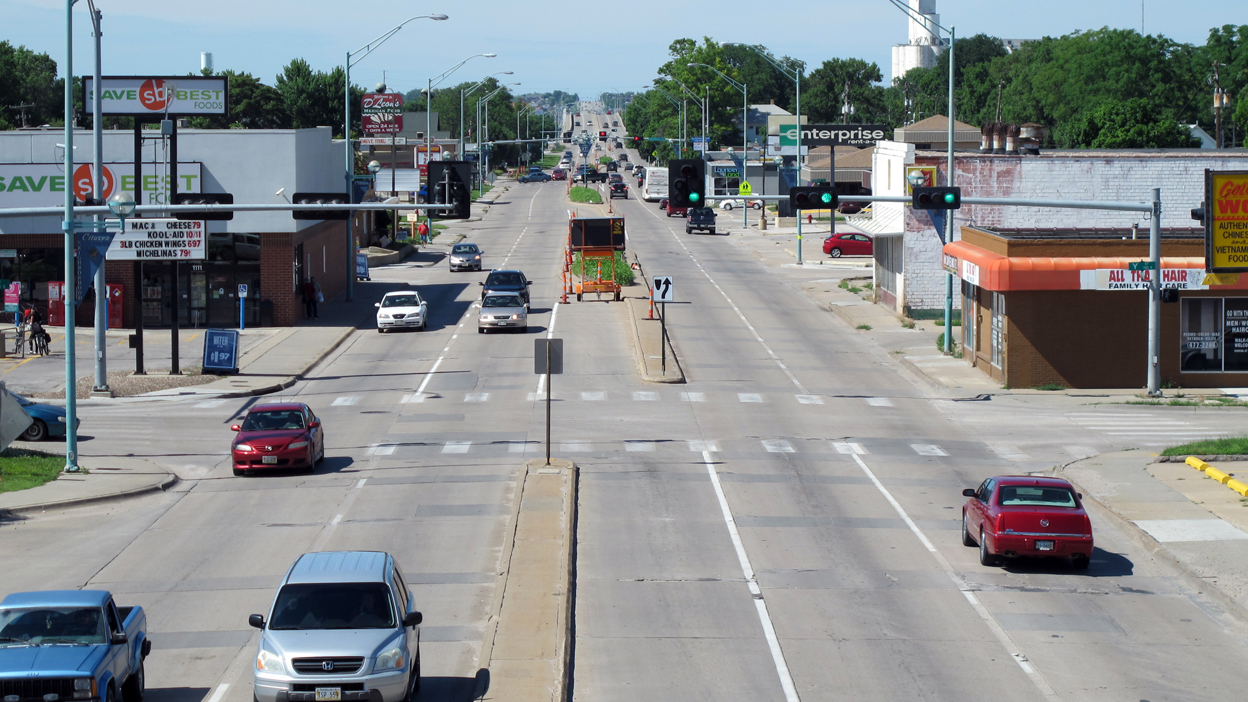
Knowing your intended length of stay can refine your location decision. Short-term residents often prioritize convenience and flexibility, favoring proximity to work, schools, and easy access urban or suburban amenities. This approach supports adaptability and quick immersion into new surroundings.
Long-term plans may favor the stability, space, and rhythm offered by rural or exurban living. For families, growth, school quality, and local services become increasingly significant. Yet longer horizons also demand forward-looking considerations, as rural economies and infrastructure can evolve, sometimes unpredictably.
Remote work trends, demographic shifts, and evolving child care options all influence the practical longevity of a chosen location. Being mindful of change and how it might affect your habitat and lifestyle encourages openness and flexibility in making this choice.
Practical Ways to Narrow Down Your Options
One of the most effective approaches to narrowing where to live in Nebraska starts with self-assessment. Reflect carefully on your values related to pace, space, job needs, social preferences, and financial considerations like the Nebraska cost of living. Prioritize these factors internally before diving into specific places.
Next, visit potential neighborhoods or towns at varying times, including weekdays and weekends. Observing commute patterns, community activity, and environmental rhythms first-hand provides insights beyond what statistics or descriptions offer.
Patience is essential. Allow yourself the space to experience different environments without rushing to conclusions. Balancing the privacy of rural settings with suburban moderations may require time to weigh impressions carefully.
Finally, consider how each location aligns with both your present circumstances and how those might shift over time. This broader mindset allows for better adaptability and satisfaction in the years ahead.
Conclusion
The decision of where to live in Nebraska cannot be distilled to a simple answer or a definitive list of best places to live in Nebraska. It unfolds at the intersection of personal lifestyle choices, practical concerns, and the distinctive characteristics of local environments stretching from prairie openness to city energy.
Understanding yourself—your daily rhythms, work situations, social needs, and financial priorities—guides a more mindful exploration of Nebraska’s varied settings. With calm reflection and openness to experience, the process of finding a place that truly feels like home becomes a meaningful journey rather than a race.
Nebraska’s diversity, in both geography and community, invites individuals to discover what fits best for them, holding space for changing needs and evolving life stages along the way.