
Deciding where to live in New Jersey is a deeply personal journey shaped foremost by individual lifestyle preferences and priorities. It goes beyond relying on external rankings or lists of the best places to live in New Jersey, which often highlight popularity or market trends but rarely capture what truly fits one’s day-to-day life.
New Jersey’s living environments are remarkably diverse. The state stretches from bustling urban centers thrumming with energy to quiet suburban neighborhoods offering space and privacy, and even to rural areas where nature and slower rhythms prevail. Each of these environments offers distinct lifestyles, and making a choice requires thoughtful consideration of how well a location supports your unique needs and values.
This post delves into frameworks for evaluating where to live in New Jersey based on lifestyle compatibility rather than popularity contests. It highlights key factors such as daily lifestyle rhythms, geographic context, economic practicalities, financial trade-offs, social environments, and long-term living considerations. Whether you imagine yourself amid urban vibrancy, suburban calm, or rural tranquility, the goal is to help you reflect on the practical and personal dimensions that matter most.
Daily Lifestyle Priorities: Urban, Suburban, and Rural Living in New Jersey

When choosing your ideal place in New Jersey, understanding the daily lifestyle implications of urban, suburban, and rural settings is essential. Each type of environment fosters a different rhythm, convenience level, and connection to community and nature.
Urban living in New Jersey means embracing walkability and proximity to rich cultural amenities. Cities such as Newark, Jersey City, or Hoboken offer immediate access to restaurants, museums, theaters, and entertainment hubs. The buzz of city life supports spontaneous socializing and diverse experiences. However, these benefits often come with trade-offs: personal living spaces tend to be smaller and green, open areas less abundant. Residents might find that outdoor escapes require planning or travel.
Suburban communities provide a middle ground. They tend to offer larger homes, private yards, and quieter streets while retaining reasonable access to urban conveniences. This balance can be ideal for those valuing personal space without isolation. Towns that blend rustic charm with proximity to city centers allow for a lifestyle where evenings might be peacefully spent at home, but weekend trips to cultural events remain seamless. Suburban living encourages privacy and the opportunity to customize your surroundings with gardens or home improvements.
Rural living in New Jersey reflects a slower pace closely tied to nature and the state’s agricultural heritage. These areas provide space and quiet that urban and suburban locales usually cannot match. Yet they come with practical considerations: local job opportunities can be sparse and often oriented around agriculture or small-scale services. Residents may face longer commutes or fewer convenient amenities. The lifestyle here is often ideal for those who prioritize solitude or outdoor living but should be chosen with awareness of these limitations.
None of these environments is inherently better—they simply offer different fits for varied lifestyles. Where to live in New Jersey depends largely on the daily experiences you seek, from the convenience of city services to the calm of countryside rhythms.
Geography and Regional Differences: Understanding New Jersey’s Varied Landscape
New Jersey’s geography plays a critical role in shaping lifestyle options. The state is unique in its polycentric urban structure, with clusters of development linked closely to two major metropolitan hubs. The northeastern areas function as suburbs and exurbs of New York City, while southwestern parts are more connected to Philadelphia’s metropolitan reach. These regional axes influence commuting patterns, cultural influences, and local economies.
Coastal geography adds another layer of differentiation. Living near the shore means access to water-related recreation like beaches and boating. Coastal towns provide outdoor living experiences shaped by tides and waterfront vistas. Inland locations, by contrast, often offer forest preserves, parklands, and trails that support hiking, cycling, and other nature-based activities. Your preference for ocean vistas or wooded landscapes will steer the character of your neighborhood.
Rural parts of New Jersey offer quieter social settings, often with a focus on solitude or nature connection. While social infrastructure may be limited, these areas provide meaningful interactions grounded in local traditions and slower life rhythms.
New Jersey’s municipal fragmentation also means social, economic, and racial diversity can vary sharply from town to town. Some communities reflect historical divides and economic disparities, making the cultural makeup an important factor to consider for comfort and belonging.
Reflecting on your desired social tempo and community character enables a better evaluation of where to live in New Jersey, ensuring your chosen environment supports a lifestyle where you feel at ease.
Short-Term Versus Long-Term Living Considerations
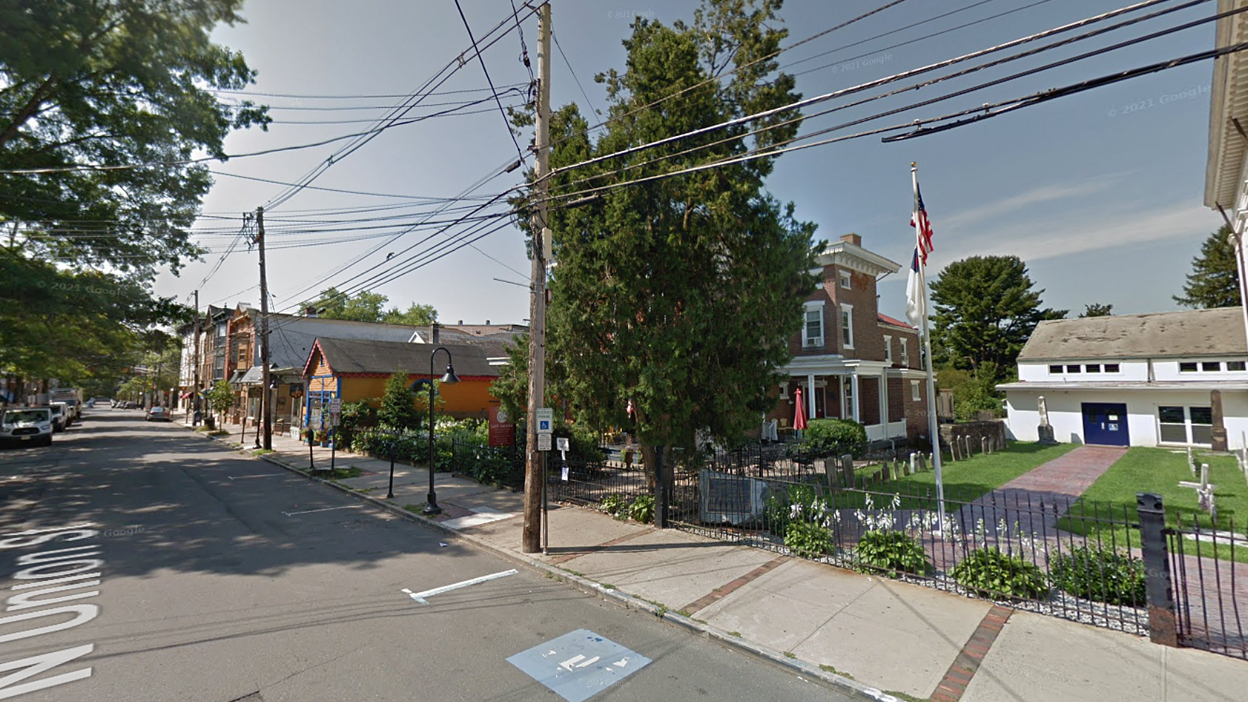
Your timeframe for living in a new place significantly shifts how you prioritize features and trade-offs. Temporary relocation often demands flexibility and convenience, while permanent settlement emphasizes stability and investment.
Urban apartments or short-term leases in suburban settings can accommodate temporary stays well, offering an accessible and low-commitment way to experience a community. These arrangements appeal to professionals on limited assignments or those exploring the region.
By contrast, long-term residency typically calls for homeownership considerations, community involvement, and amenities that support evolving life phases such as growing families, career changes, or retirement planning. Suburban locations often provide flexibility in home size and neighborhood stability suited for these transitions. Rural and urban settings present different adaptability profiles depending on lifestyle and employment needs over time.
Anticipating shifts in priorities — for instance, moving from single life to family-focused routines or from commuting to remote work — helps frame present choices within a broader context.
Whether your move is short or long-duration, understanding how your needs may change ensures that the lifestyle alignment remains flexible and sustainable.
Practical Ways to Narrow Down Your Options in New Jersey
Making a thoughtful decision boils down to clear self-assessment and deliberate exploration. Begin by identifying what truly matters day to day and what future expectations you hold. Ask yourself if proximity to cultural venues, ease of getting around, outdoor access, community character, or affordability take precedence.
Spending time in potential neighborhoods is invaluable. Walk streets, visit local shops and parks, and observe the neighborhood rhythm at different times of day and week. This firsthand experience reveals how well the environment matches your lifestyle beyond surface appearances.
Look closely at subtle but telling signs: How well do residents maintain their properties? Are there welcoming public spaces? Does the pace of life feel energizing or draining? Notice how social interactions unfold and whether the transportation options align with your routines.
Patience is key. Avoid pressure to rush a decision. Quality-of-life choices benefit from measured deliberation and time to synthesize observations and feelings.
Through a sensitive and comprehensive exploration process, you’ll narrow the vast landscape of where to live in New Jersey into a choice grounded in authentic lifestyle fit.
Conclusion
There is no single correct answer when deciding on a place to call home in New Jersey. Instead, success lies in aligning practical needs—work, commuting, wallet considerations—with personal values and the social and geographic environment that feels most comfortable. Whether you lean toward urban pulse, suburban balance, or rural calm, the state’s diverse communities provide many viable options.
By approaching this decision with honesty, openness, and willingness to adapt as priorities evolve, you lay a strong foundation for finding a home that supports your life today and into the future. Trust your reflections and exploration to guide you toward a place that feels right for you, confident in your considered framework rather than external rankings or fleeting trends.