When considering living in Phoenix Arizona, many people find themselves curious about how life here flows compared with other cities in the state. This exploration is not about naming one place as better or worse, but rather understanding what it’s like to live amid the distinctive daily rhythms, experiences, and trade-offs that define Phoenix versus other Arizona cities. Whether it’s the pulse of the urban environment or the quieter charm of smaller towns, each locale offers its own sense of home. This reflection draws on the lived experience of residents to illuminate how choices around daily routines and lifestyle align with the varied settings across Arizona—a nuanced Arizona city comparison without competition or rankings.
How Daily Pace and Environment Differ when Living in Phoenix Arizona
Living in Phoenix Arizona means engaging with a city shaped by its sprawling urban size and bustling streets. The rhythm of daily life here moves with a kind of purposeful energy. Mornings often begin early, especially in the warmer months, as residents rise before the sun to avoid the extreme summer heat. Those early hours are prime time for outdoor activities such as hiking in nearby desert preserves, playing a round of golf, or enjoying festivals and markets scheduled for the cooler parts of the day.
By mid-afternoon, many retreat indoors, adjusting their routines to the environment’s demands.
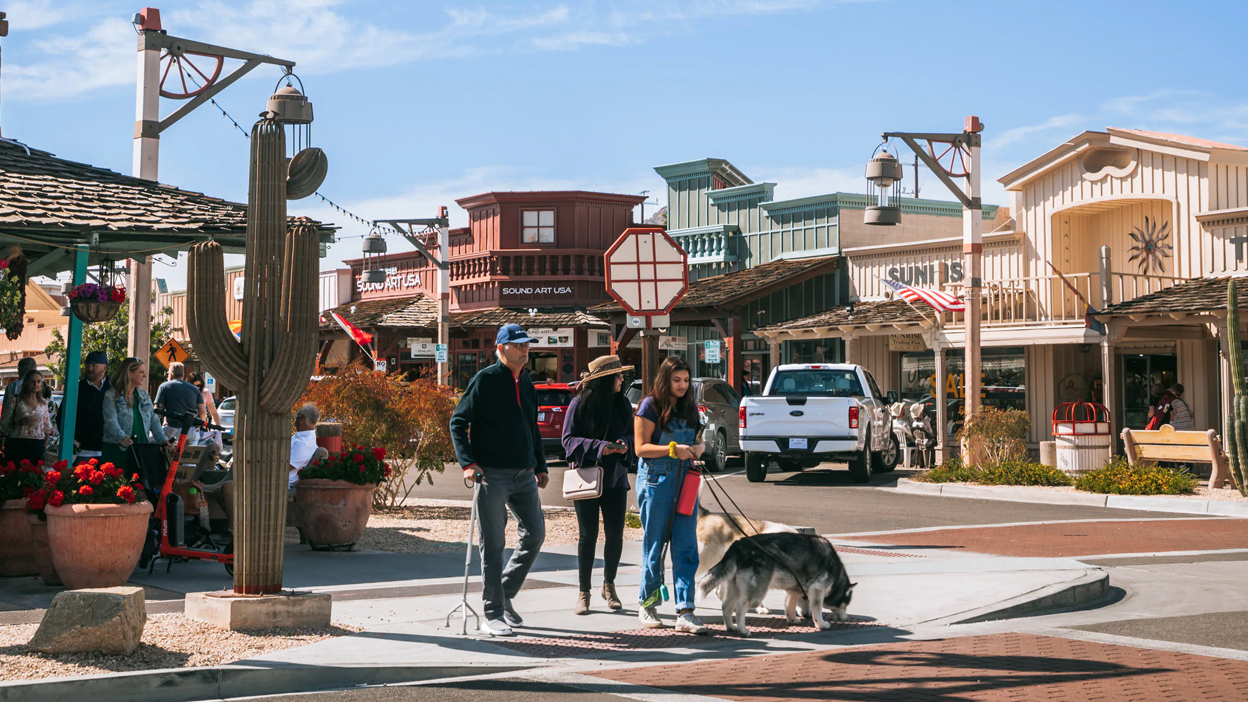
Contrast this with other cities in Arizona, where the pace tends to slow down. Smaller or mid-sized areas feature quieter streets and less density, with daily life unfolding at a more localized and gentle tempo. Here, mornings might start later, and the press of constant activity is less felt. The environment invites a sense of calm, where neighbors recognize one another and there’s less urgency in daily movement.
Environmental factors play a crucial role in shaping these experiences. Phoenix endures some of the state’s most intense summer heat, coupled with over 300 days of sunshine annually. This abundance of sunshine supports year-round outdoor pursuits but requires practical adjustments in when and how people engage with the outdoors. Other Arizona cities often benefit from their elevation or geography, offering milder summer temperatures and distinct seasonal shifts. These differences let residents spread out their activities more evenly across the day without as much need for heat-avoidance strategies.
This interplay between urban scale, climate, and outdoor lifestyle defines the distinct daily rhythms that characterize living in Phoenix compared with other Arizona locales. Understanding these nuances helps reveal what daily life might really feel like beyond simple rankings.
Housing and Space Expectations in Phoenix Versus Other Arizona Cities
One of the defining features of living in Phoenix Arizona is the diversity and expanse of its housing landscape. The city combines a high-rise downtown core with apartments and condos that place residents close to nightlife, dining, and cultural venues. Away from the urban center, sprawling suburban neighborhoods become the norm, offering larger homes, wide streets, and ample parking. This spatial openness grants residents room to spread out and privacy, creating a lifestyle where both personal space and drive-time distances shape daily life.
However, this expansiveness carries a trade-off. The physical distances between homes, shops, and workplaces can sometimes foster feelings of isolation or disconnection in day-to-day interactions. Neighbors might not see one another frequently unless effort is made to connect beyond the front porch. This experience contrasts with smaller Arizona cities, where housing often trends toward more compact or town-centered living. In these settings, homes sit closer together, neighborhoods feel tighter knit, and walkability tends to be higher. This proximity encourages more frequent social encounters, spontaneous conversations, and a stronger sense of belonging through neighborly interaction.
Alternatively, other Arizona cities foster slower-paced, more intimate social atmospheres. Community-centered events, neighborhood-driven programs, and local traditions cultivate bonds that form through familiarity and consistent neighborhood presence. Social interactions here often deepen through ongoing relationships rather than broad event participation.
The differing social tempos impact not just when and where people connect, but the quality and type of social networks that flourish. Phoenix offers the possibility of multiple social circles and energetic communal experiences, while smaller towns emphasize continuity, regularity, and neighborly closeness in social life.
Recognizing these contrasts helps someone weigh what kind of social atmosphere aligns best with their personal comfort and needs for connection.
Who Phoenix Tends to Suit Best Among Arizona Cities
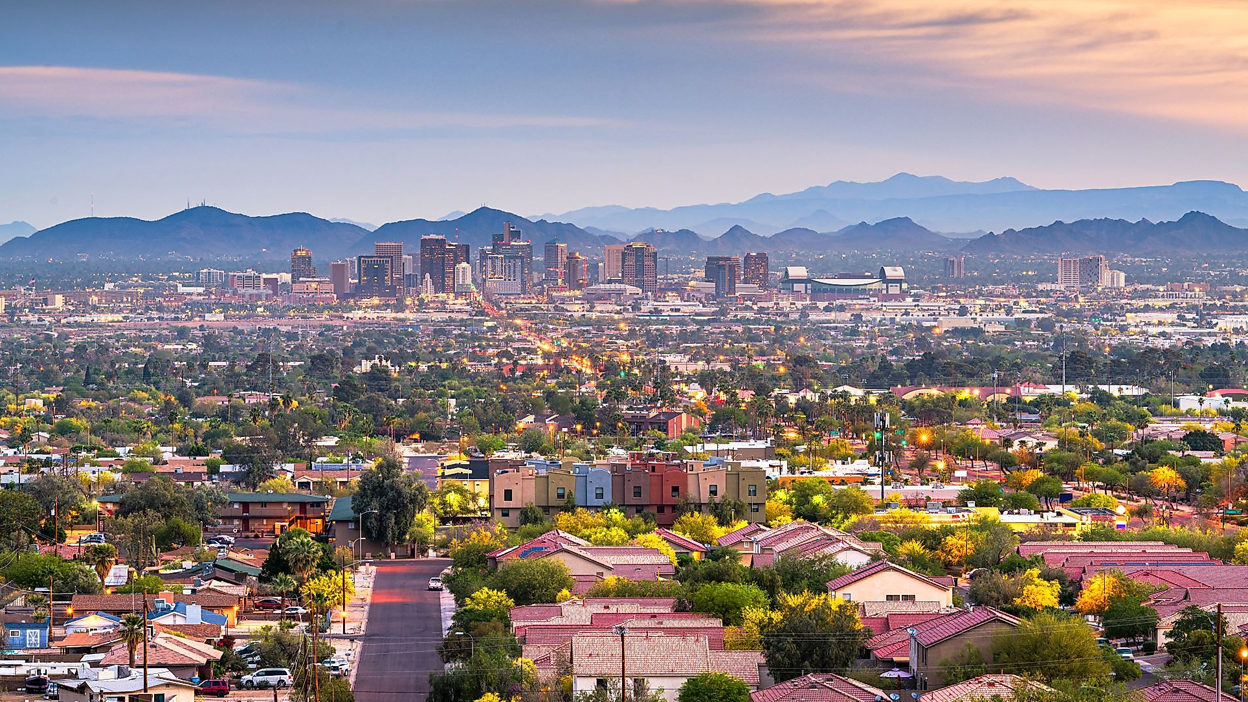
Reflecting on these lifestyle patterns reveals who might feel most at home living in Phoenix Arizona. The city generally appeals to people who seek a livelier, urban environment bustling with amenities, cultural activities, and access to nature all within reach. Active individuals and families may appreciate the dynamic pace and variety that Phoenix offers—the blend of city life with opportunities for outdoor exploration.
Conversely, those drawn to quieter, more intimate settings often find the smaller Arizona cities more fitting. The slower rhythms, stronger community intimacy, and manageable scope of daily life here suit people prioritizing reflection, calm, and deeper social ties.
It is important to see these as general tendencies rather than strict categories. Many factors influence personal satisfaction, but the patterns help clarify how living in Phoenix versus smaller Arizona cities creates distinct lifestyle frameworks shaped by preferences for urban vitality or slower, community-centered living.
Conclusion
Choosing whether to live in Phoenix or elsewhere in Arizona largely comes down to individual priorities about daily rhythms, social preferences, movement patterns, and the feel of home. The urban vitality of Phoenix contrasts with the intimate pace of smaller cities, offering different but equally valid ways to experience life within Arizona’s diverse settings.
Approaching this choice as an exploration rather than a competition invites deeper reflection about what daily life and community feel right. What pace suits your mornings and evenings? How much space feels comfortable? What social tempo matches your needs? Considering these questions helps align personal lifestyle with the unique atmospheres found across Arizona’s cities.
Ultimately, living in Phoenix Arizona reveals a city with a distinctive rhythm shaped by sun, sprawl, and diversity. Other cities provide complementary settings where quieter, close-knit life unfolds differently. Both types of places contribute to the rich mosaic of life in Arizona, offering choices as varied as the state’s landscapes themselves.