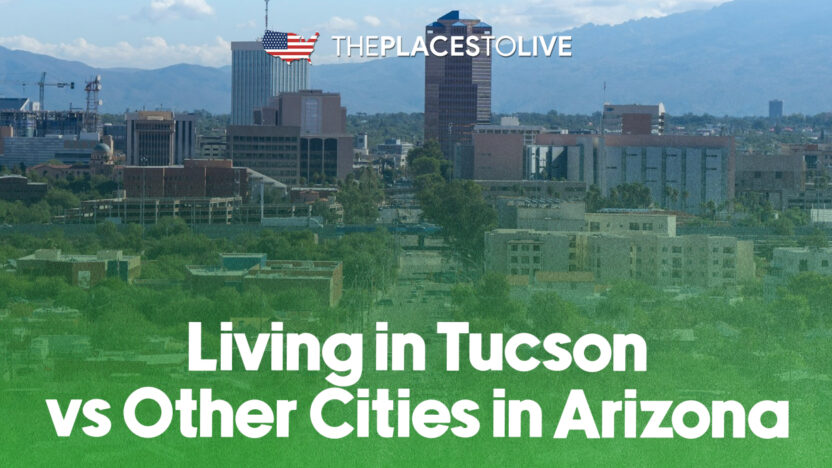
Deciding where to live in Arizona is a deeply personal choice. It goes beyond simply weighing objective markers or comparing cities on a list. Instead, it hinges on how the daily rhythms, environment, and community align with one’s own lifestyle priorities. The question of living in Tucson vs other cities in Arizona invites an exploration of distinctive lived experiences rather than a race to pick a “better” location.
By understanding the unique atmosphere and environment that shape everyday life in Tucson—and contrasting that with the diverse contexts found elsewhere in the state—those considering relocation or lifestyle changes can identify where they may feel most at home. This article offers a calm, reflective view of how Tucson’s lifestyle differs in meaningful ways from various other communities in Arizona through the lens of daily life and personal fit, not rankings. It aims to provide an insightful Arizona lifestyle comparison based on observation and lived reality.
How Daily Pace and Environment Differ
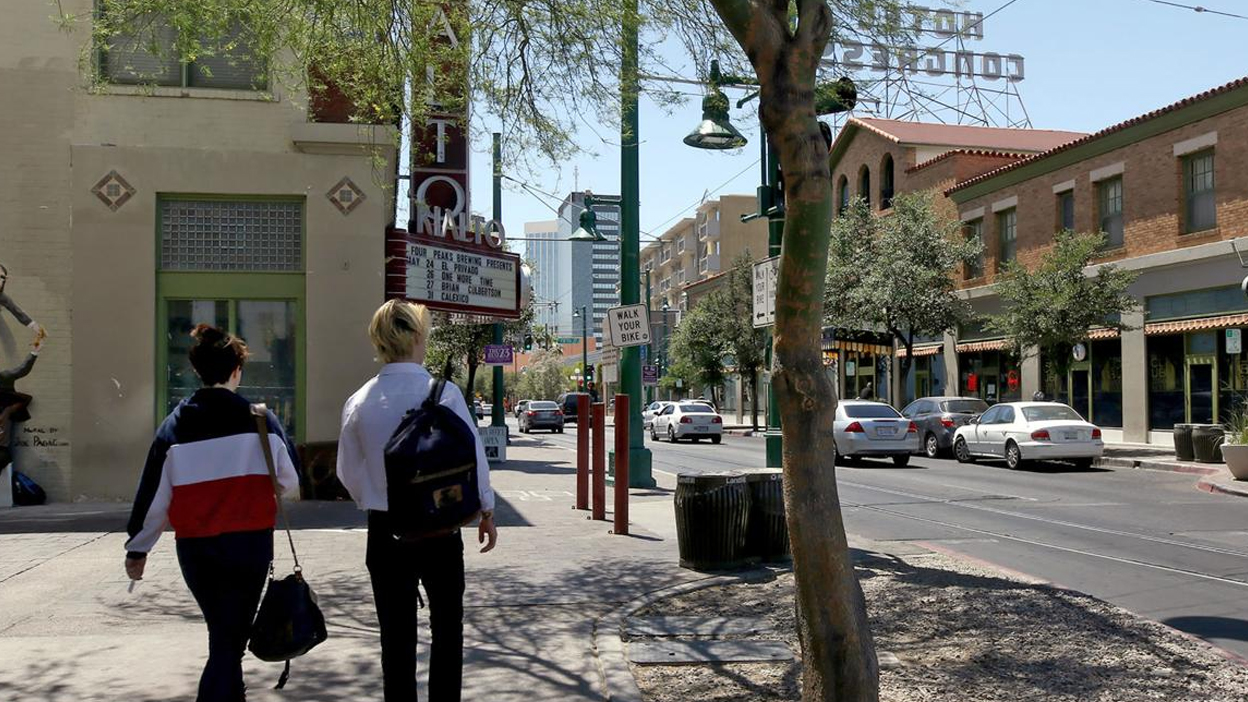
One of the most defining features of living in Tucson Arizona is the city’s relaxed, unhurried pace. The daily rhythm here often feels intentionally slow, with what some might describe as a “resort style” calmness. This peaceful atmosphere encourages residents to live deliberately—favoring quiet reflection, outdoor enjoyment, and a slower unfolding of daily moments.
Tucson’s distinctive environment plays a huge role in this feeling. Set against the dramatic backdrop of the Sky Island mountain ranges, the city is surrounded by stunning desert landscapes. These natural surroundings provide a persistent reminder of openness and space. In addition, Tucson’s adoption of strict Dark Sky ordinances makes a profound impact on how residents experience nighttime. The result is some of the clearest, starlit skies in the country—a rare urban feature that softens the hard edges of city life and nurtures a subtle connection to the vast cosmos.
Elsewhere in Arizona, the pace of life and environmental setting vary widely. Some communities embrace a livelier, bustling energy driven by denser urban development and the fast rhythms of business districts. Others offer quietness too, but with different geographic characters such as mountain towns or sprawling suburbs that bring their own tempo and outdoor lifestyles. These variations affect how people structure their days, how much time they spend outdoors, and their general mood.
Rather than one city being “better” at daily pace and environment, it is about recognizing how these factors influence personal well-being and daily structure. In Tucson, the rhythm often invites unhurried mornings, early evenings spent beneath star-filled skies, and weekends devoted to outdoor exploration. This may suit those who seek balance and calm amid natural beauty—a distinct contrast with more urbanized or differently paced Arizona locales.
Housing and Space Expectations
Living in Tucson Arizona means engaging with a residential character that blends diversity with a cohesive community feel. Neighborhoods range from those steeped in historic charm near the University of Arizona—where tree-lined streets and older architectural styles evoke a sense of heritage—to pockets of family-oriented developments offering easy access to parks, biking trails, and recreational spaces.
Many Tucson communities belong to homeowners associations (HOAs), which help shape the look and feel of neighborhoods through rules on landscaping and parking. This creates a sense of visual and spatial uniformity that some residents find comforting. Amenities such as pools, playgrounds, and clubhouses funded by HOAs further encourage neighborly interaction and foster community cohesion.
Tucson’s geographic context—a city encircled by mountains and sprawling desert—also deeply influences housing form. Homes tend to incorporate outdoor living spaces, patios, and thoughtful landscaping designed to blend with the natural surroundings. This spatial layout prioritizes openness and encourages residents to enjoy the outdoors daily. Compared to denser urban housing seen in some other Arizona communities, Tucson often offers more breathing room and a stronger connection to nature woven into residential life.
Community infrastructure supports this ethos through accessible social spaces such as pickleball courts, tennis facilities, gyms, botanical gardens, and dining districts. The Chuck Huckelberry Loop itself acts as a social artery where residents connect spontaneously through shared active pursuits, free from vehicle interruptions.
Tucson’s unique cultural identity further extends to the stars. Known as the astronomy capital of the world, the city offers distinctive community experiences around the night sky. The Mt. Lemmon SkyCenter, along with public sky tours, provides opportunities for both casual stargazing and scientific engagement, creating a shared sense of wonder and belonging rooted in the environment’s natural grandeur.
Meanwhile, other Arizona communities reflect different social dynamics, ranging from urban centers with fast-paced cultural scenes to towns shaped by industries distinct from wellness or gastronomy. These variations influence how people encounter neighbors, form friendships, and participate in communal life.
In this context, living in Tucson vs other cities in Arizona means encountering social atmospheres tailored by unique cultural anchors and lifestyle orientations. Tucson’s community character leans toward inclusivity and lifestyle alignment around wellness, outdoor activity, and cultural curiosity, forming bonds that resonate with residents’ values.
Who Tucson Tends to Suit Best
Tucson naturally aligns with individuals and families who prioritize wellness, mindfulness, and longevity as cornerstones of daily life. Those drawn to active outdoor living—whether hiking mountain trails, cycling extensive paths, or soaking in desert sun—often find a satisfying rhythm here.
The city appeals to culturally engaged residents who appreciate culinary diversity and scientific pursuits, especially as related to astronomy and local traditions. People who prefer a deliberate, relaxed pace over fast metropolitan energy are likely to resonate with Tucson’s daily flow.
An affinity for natural beauty and environmental stewardship is fundamental for those who feel at home among the Sky Islands and desert expanses, appreciating the balance between urban amenities and wilderness access. Tucson’s accessible social infrastructure and community-oriented housing foster connections without the intensity of dense metropolitan culture.
Conversely, individuals whose lifestyle priorities lean toward fast urban career paths, dense metropolitan living, or climates markedly different from southern Arizona’s desert may find greater alignment elsewhere in the state’s diverse urban and suburban environments.
Choosing to live in Tucson involves considering how its environmental, social, and cultural offerings match personal values around pace, well-being, and community connection. It is less about which city is “best” and more about which lifestyle configuration creates a true sense of belonging.
Conclusion
The decision of living in Tucson vs other cities in Arizona reflects powerful, personal choices about daily rhythm, environment, social life, financial balance, and the lived experience of place. Arizona’s cities span a wide spectrum of lifestyles and settings, each providing unique combinations of pace, culture, and atmosphere.
Tucson’s distinctive identity emerges from its blend of relaxed living, access to natural beauty, integrative wellness culture, culinary richness, and unique astronomical heritage. Other Arizona communities offer equally valid but different lifestyle compositions shaped by their own environments and cultures.
Approaching this decision with reflection and openness—recognizing the richness and diversity in Arizona’s urban tapestry—enables prospective residents to find where their own sense of belonging and comfort will grow. Appreciating living in Tucson vs other cities in Arizona through this lens offers a thoughtful, human perspective on what home truly means in the context of place and daily life.