Moving to Miami often conjures images of endless sunshine, sandy beaches, and vibrant nightlife. But what to expect when moving to Miami extends beyond these postcards to include the nuanced realities of adapting to a tropical monsoon climate and the city’s distinctive urban pace. The initial adjustment phase involves acclimating both physically and mentally to the persistent heat, humidity, and the rhythms of day-to-day life here.
For anyone moving to Miami, understanding these realities can ease the transition. This post focuses on the concrete challenges and subtle emotional experiences encountered during the first months of living in Miami, providing a grounded perspective to help you prepare for life under the tropical sun.
The First Weeks – Initial Impressions and Reality Checks
One of the most immediate things you notice when moving to Miami is the climate. Miami experiences a tropical monsoon climate characterized by hot summers and high humidity levels that create a thick, muggy atmosphere. Daytime highs in the summer frequently reach near 91°F (33°C), but it’s the persistent humidity—averaging around 73% annually and peaking near 84% in the early mornings—that shapes how the heat feels. This combination results in a heavy air sensation that lingers well into the night, making the muggy weather last for about 7.8 months, from April through December.
Humidity in Miami isn’t just warm air; it’s a physical presence that causes clothes to cling uncomfortably and leaves a dampness that can feel oppressive. This “mugginess” challenges the body’s natural cooling mechanisms, which is why many firsthand experiences describe the air as thick or heavy. Even when temperatures drop slightly during the evening, the elevated dew points keep the air feeling sticky and slow.
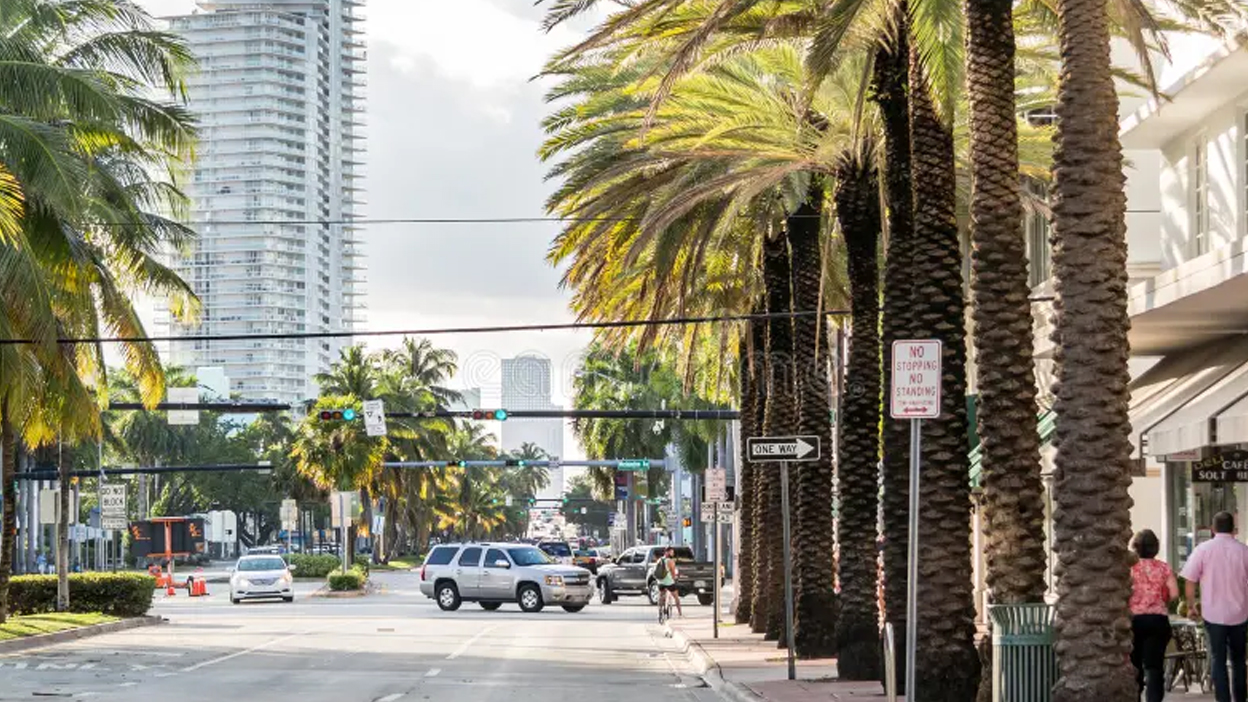
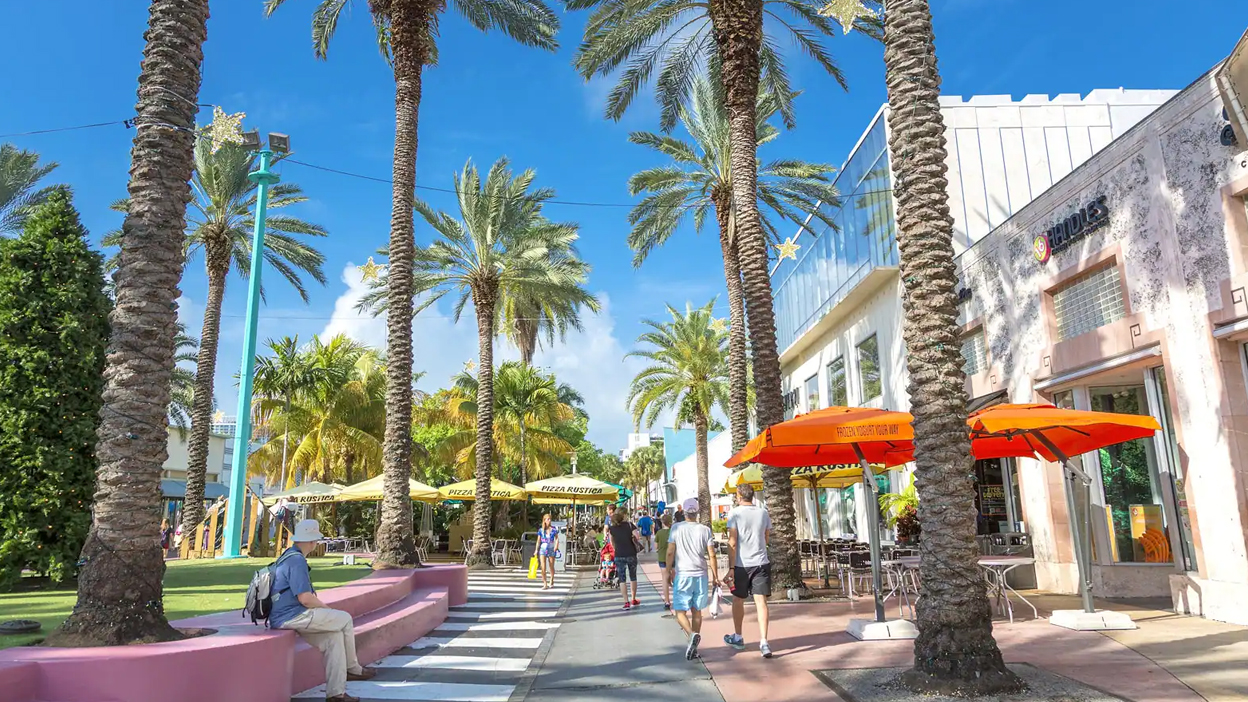
Miami’s public spaces buzz with an unmistakable energy. The fast, urban pace is punctuated by constant traffic noise, the vibrant nightlife of districts like South Beach, and the salty ocean breeze mingling with city scents—from street food aromas wafting from food trucks to the exhaust of endless vehicles. Walking down congested city streets, you experience a sensory collage that fluctuates between invigorating and overwhelming.
Summer also ushers in a rainy season spanning mid-May to October. Daily afternoon thunderstorms hit regularly, briefly cooling the atmosphere but ultimately raising humidity levels further throughout. These sudden downpours can sometimes feel intense, quickly soaking streets and increasing humidity, complicating outdoor plans.
Miami’s cold weather is minimal, with only a few cool nights each year falling below 50°F (10°C). The city’s sprawling urban layout presents an additional challenge for newcomers. Neighborhoods spread out, often separated by broad highways that can create disorientation. The city’s coastal location means ocean breezes occasionally provide relief, but they do little to counteract the amplified “feels like” temperatures, which often surpass 100°F due to moisture in the air.
Wind averages around 9.2 mph in Miami, peaking in April, delivering some coastal air movement. However, these breezes usually lack the cooling power to fully offset the intense humidity, leaving the heat’s presence unmistakable.
Understanding these early realities is vital for managing expectations during the first weeks of living in Miami.
Moments of emotional reprieve align with Miami’s mild winters. Cooler temperatures, which rarely dip below 60°F, offer a natural break from the muggy intensity of summer. These intervals serve as restorative phases permitting renewed optimism and physical comfort.
The path to emotional balance is gradual. As the body and mind adjust to Miami’s tropical conditions and urban rhythms, confidence builds. Living in Miami involves realistic acceptance of this ebb and flow rather than expecting a seamless transition.
How Long It Usually Takes to Feel Settled Living in Miami
Settling into a new city like Miami is less a fixed milestone and more a continuous process. The duration needed varies widely from person to person and depends on several factors tied closely to climate adaptation.
Tolerance for heat and humidity strongly influences how quickly one feels comfortable. Those who embrace routines that complement the weather—like scheduling activities during less oppressive times—and who engage actively with local communities often find an easier path to normalcy.
The city’s seasonal variations play an important role. The dry winter months, with reduced humidity and more temperate conditions, often accelerate newcomers’ sense of being settled.
Ultimately, living in Miami unfolds uniquely for each individual, with adjustment deepening in stages rather than following a preset timeline.
What Helps the Transition Feel Easier When Moving to Miami
Easing the relocation experience to Miami hinges on adopting practical mindsets and habits tailored to its distinct lifestyle and climate.
- Scheduling outdoor or physical activities for early mornings or after thunderstorms leverages naturally cooler and slightly less humid conditions, while evenings during these times provide a respite from the day’s heat.
- Taking advantage of sea breeze windows—especially in April when winds are stronger—introduces intermittent physical relief, helping with comfort in outdoor settings.
- Patience and self-compassion are crucial. Accepting that 7 to 8 months of muggy weather impose unavoidable physical discomforts reduces frustration and maintains realistic expectations.
- Embracing Miami’s pace means appreciating gradual integration through small environmental and cultural discoveries. Rather than rushing, exploring neighborhoods, local events, and seasonal variations incrementally supports a smoother transition.
Conclusion
What to expect when moving to Miami is a balance of excitement and challenge. Initial feelings of discomfort and social isolation are common and entirely normal during the first months of living in Miami. These experiences are not reflections of personal failures or poor choices but natural steps in adapting to a tropical, urban environment.
Understanding these realities before and during relocation prepares you mentally and physically, fostering resilience. Embracing the personal, evolving nature of adjustment allows for steady growth. With time, patience, and openness, the city’s tropical rhythm and diverse culture reveal rewarding living experiences.
Moving to Miami means navigating contrasts—from sunshine to storms, energy to quiet moments—and finding your place in a unique, dynamic urban landscape.