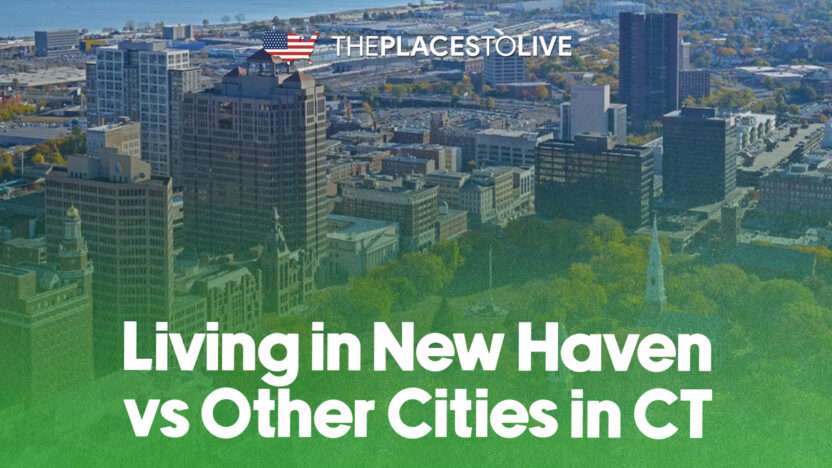
Connecticut offers a rich variety of living experiences that go far beyond labels or rankings. When thinking about living in New Haven Connecticut compared to life elsewhere in the state, it’s less about which place is better and more about how the rhythms of daily life, community environments, and lifestyle choices differ. From the vibrant academic and cultural pulse of New Haven to the quieter, more spread-out suburban and rural towns close by, the state showcases a wide range of ways people organize their lives.
New Haven holds a unique place in Connecticut’s landscape, rooted in its identity as a college town centered on Yale University. This injects a constant flow of cultural events, intellectual energy, and urban vitality that influence the pace and feel of life. Yet, Connecticut’s geography—with most cities, towns, and villages located relatively near each other—means that within a short drive or train ride, one can find a completely different environment, whether a coastal town’s waterfront leisure, a suburban family neighborhood, or a rural area surrounded by nature.
Understanding the Connecticut lifestyle means appreciating how these environments shape daily practices and priorities. This conversation about living in New Haven vs other cities in Connecticut invites reflection on how much the physical setting and social fabric influence what “feeling at home” looks like, making place a matter of personal fit rather than simple judgment.
How Daily Pace and Environment Differ
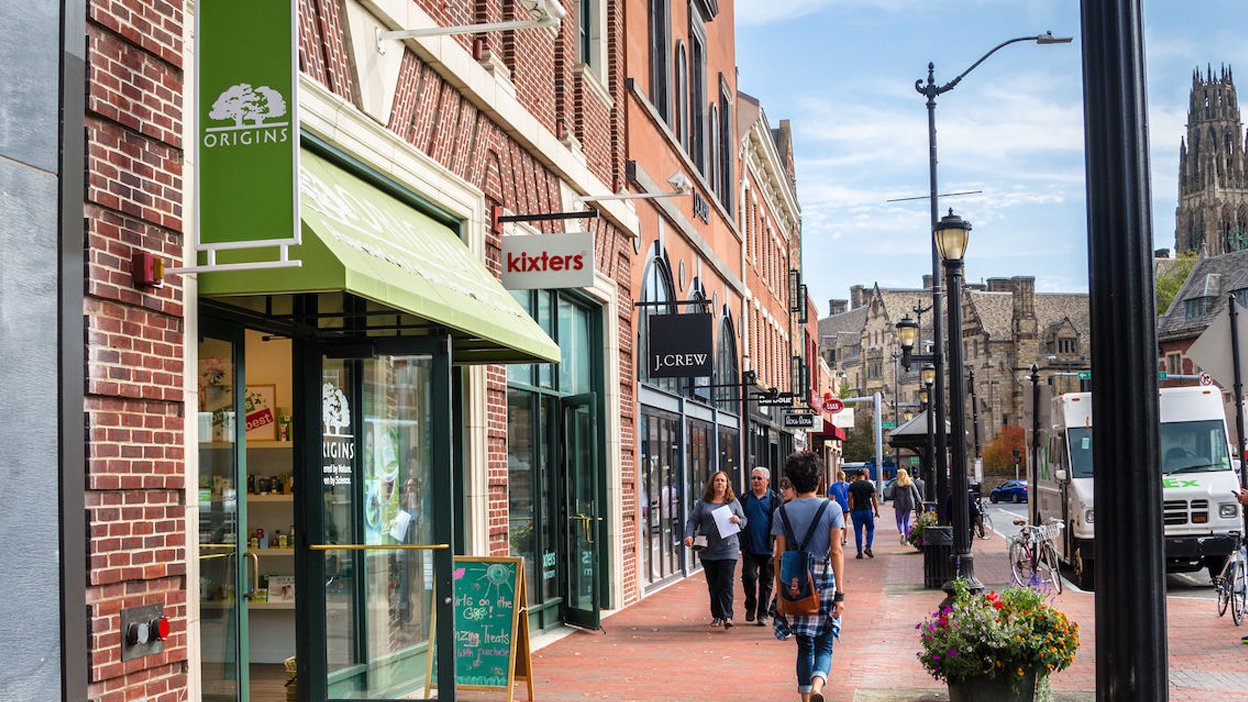
Life in New Haven is strongly influenced by its academic calendar and urban character. The city hums with cultural programming linked to Yale University—lectures, performances, gallery openings, and festivals pepper each week, creating a lively backdrop. This, combined with mid-density urban living, makes New Haven a place where people experience constant street-level life. Sidewalk cafes, independent bookstores, and diverse restaurants invite frequent walks and spontaneous social moments. Residents often find that their days unfold with incidental encounters in bustling neighborhoods, where cultural and intellectual pursuits are just part of the fabric of everyday movement.
In contrast, the daily experience in other Connecticut towns takes on markedly different rhythms shaped by their environmental contexts. Coastal communities bring a seasonal ebb and flow tied to the water, beaches, and outdoor leisure. Days there often feel more tied to natural light and weather patterns, with a slower summer pace centered around waterfront eateries and boardwalk strolls, while winters can quiet considerably.
Suburban towns provide more predictable and quieter daily environments. Street activity tends to cluster around commercial centers, schools, and parks, creating focal points for local social life rather than continuous public bustle. These neighborhoods often feel orderly and settled, inviting a lifestyle where routine errands and social events are planned in advance and most travel happens via car.
Further removed, rural and nature-oriented communities in Connecticut shape days around family routines and outdoor recreation. Residents of these areas experience more solitude and intentional social interaction, often geared toward local institutions like schools or places of worship. The pace here tends to be gentler, with time outdoors in forests, fields, or parks integral to daily life.
These different ecological factors—urban density in New Haven versus coastal or rural openness elsewhere—drive how residents engage with their surroundings. The Connecticut lifestyle encompasses these varied daily paces, each offering distinct ways to balance work, leisure, and community.
Housing and Space Expectations
The housing landscape in New Haven reflects its combination of historic roots and urban vitality. Within this city, homes range from preserved Victorian and colonial-style houses to mid-century residential blocks and smaller apartment units. Living spaces often emphasize proximity to the city’s core cultural and economic activities rather than large private yards. For many, especially students, professionals, or smaller households, an apartment or townhouse close to workplaces, cafes, and parks fits their lifestyle preference for convenience and social engagement over expansiveness.
Coastal communities often build bonds through seasonal and water-focused activities, where social life concentrates around summer events, boating, and waterfront festivals. Rural towns cultivate intimate, multi-generational ties that emphasize long-standing neighbor relationships and family presence as central to connection.
These varied community atmospheres illustrate differing approaches to belonging. Urban New Haven constructs a vibrant social ecology emphasizing cultural density and frequent interaction, while suburban and rural Connecticut places prioritize intentional memberships and deep, familiar relationships. Neither represents a superior social model; rather, they cater to different personality types and needs within the diverse Connecticut lifestyle spectrum.
Who New Haven Tends to Suit Best
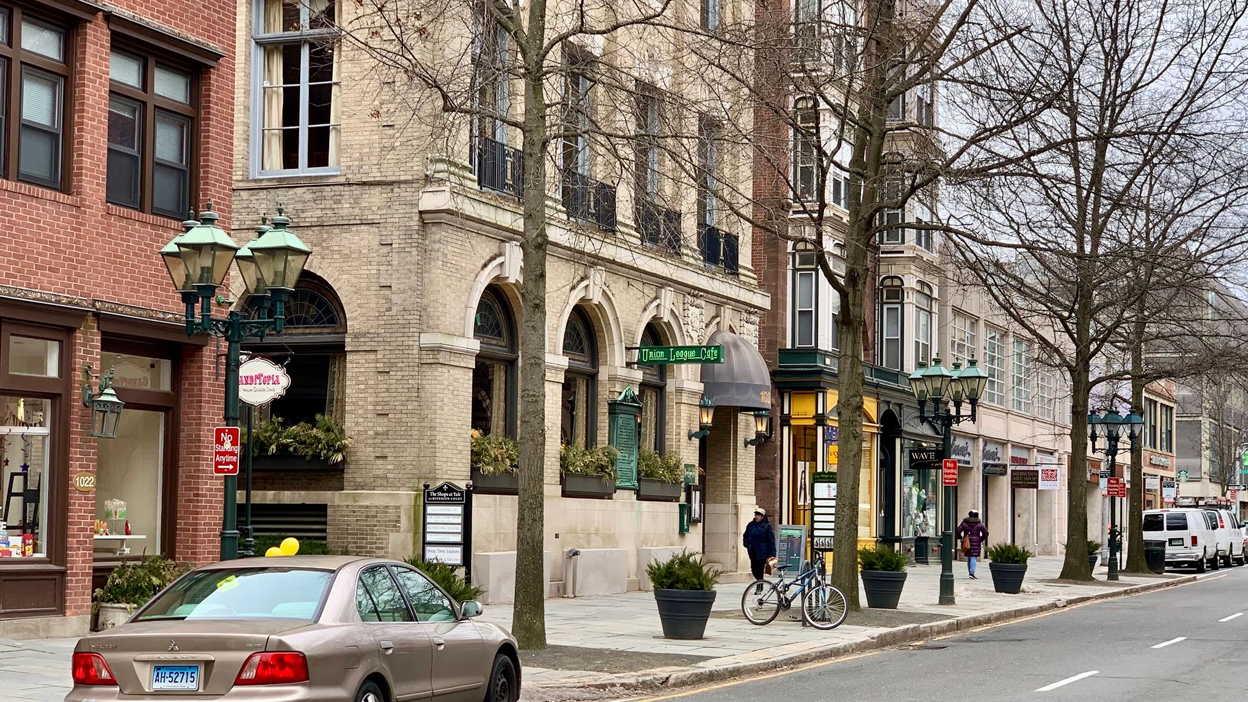
New Haven naturally appeals to those drawn to urban culture and intellectual engagement. Individuals and households valuing walkability, proximity to diverse communities, and spontaneous social opportunities often find this city suits their rhythm well. Frequent cultural events, a dynamic restaurant scene, and concentration of academic institutions create a pull for young professionals, graduate students, academics, and artists. These groups tend to prioritize access to amenities and social vibrancy over spacious living quarters.
Conversely, those whose priority is family space, suburban school systems, privacy, and natural surroundings frequently identify more comfortably with other towns in Connecticut. Suburban communities appeal to residents who prefer quieter rhythms, routines centered on neighborhood and school activities, and more extensive outdoor spaces. Likewise, coastal or rural locations attract individuals seeking seasonal leisure or immersion in nature.
Ultimately, lifestyle fit transcends simple categories. A person may intellectually appreciate New Haven’s culture but thrive in quieter suburban settings. Another may value outdoor access but prefer to live connected to civic activities found in smaller towns. What matters is aligning personal values around daily life, community style, work proximity, and physical environment with the place where someone feels most at home.
This nuanced perspective reflects the diversity among the best cities in Connecticut, showing that individual priorities shape which location fits best—not rankings or reputations.
Conclusion
Choosing between living in New Haven vs other cities in Connecticut is fundamentally a question of personal fit. It involves examining one’s values regarding daily rhythms, community life, work and movement patterns, and environmental preferences. New Haven represents one corner of the state’s living spectrum—urban, intellectually rich, and culturally dense. By contrast, many other communities in Connecticut offer quieter suburban peace, seasonal waterfront lifestyles, or rural tranquility.
None of these is inherently better or worse. Each embodies a distinct lifestyle trade-off and social texture. Recognizing these differences helps prospective residents focus on where their own life is most likely to flourish.
Before settling on a community, it’s useful to reflect on your ideal everyday:
Do you want to walk to cafes and cultural events?
Or is your day best shaped by family time in a spacious park-like yard?
Do you build social ties through spontaneous neighborhood interactions or through planned community activities?
Is work proximity and public transit important, or do you place higher value on privacy and outdoor space?
Connecticut’s blend of towns lets you match these preferences thoughtfully. The real question isn’t which city should rank highest, but which lifestyle within the state aligns most closely with your sense of home.
By focusing on such reflections, those considering living in New Haven Connecticut alongside other options in the state can better grasp how environment, culture, and daily routines intertwine to create their own unique sense of belonging within the diverse Connecticut lifestyle mosaic.