Choosing where to live in Washington is a deeply personal and nuanced process influenced by more than snapshots or popular rankings. The challenge of how to choose where to live in Washington goes beyond chasing lists of the best places to live in Washington; it requires a thoughtful reflection on what daily life means to you and your household. The state offers an impressive range of living environments—from the bustling urban hubs of Seattle, Bellevue, and Tacoma, to family-oriented suburbs like Sammamish and Bothell, extending to spacious rural communities nestled in Monroe, Sultan, and the Cascade foothills. These varied settings present different lifestyle promises and practical realities, tied closely to differing WA cost of living patterns. Understanding Washington’s diversity in community types is fundamental to focusing on lifestyle fit and personal priorities, steering clear of generic notions of “best” places that rarely capture individual needs.
Daily Lifestyle Priorities: Urban, Suburban, and Rural Living
One of the earliest decisions when considering where to live in Washington involves choosing the type of setting that aligns with your everyday rhythms and priorities. Whether you gravitate toward the energy of dense cities, the balance of suburbs, or the tranquility of rural life, each offers a distinct pattern of daily living shaped by amenities, pace, and social fabric.
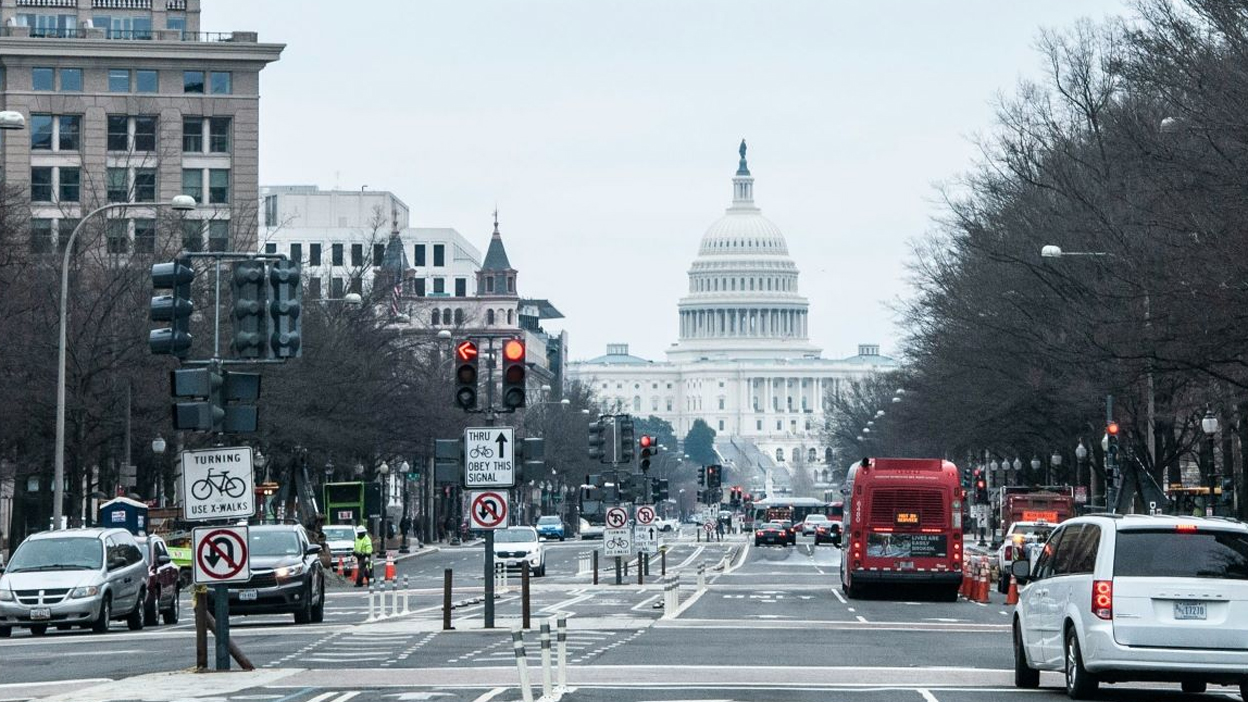
Urban living in Washington’s metropolitan centers stands out for its density and convenience. Cities like Seattle and Bellevue provide quick access to major employment sectors—especially in tech and healthcare—alongside rich cultural venues, restaurants, and public transit networks. This concentration of opportunities allows residents to weave work, social, and leisure activities into a walkable framework. However, the bustling urban fabric comes with complexities. Navigating crowded public spaces, engaging with visible social challenges such as homelessness, and adjusting to a faster, sometimes more chaotic pace characterizes much of urban experience. The trade-offs often involve balancing the richness of proximity and variety with issues related to high population density and the intricacies of urban social dynamics.
By contrast, suburban living in Washington offers a middle ground that many find appealing. Communities like Sammamish and Bothell provide quieter streets, larger homes, and neighborhoods that emphasize family life and schooling. Suburban areas balance proximity to urban work and amenities with a more relaxed environment. The pace here suits those valuing community stability, green spaces, and a quieter routine without fully relinquishing city access. Suburbs present fewer surprises in social interaction and a more predictable neighborhood atmosphere, making them attractive for those seeking regularity and space while keeping commuting times manageable.
Turning to rural settings, the experience is markedly different. Areas such as Monroe, Sultan, and the Cascade foothills embody spaciousness, privacy, and a closer relationship with nature. Life in these regions revolves around self-sufficiency and a slower rhythm. Residents accommodate longer journeys for groceries, entertainment, and work, which requires planning and acceptance of reduced immediacy in daily conveniences. The social environment tends to be tightly knit, where community ties run deep but cultural offerings are limited compared to urban centers. The rural lifestyle suits those who prioritize tranquility, open land, and connection to natural surroundings over proximity to bustling amenities.
Ultimately, deciding where to live in Washington involves weighing these lifestyle contrasts. Consider whether your day-to-day values align with the bustle and accessibility of urban life, the compromise of suburban comfort and community, or the seclusion and scale of rural living. Alongside these choices, understanding fluctuations in WA cost of living helps balance desire with reality—each setting involves trade-offs in living expenses related to housing, transportation, and convenience.
Geography and Regional Differences
Washington’s geography plays a powerful role in shaping everyday experiences and thus impacts where people find their fit. The striking divide between Western and Eastern Washington marks more than a line on the map; it defines lifestyles molded by climate, landscape, and community scale.
Western Washington, stretching from coastal areas into rainforest-clad foothills, is known for its verdant environment and persistent gray, rainy winters. Living here often means adapting to long stretches of overcast skies and damp weather patterns. The region’s environment invites residents who appreciate dense forests, proximity to the Puget Sound, and access to a wide array of cultural and urban offerings. Cities and suburbs cluster closer here, allowing for a lifestyle that can readily switch between outdoor recreation and urban engagements. The frequent rains encourage indoor and community activities, influencing how residents plan their routines.
In contrast, Eastern Washington presents a drier climate with more sun, expansive agricultural plains, and mountainous regions. This side of the state offers a lifestyle shaped by open spaces, sunnier skies, and distinct seasonal cycles. Smaller communities, fewer large urban centers, and a slower pace typify this region. Outdoor pursuits often center around hiking, farming, and enjoying wide-open vistas. The geography means residents often travel longer distances between services and social opportunities but trade that for space and a different set of environmental pleasures.
Washington’s regional political and cultural distinctions further shape social environments. Western regions generally lean more liberal and independent, reflecting progressive social outlooks, while Eastern Washington exhibits more conservative tendencies. This divide can influence community ethos, civic engagement, and social norms that impact personal comfort and neighborhood fit.
Understanding your social preferences—whether seeking diversity or stability, activity or quiet—along with the cultural fingerprints of each region, ensures social alignment accompanies practical decision-making.
Short-Term vs. Long-Term Living Considerations
A critical lens in choosing where to settle considers the intended duration and future adaptability of your living situation.
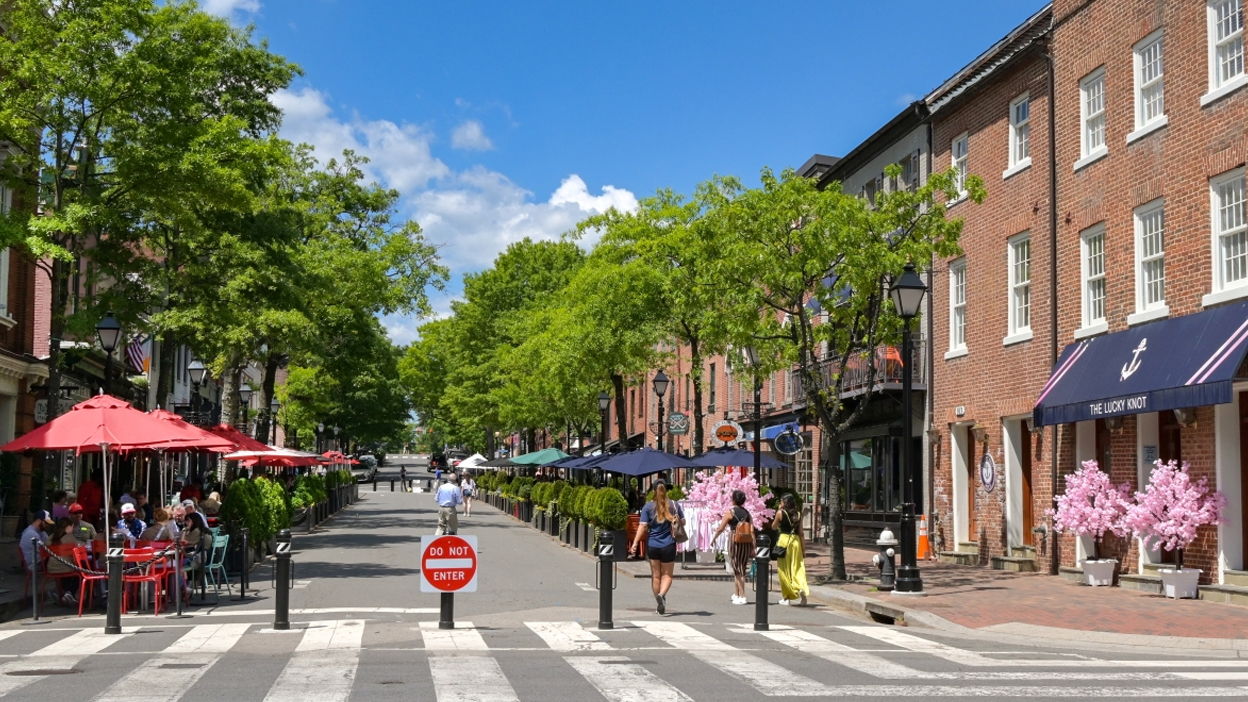
Urban areas tend to offer more short-term flexibility through rental apartments, shared housing, and dynamic neighborhoods. This makes cities suitable for those testing a location, transitioning phases of life, or prioritizing career-focused moves. However, urban housing costs and turnover can be less predictable.
Suburban communities often provide a more stable real estate market with homes retaining value over time, appealing to families or individuals seeking long-term residence. The commitment to neighborhood schools and community networks fosters stability but may limit flexibility.
Rural properties frequently involve larger land investments and less liquidity, generally favoring established residents or those ready to commit for the long haul. The pace of change is slower, which can appeal to those desiring permanence and rootedness.
The expansion of remote work shifts this calculus significantly. Greater flexibility to live further from employment centers enables more lifestyle-driven choices rather than proximity-driven decisions. This means a greater range of viable options but also requires foresight into how personal and professional priorities may evolve.
Weighing time horizons, life stage, and future plans alongside WA cost of living projections encourages strategic choices that support both present and future wellbeing.
Practical Ways to Narrow Down Your Options
Navigating the diversity of Washington’s living environments becomes manageable by applying a structured, reflective approach.
Begin with a self-assessment that centers on core lifestyle values and daily priorities: Do you prefer walkable neighborhoods or quieter surroundings? Are vibrant nightlife and cultural events important, or do stars and natural scenery call you? Is owning land with its responsibilities desirable, or does maintenance-light living appeal more? Do you seek the cultural diversity of urban centers or the familiarity of a tight-knit community? How important is proximity to work, and what is the acceptable commute?
Firsthand experience plays a crucial role. Visiting diverse parts of Washington—urban cores, suburbs, rural towns—across seasons reveals rhythms and realities absent from statistics alone. Observing variations in climate and community atmosphere can clarify preferences. Spending mornings in a bustling café, afternoons exploring a quiet park, and evenings walking a neighborhood illuminates lived experience far beyond market data.
Comparisons that span Washington’s geography—from coastal rainforests to eastern plains, from Seattle’s density to Monroe’s open spaces—highlight contrasts in weather adaptation, service access, and lifestyle suitability. Reflecting on these factors with patience and curiosity avoids rushed choices driven by trends or external pressures.
Being methodical and open in your exploration supports a choice rooted in authenticity and congruence with personal values rather than external validation.
Conclusion
Selecting a place to live in Washington emerges best through aligning your lifestyle priorities, work realities, and social preferences with the state’s rich geographic and community variations. There is no singular destination that stands out as an unequivocal choice—it is a nuanced balance between competing factors that shapes the best fit for you.
By focusing on how daily life unfolds, how geography affects your rhythms, how employment and commuting interact with financial planning, and how social environments fulfill your relational needs, you make a decision grounded in lived reality rather than surface-level evaluations. This foundational approach ensures that your chosen community supports not only where you live but how you live.
Take the time to listen to your own insights, absorb the diverse experiences different regions offer, and allow your understanding to mature. Moving to Washington is not merely a relocation; it is an opportunity to shape a lifestyle that honors your values and evolves with your life’s course. Trust in that process as you work toward finding the place that feels like home.