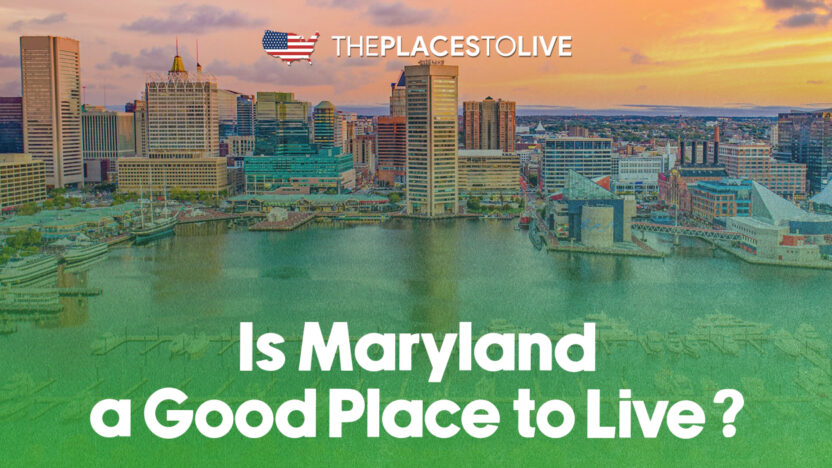
The question “Is Maryland a good place to live?” does not have a simple, universal answer. Whether living in Maryland feels right depends deeply on individual lifestyle preferences, personal values, and long-term expectations. Maryland offers a range of environments and ways of life, and what appeals to one person may not resonate with another.
The Maryland lifestyle spans urban, suburban, and rural settings, each with distinctive rhythms and social atmospheres. This variation shapes daily experiences and whether residents feel comfortable or constrained. Rather than judging Maryland with statistics or rankings, this article explores who tends to thrive living in Maryland—and who may find it challenging—based on broader patterns and lived impressions across the state.
What Living in Maryland Generally Feels Like
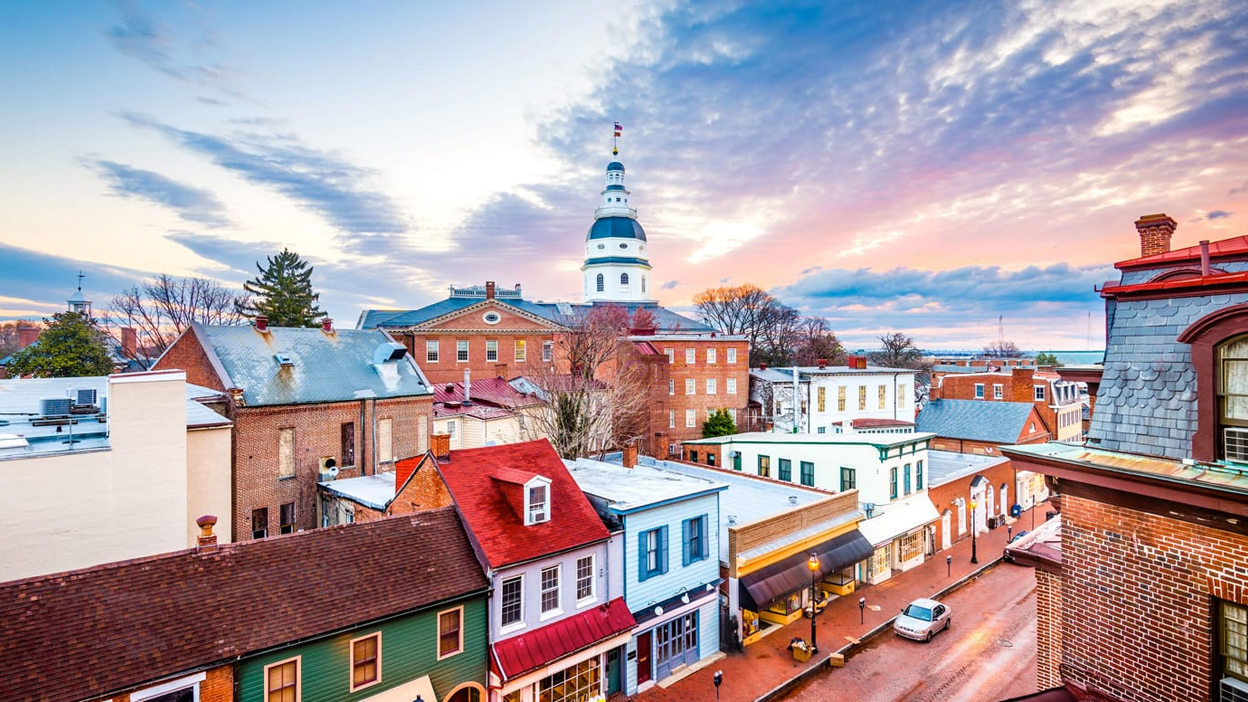
Living in Maryland often strikes a moderate pace—a balance neither too rushed nor too slow. This tempo shifts based on location within the state. Near government and urban hubs, the atmosphere can feel bustling and structured. Conversely, near the Chesapeake Bay coast or Appalachian foothills, life slows down considerably, emphasizing more unhurried rhythms.
Maryland’s geographic diversity strongly colors this experience. The stretch of coastal shores along Chesapeake Bay offers ample opportunities for waterfront activities and nature access, while the suburban belts provide a mix of convenience and community. Rural farm lands and forested areas further widen the varied sense of space residents encounter.
Many Marylanders find their days weaving between nature and city-like conveniences. Trails, parks, and waterways are often just a short drive from shops, services, and offices, shaping a lifestyle with both outdoor access and urban resources close at hand. Still, in denser or high-demand regions, housing and space pressures impact how much physical breathing room residents actually experience, often lending a more compact feel.
Across the state’s urban cores, suburban neighborhoods, and more open rural zones, the Maryland lifestyle generally leans toward this moderate pace, with room for adaptation based on one’s preferred surroundings.
Community, Culture, and Social Atmosphere in Maryland
The social fabric of Maryland is diverse and nuanced. Residents encounter a mix of openness and reserve shaped by regional cultural traditions. Suburban areas, especially those within commuting distance of government and metropolitan centers, frequently host diverse, multicultural populations engaged in professional occupations. These communities tend to blend modern work lifestyles with a certain cosmopolitan openness.
In contrast, smaller towns and rural parts of Maryland often maintain tighter-knit social networks where familiarity and tradition shape local interactions. Here, social norms can feel more reserved, creating a sense of rootedness and continuity that may appeal to those seeking stability in community.
Maryland is also appealing to individuals willing to embrace the higher cost of living as part of their lifestyle equation, especially those who can combine career opportunities with their personal interests. Outdoor enthusiasts who appreciate access to forests, waterways, and trails alongside the conveniences of suburban and urban life often thrive.
In general, Maryland offers a lifestyle fit for those drawn to moderate energy levels, regional diversity, and a blend of natural and civic resources without extreme shifts in pace or setting.
Who Might Struggle Living in Maryland
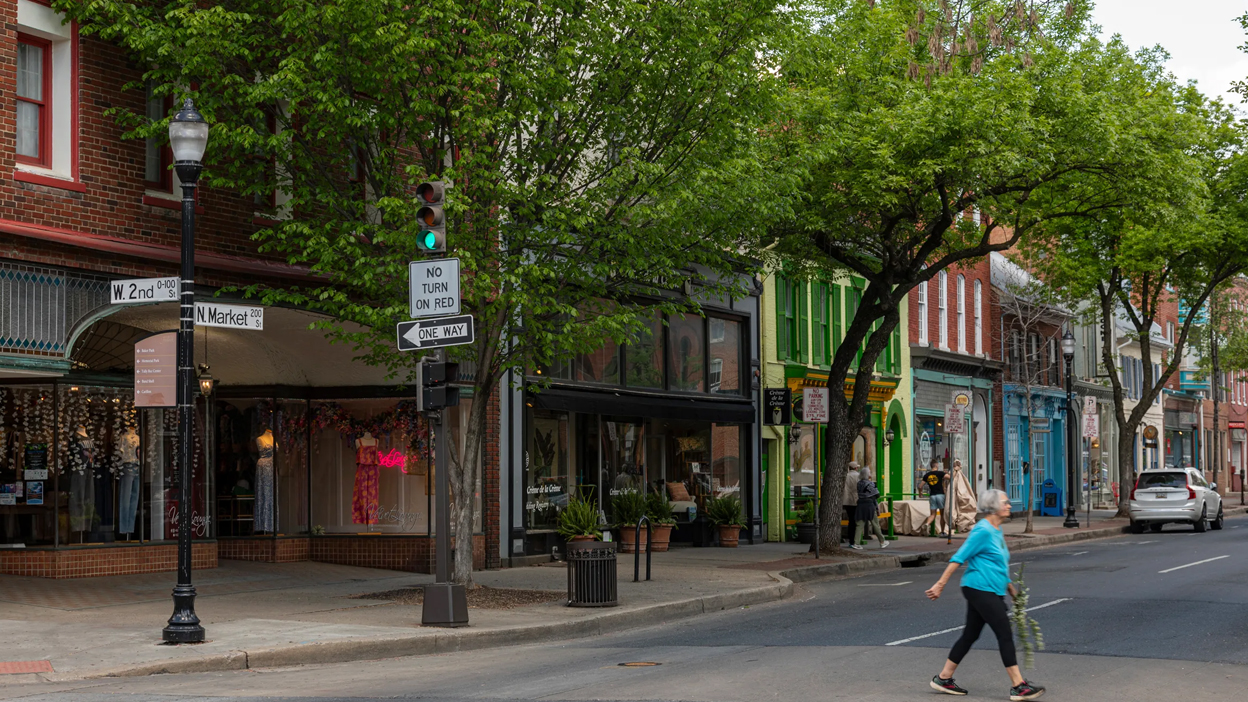
Maryland may pose challenges for people who prefer consistently quiet, remote living far removed from urban or suburban hubs. While rural areas exist, they are often still connected through regional economies and cost structures that limit isolation. Those seeking ultra-low-cost, extreme rural isolation might find Maryland’s interconnected geography and overall elevated expenses constraining.
Similarly, individuals looking for the relentless energy and tempo of a major metropolitan area—or conversely, those desiring complete detachment from any population center—may perceive Maryland as a compromise that lacks these definitive extremes. The state generally offers a middle ground with regional variation rather than uniform lifestyle extremes in either direction.
Marylanders with rigid lifestyle preferences may struggle adapting to the diversity of social atmospheres and cost pressures. Elevated living expenses permeate most regions, from pricey government-related suburbs to more affordable but less accessible rural locales. This demands a certain mindset of adjustment and flexibility.
In sum, people unwilling or unable to navigate the moderate and regionally varied Maryland lifestyle—especially regarding social dynamics and cost—often find living in Maryland less comfortable.
Conclusion
When asking “Is Maryland a good place to live?” the answer hinges foremost on personal alignment with the state’s prevailing rhythms, environments, and social contexts. Reflection on one’s own lifestyle values and expectations is vital in understanding how well living in Maryland may feel.
This is not a question about rankings or external assessments but about whether the Maryland lifestyle resonates individually. Moving to Maryland should be viewed primarily as a matter of mindset and lifestyle fit, requiring thoughtful consideration of how this moderate-paced, regionally varied state matches one’s needs.
Ultimately, deciding if Maryland suits one’s life is one important factor among many, grounded in experience and personal preferences rather than general advice or numeric data.