
If you’re thinking about relocating to Tampa, Florida, there are a few important things to know before making the move. Tampa is one of the key Gulf Coast cities with its own set of unique features that affect daily life, from job prospects to weather and lifestyle. This guide is designed to give you straightforward insights about what living in Tampa Florida really means, without sugarcoating or hype. Whether it’s your first move or you’re coming from nearby, understanding the practical sides of Tampa will help you settle in smoothly.
Tampa attracts many people because of its Gulf Coast location, vibrant economy, and outdoor lifestyle. But the city also has its challenges and specifics that you will want to think through before packing up. This post covers what you need to know to prepare for the realities of life here.
Why People Move to Tampa
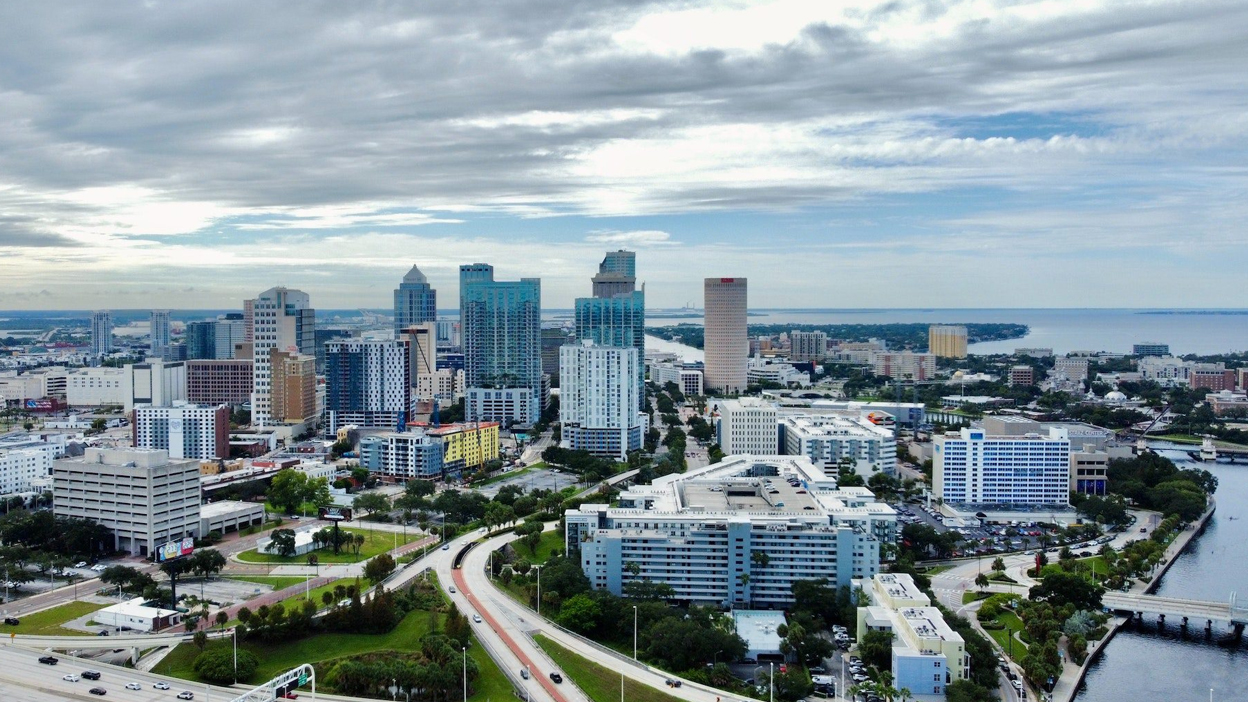
Many people move to Tampa for clear reasons. Job opportunities are the biggest pull. The city’s job market includes healthcare, finance, military, technology, and retail sectors, providing options for a range of skills and careers. Employers across these fields keep the demand steady, though competition can exist.
Another reason is Tampa’s climate. With mostly sunny days and mild winters, it lets residents spend a lot of time outdoors. Watersports, beach trips, and other outdoor activities are part of everyday life. Plus, Florida’s lack of state income tax is a consistent draw for people looking to stretch their income further.
Today’s newcomers to Tampa tend to plan carefully. Most have secured jobs or financial plans before moving, unlike some past waves when moves were more impulsive. Understanding why people choose Tampa helps set realistic expectations about the pace and culture you’ll find here.
How the Cost of Living Affects Daily Life
Tampa’s cost of living is generally more manageable than in big cities on the coasts. For many, housing affordability is the biggest benefit, especially for those coming from expensive urban areas. However, costs for groceries, utilities, and services can vary, so it’s wise to monitor your monthly spending as you settle in.
People often make budgeting decisions that affect where they live and how they get around. Some choose suburbs for more space and lower housing costs, while others accept higher prices for urban convenience. Both choices mean trade-offs: more room often means longer commutes, while city living may limit your housing size and quiet.
The social culture is known for friendliness and community spirit, supported by Tampa’s diverse population. Newcomers often note how easy it is to find welcoming groups, although building deeper social ties takes effort.
Young professionals find opportunities to connect through networking events and social venues, while retirees enjoy golf, beach proximity, and quiet neighborhoods tailored to active older adults.
Paperwork and Setup Tasks After Moving
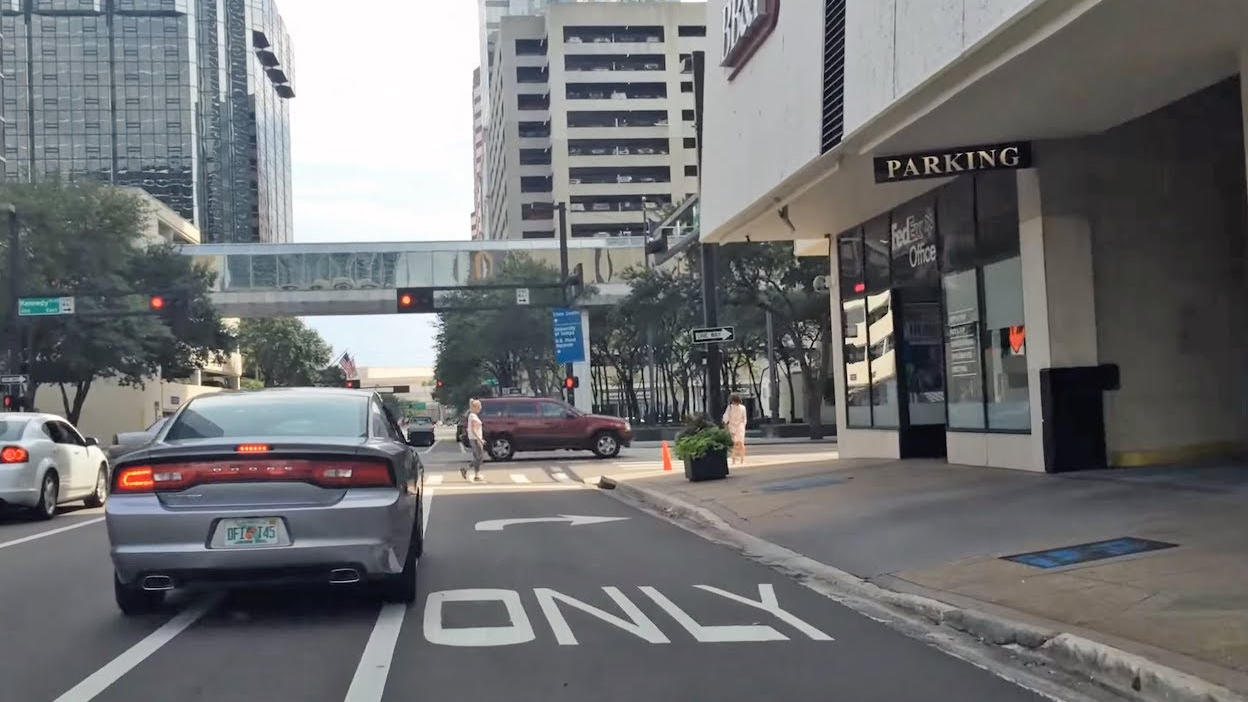
Once you arrive in Tampa, some key administrative steps will help you settle quickly. Updating your address with relevant agencies, getting a Florida driver’s license, and registering vehicles are top priorities.
You’ll also need to set up utilities like electricity, water, and internet. If you have children, enrolling them in local schools or daycare takes planning.
Familiarizing yourself with available community resources, from libraries to healthcare providers, will make your transition smoother.
Common Challenges New Residents Face
Newcomers often face certain challenges. Finding housing that fits your budget and lifestyle can be tough because desirable neighborhoods fill up quickly. Adjusting to Tampa’s hot, humid weather is another hurdle, especially if coming from cooler climates.
The cost of living might surprise you depending on where you’re moving from. Even with generally affordable housing, daily expenses and climate-related costs like electricity can add up.
Lastly, building a social life takes active participation, and adapting to car-dependent living can be difficult for those used to public transit. Traffic and commuting habits may also require adjustment over time.
Conclusion
Moving to Tampa means balancing the city’s clear benefits with its practical realities. Before relocating, secure employment prospects and research neighborhoods carefully to match commute preferences and housing needs.
Expect to rely on a car for most travel and prepare for warm, humid weather that shapes your home and lifestyle choices.
Understanding the cost of living in Tampa and the city’s social pace will help avoid surprises. Approaching your move with realistic expectations ensures a smoother transition to living in Tampa Florida, where opportunities and quality of life await those who plan well.