
Deciding where to settle in Kansas involves much more than identifying the most popular or touted “best places to live in Kansas”. Learning how to choose where to live in Kansas is a process that calls for thoughtful self-reflection on daily routines, social preferences, and practical needs. The state’s communities span from vibrant urban hubs to suburban neighborhoods and vast rural stretches—each offering distinct rhythms and experiences shaped by geography, economy, and culture. Rather than focusing on rankings, this exploration centers on helping you understand these environments so your decision fits your unique lifestyle and priorities.
Kansas’s living environments include urban centers like Wichita and Topeka, surrounding suburban areas, and scattered rural towns across the state’s broad landscape. These settings differ markedly in terms of density, amenities, community feel, and economic opportunities. Understanding the nuances of each will better equip you to match your values with the realities of life in Kansas while balancing considerations such as Kansas cost of living and the character of daily life.
Daily Lifestyle Priorities: Urban, Suburban, and Rural Living in Kansas

When considering where to live in Kansas, begin by clarifying your lifestyle priorities, particularly how you want your day-to-day life to unfold. Urban, suburban, and rural living each offer fundamentally different settings that influence your access to services, pace of life, and social interactions.
In the Kansas context, urban areas consist of densely populated and developed neighborhoods, mostly found in larger metropolitan counties like Sedgwick (including Wichita) and Shawnee (including Topeka). These places concentrate amenities like diverse dining, cultural venues, medical facilities, and entertainment within short distances. This dense setup fosters a faster rhythm, often supporting pedestrian or short car trips for everyday needs.
Suburban environments in Kansas tend to have lower residential density with predominance of single-family homes, larger yards, and car-dependent layouts. These neighborhoods spread around urban cores like Kansas City’s metro area or Wichita’s outskirts provide a balance between convenience and open space. Suburbs typically require more driving for errands and socializing but afford greater tranquility compared to busy city centers.
Rural communities are sparsely populated areas widely dispersed across Kansas’s plains and small towns, often defined by agricultural land and natural open spaces. Life here is marked by quiet and spaciousness, extended travel times for specialized services, and sometimes limited public transportation. Socially, rural living may emphasize tight-knit networks though fewer cultural diversities.
Each setting entails trade-offs: urban convenience often comes paired with higher living expenses and faster pace, while rural tranquility requires acceptance of distance and fewer immediate amenities. The suburban choice may appeal to those seeking an intermediate rhythm. None inherently outshines the others; rather, your ideal fit depends on how you want your typical day to function, your commuting preferences, and your need for accessibility.
Geography and Regional Differences: Shapes of Kansas Living
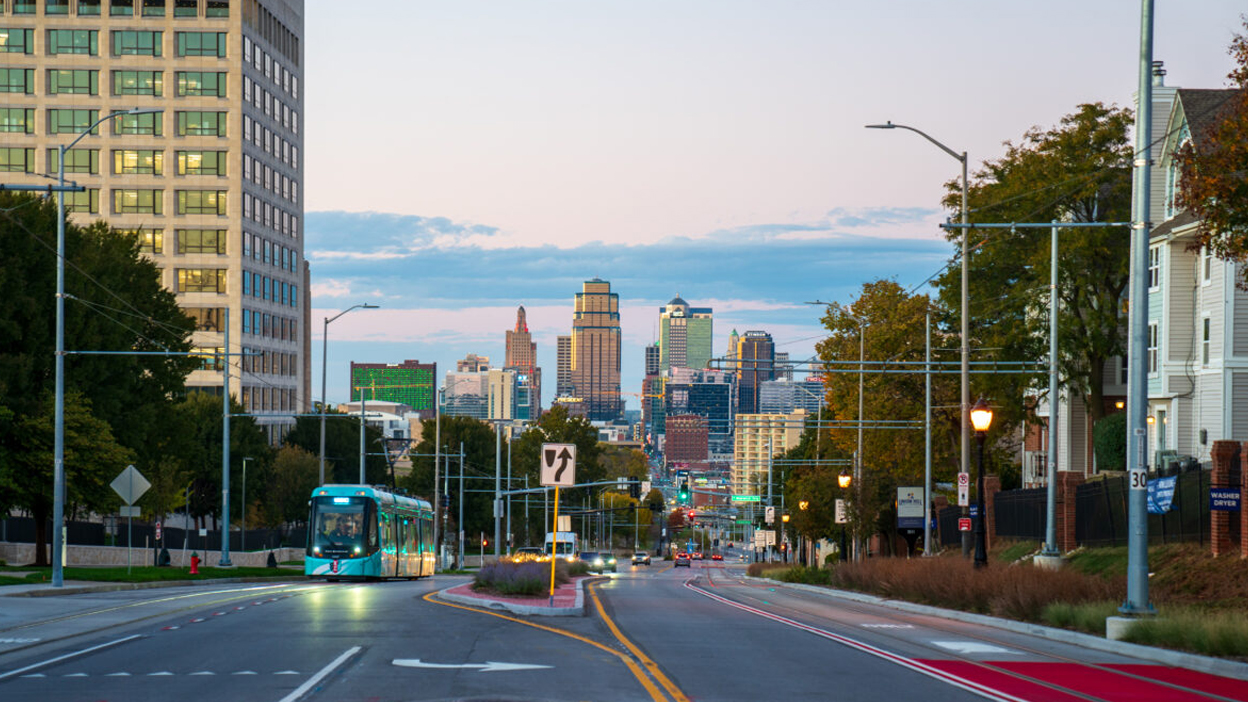
Kansas’s geography offers a broad prairie backdrop with varied weather, landscapes, and proximity to natural and cultural features that shape where it might feel most comfortable to live for you.
Urban hubs like Wichita and Topeka are surrounded by more developed infrastructure, which means easier access to cultural institutions, healthcare, and shopping but less immediate access to open spaces. These cities are situated in regions with mixed green spaces but are primarily centers of concentrated human activity.
Rural Kansas tends to be more demographically homogenous and socially close-knit. People often develop enduring relationships and shared community identity, which can provide strong support networks; however, this may also mean fewer opportunities for encountering diverse viewpoints or activities.
Importantly, your sense of community and comfort will hinge on how well your social expectations resonate with the environment around you. For some, the vibrancy and dynamism of urban life appeal; for others, a familiar, quieter setting fosters well-being. Recognizing this fit can shape where you feel truly at home.
Short-Term vs Long-Term Living Considerations in Kansas
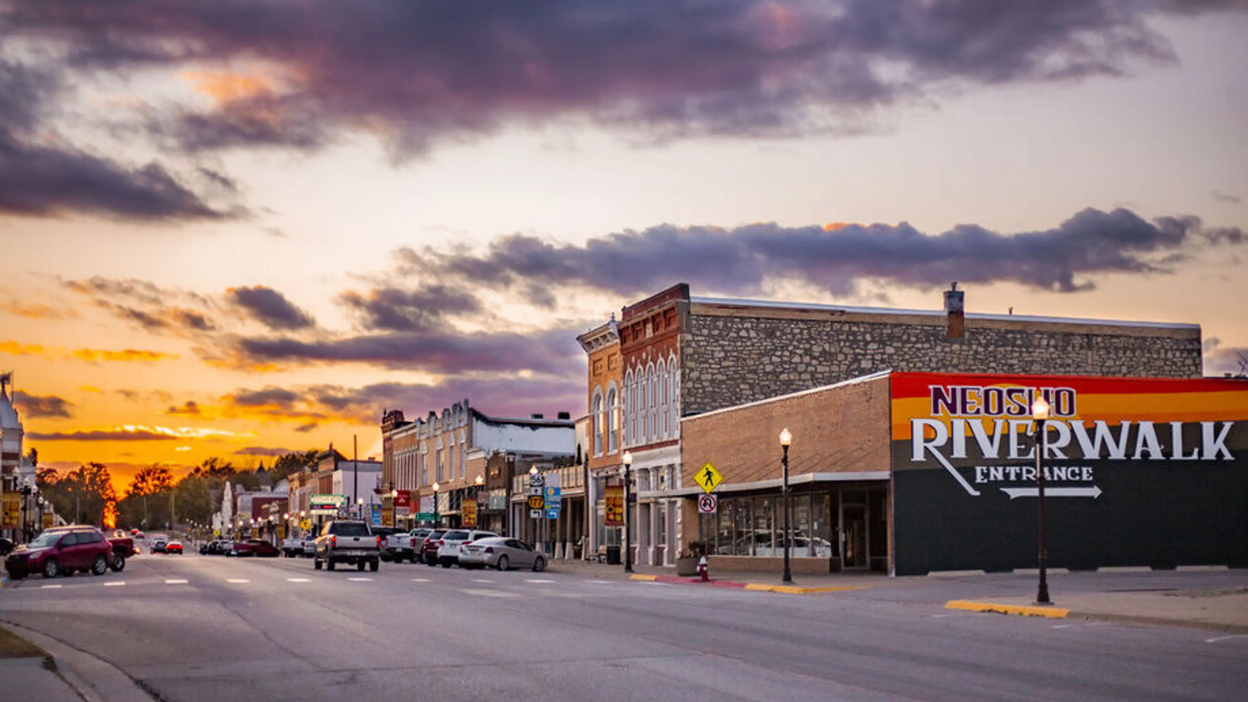
Your current life stage and future outlook deeply affect which Kansas community type may be most suitable.
Younger adults early in their careers might prioritize urban centers given the concentration of jobs, nightlife, and cultural amenities. Families often seek suburban environments where schooling, child-friendly activities, and safety receive emphasis. Meanwhile, retirees could appreciate rural tranquility or suburban proximity to healthcare services depending on their preferences and mobility.
It is also worth noting that demographic shifts are occurring throughout Kansan communities. Suburbs are aging more rapidly, potentially altering available services and social dynamics over time. Life changes—whether related to career shifts, family growth, or lifestyle evolution—may necessitate reassessing your living situation as your needs transform.
Viewing relocation as a flexible and ongoing process rather than a fixed decision can reduce pressure and open avenues for adaptation. By anticipating how your priorities may change, you gain a broader perspective on the choices ahead and their long-term implications.
Practical Ways to Narrow Down Your Options in Kansas
Approaching this decision strategically involves several practical steps grounded in reflection and exploration.
First, develop a clear understanding of your own lifestyle priorities. Clarify what you need from your living environment in terms of job opportunities, social atmosphere, affordability, commute tolerance, and preferred amenities. This personalized framework serves as a decision lens through which to evaluate various communities.
Next, visit a range of Kansas localities across the urban-suburban-rural spectrum and geographically across regions. Experiencing daily realities firsthand—traffic patterns, neighborhood character, public spaces, and community interactions—provides invaluable insight beyond online research or statistics.
Utilize Kansas-specific classification systems offered by local institutions and health agencies. These resources describe community designations such as urban, metropolitan, or rural, helping you align your preferences with places that meet your geographic and social criteria.
Finally, maintain patience and openness throughout your exploration. Finding a suitable place in Kansas is often an iterative process, revealing new considerations and altering perspectives as you gather experience.
Conclusion
Choosing a place to live in Kansas involves a thoughtful process of identifying where your lifestyle, values, and practical realities intersect. Each community type—from urban centers to rural expanses—offers distinct experiences that suit different needs and aspirations. As you journey through this exploration, embracing reflection and firsthand observation will guide you to a setting that feels authentically right, supporting a fulfilling life rooted in your unique sense of home.