
When people ask, is Phoenix a good place to live?, the answer depends largely on personal lifestyle and preferences rather than fixed rankings or general pros and cons. The experience of living in Phoenix is shaped by how one relates to its desert heat, sprawling geography, and the slower, climate-driven rhythms that govern everyday life here. Questions about living in Phoenix pros and cons or moving to Phoenix often arise in broad terms online, but real understanding comes from seeing how daily life unfolds in this distinctive environment.
This article offers an in-depth, grounded perspective on what it really feels like to live in Phoenix day by day. Rather than looking at abstract statistics or lists, it focuses on the authentic routines, social dynamics, and environment that define life here. Whether you are weighing moving to Phoenix or simply curious, this insider’s look will provide a nuanced view of how people adapt to this desert city’s unique flow.
What Daily Life in Phoenix Actually Feels Like
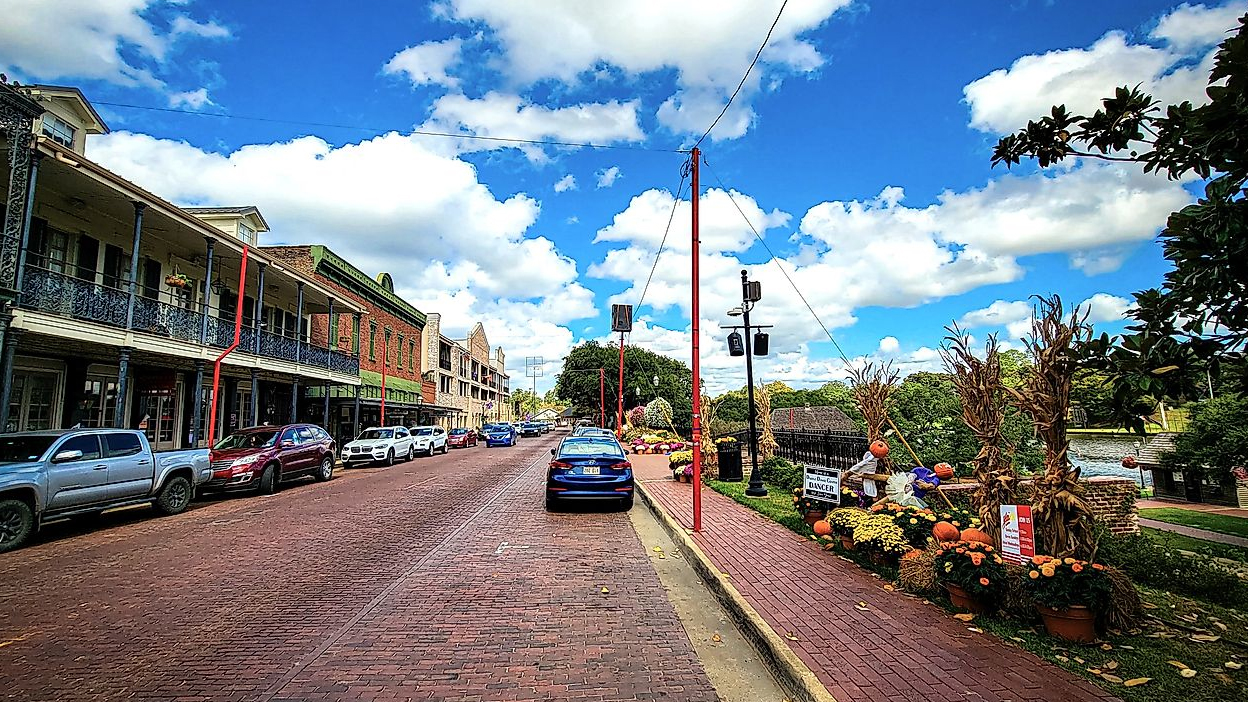
Phoenix’s daily life is closely attuned to its desert climate. The scorching heat heavily influences how residents plan their days. Mornings tend to be slow and cooler, offering a valuable window for errands, outdoor exercise, or socializing before temperatures climb. As the day progresses, the heat peaks, pushing most activities indoors or into shaded spaces midday. By evening, when the sun dips, the city regains energy with a livelier rhythm that suits outings and social events.
On weekdays, many Phoenix residents balance indoor work or home responsibilities with short bursts outdoors during cooler morning or late afternoon hours. Weekend routines often revolve around early dawn hikes on the trails near Camelback Mountain or Piestewa Peak, visits to communal spaces such as Papago Park, or evening trips to local gatherings like farmers markets and cultural fairs. This pattern of adjusting activities around the heat is a defining part of why people question is Phoenix a good place to live for their lifestyle needs.
Life here holds a dual quality: vibrant through shopping hubs and desert trails that attract both residents and visitors, yet relaxed for those who embrace the broad, spread-out nature of the metro area. This balance marks the living in Phoenix pros and cons—while the heat and urban sprawl require adaptation, they also enable a unique, unhurried daily flow. When considering moving to Phoenix, this heat-driven schedule becomes a critical aspect to understand.
The Social and Community Atmosphere
Physically, Phoenix is a city of sprawling neighborhoods and diverse environments. Socially, this means a patchwork of distinct communities, each with its own feel. Family-oriented suburbs like Surprise and Sun City offer quiet residential settings, while the East Valley caters largely to professionals, and downtown Phoenix hosts growing creative and nightlife scenes. This diversity creates a complex social landscape where forming lasting connections often demands time and active engagement.
The city’s layout can slow down the process of social integration. Despite the spread-out geography, newcomers commonly find that locals maintain a welcoming attitude. Events such as the First Friday Art Walks draw together artists, musicians, and residents who seek shared cultural experiences. Similarly, music festivals like the M3F or dance events such as the Blaktinx Dance Festival present opportunities to weave new social ties across the city’s many neighborhoods.
People who accept a car-dependent city layout and appreciate flexible work options, including remote jobs, often establish a comfortable rhythm in the city. The sprawling, multi-community nature of Phoenix rewards those willing to invest time and patience in building relationships gradually across neighborhoods. The city’s social fabric is wide enough to accommodate quiet suburban living as well as energetic participation in creative and nightlife districts.
These considerations directly respond to the core question of is Phoenix a good place to live. They also offer realistic framing for those moving to Phoenix who seek to gauge their fit. Weighing these particular living in Phoenix pros and cons helps identify who is likely to thrive amid the city’s unique environment and lifestyle demands.
Who Might Struggle Living in Phoenix

Phoenix can pose challenges for people who prefer cooler, more temperate climates. Summer heat routinely exceeding 98°F restricts midday outdoor activity, requiring a shift to mornings and evenings for most outside pursuits. This adjustment may not suit those unfamiliar or uncomfortable with such climate adaptations.
The sprawling urban geography can frustrate individuals seeking compact, walkable neighborhoods. Dependence on driving and longer distances for everyday tasks may feel burdensome. Additionally, the city’s dispersed communities mean that forming close social circles can take longer, which may not align with everyone’s needs or social habits.
Residents who find climate-driven routine changes difficult, or who are sensitive to higher utility use tied to extensive air conditioning, may also struggle with sustaining daily life comfortably. These factors represent fundamental living in Phoenix pros and cons that temper the decision of moving to Phoenix. Recognizing these potential difficulties is essential when asking is Phoenix a good place to live for one’s unique preferences.
Conclusion
Answering is Phoenix a good place to live requires thoughtful reflection on personal tolerance for heat, acceptance of driving distances, and preferences for social pace and community engagement. These experiential realities—shaped by the desert climate, sprawling urban form, and diverse cultural landscape—offer a nuanced picture beyond abstract rankings or generic lists.
The rhythm of life here, from slow, cooler mornings to lively evenings, coexists with a social and spatial fabric that rewards patience and adaptation. These elements come together precisely to define the living in Phoenix pros and cons for any given individual.
For those considering moving to Phoenix, incorporating this grounded, day-to-day perspective adds valuable depth to the broader decision-making process. Ultimately, the suitability of Phoenix as a home hinges on how well an individual aligns with its distinctive lifestyle and environment rather than any simple yes-or-no verdict.