“Is Texas a good place to live?” is a question many ask but one that has no simple, universal answer. Whether Texas fits well depends on how someone’s values, lifestyle preferences, and long-term expectations align with the state’s broad, varied environments and cultural landscape.
In this discussion, “good” means personal fit—how comfortable people feel within the rhythms and realities of the Texas lifestyle. Given Texas’s vast size and diversity, living in Texas can feel very different depending on where you are and what you seek in daily life.
This article offers a grounded, experience-based view of what living in Texas generally feels like, spotlighting who tends to thrive and who might face challenges adapting. It’s about recognizing patterns and lived impressions, not making broad judgments or ranking places.
What Living in Texas Generally Feels Like
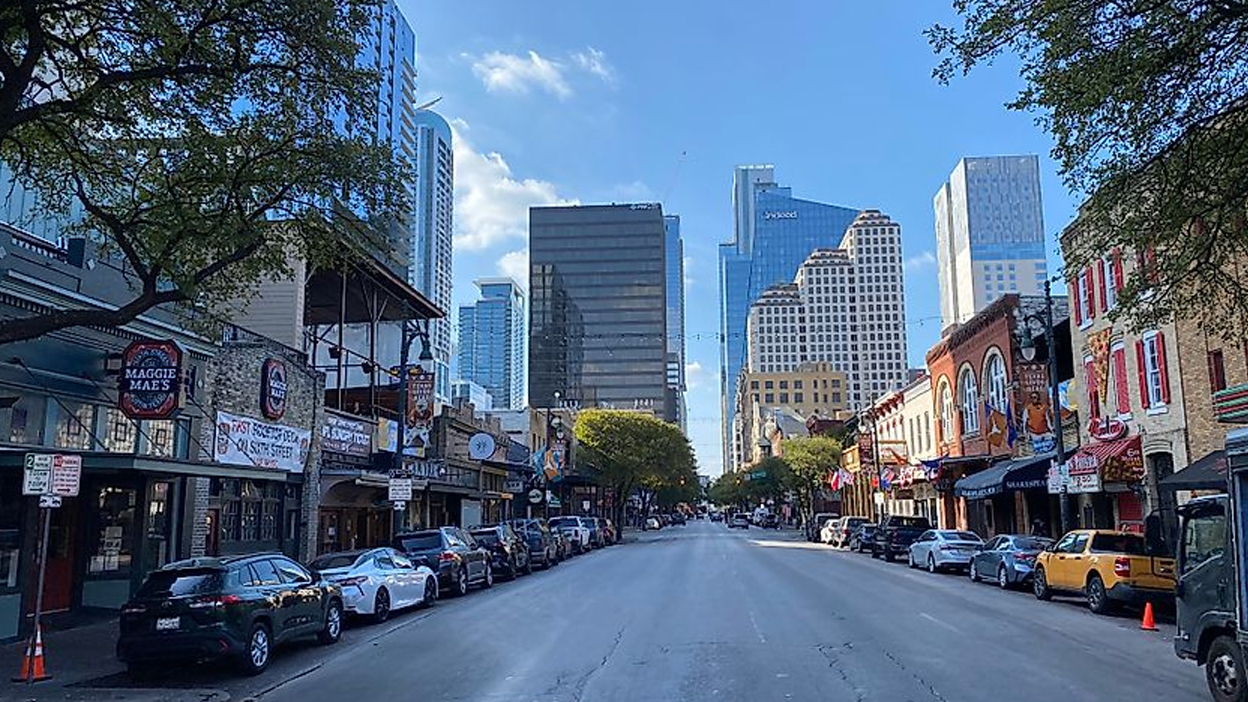
Texas’s immense physical size shapes almost everything about daily life here. The pace of life is never uniform—moving from brisk urban energy in some areas to the calm and spaciousness of rural places.
One distinctive feature is the abundant sense of space. The state’s landscape means travel distances are often long, affecting drives to work, errands, or social outings. For many Texas residents, commutes easily exceed 30 minutes, adding a deliberate rhythm to routines.
Outdoor life is a major part of the Texas lifestyle. Many residents enjoy quick access to suburban parks, neighborhood green spaces, or even sprawling natural areas. The presence of extensive state parks, rivers, and coastline allows for a blend of urban living and outdoor pursuits. Whether in a suburban setting with trees and trails nearby or closer to the open countryside, outdoor activities feel embedded in how residents spend time.
This dual nature—urban convenience balanced with readily available nature—generates a unique lifestyle rhythm. People living here often find themselves weaving between city amenities and outdoor experiences, creating a blended day-to-day environment shaped by both activity and space.
Community, Culture, and Social Atmosphere
The social fabric in Texas carries a reputation for warmth and hospitality, though this varies by region. Some parts of the state are notably extroverted and open in community interactions, while other areas may feel more reserved and private. This regional difference shapes how easy or natural it feels to form connections.
Communities often meld close-knit neighborhood vibes with a strong streak of individualism. Many Texas neighborhoods feel tightly woven through local schools, parks, and shared social events, yet residents typically value personal freedom and independence. This mix reflects Texas’s rapid growth and diverse population, where new neighbors arrive frequently but community identity remains strong.
People comfortable managing longer travel distances and navigating regional variation in pace and culture are more likely to feel aligned with living here. The geographic spread demands a willingness to spend time commuting or adapting daily schedules accordingly.
Community warmth paired with a pronounced emphasis on individual freedom and self-direction makes this state welcoming to those who value both social interaction and personal autonomy.
Texas’s draw for many relocation seekers lies in this balance—holding onto tradition while welcoming growth and change, blending open spaces with urban and suburban life.
Who Might Struggle Living in Texas
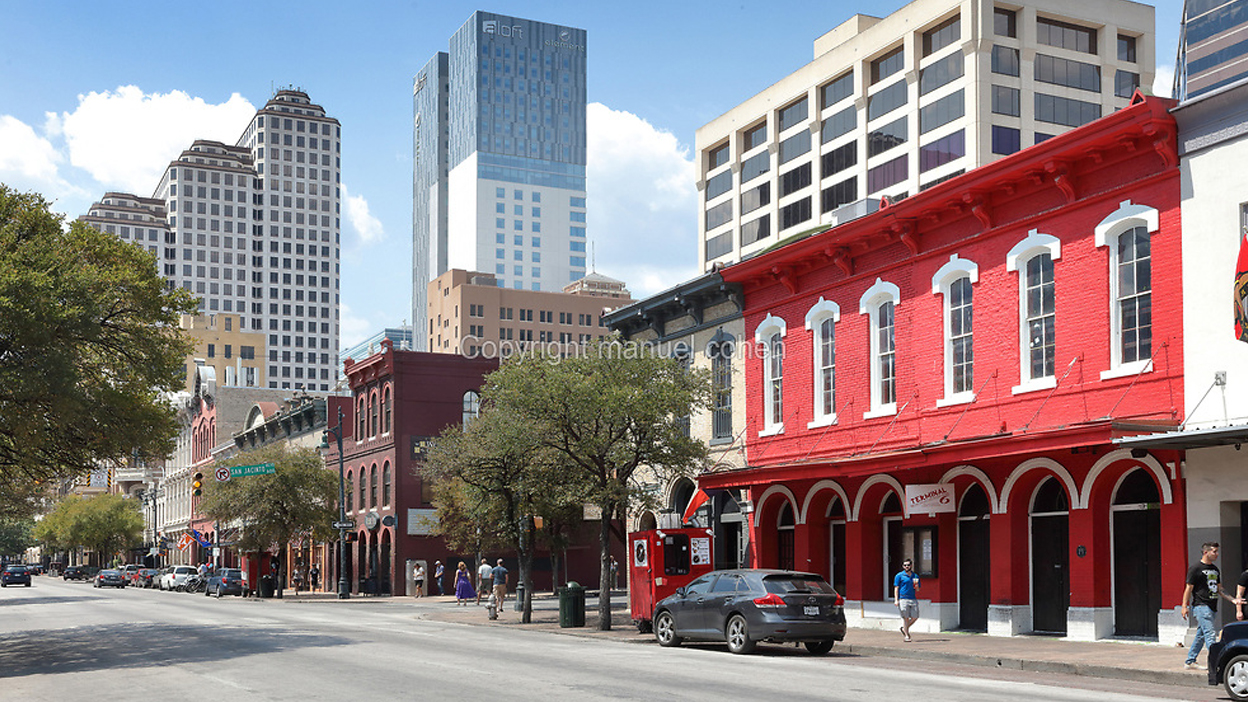
Living in Texas can be challenging for individuals who dislike or struggle with long and frequent travel. The expansive geographic distances demand time and energy to manage daily commutes and errands, which can wear on those accustomed to compact environments.
People who prefer culturally uniform and socially consistent settings may find the state’s regional variety jarring. Texas encompasses diverse cultural tones—from conservative to eclectic—prompting some residents to feel culturally out of step depending on where they live.
Additionally, those who seek highly urbanized, compact, and walkable living environments may find the Texas blend of sprawling suburbs and dense cities difficult to navigate. While amenities are often abundant, the spread-out nature of many neighborhoods and cities can feel disconnected for those expecting tight urban grids.
These lifestyle mismatches highlight that Texas is not a one-size-fits-all state; it demands a certain adaptability and preference for space and cultural variation.
Conclusion
Deciding “Is Texas a good place to live?” ultimately comes down to personal alignment with the state’s rhythms, distances, and cultural environment. Reflecting on your values, daily lifestyle preferences, and capacity to adapt is essential when considering this question.
Texas does not offer a universal fit; rather, its appeal depends on how well an individual resonates with wide-open spaces, a mix of tradition and growth, community warmth, and broad regional variation.
Rather than searching for an objective answer, use this perspective as one of many lenses in your larger decision process about relocating. The Texas lifestyle has distinct features, and knowing whether these align with your preferences will guide honest, grounded decisions about whether living in Texas feels like home.