
When asking is Tulsa a good place to live, the answer hinges less on general rankings or cost metrics and more on who you are—your lifestyle preferences, rhythm of daily living, and what you value in a community. This blog moves beyond simplified living in Tulsa pros and cons lists to explore what it truly feels like to live in Tulsa through the lens of everyday routines, social ties, work patterns, and the surrounding environment.
Tulsa’s recent growth in culture and arts has drawn attention, but the question of fit centers on the nuances of daily life. Whether Tulsa feels like home depends on personal alignment with its moderate pace, community vibe, work-life rhythms, and outdoor setting. Let’s unpack these elements to get a grounded sense of what living in Tulsa involves.
What Daily Life in Tulsa Actually Feels Like
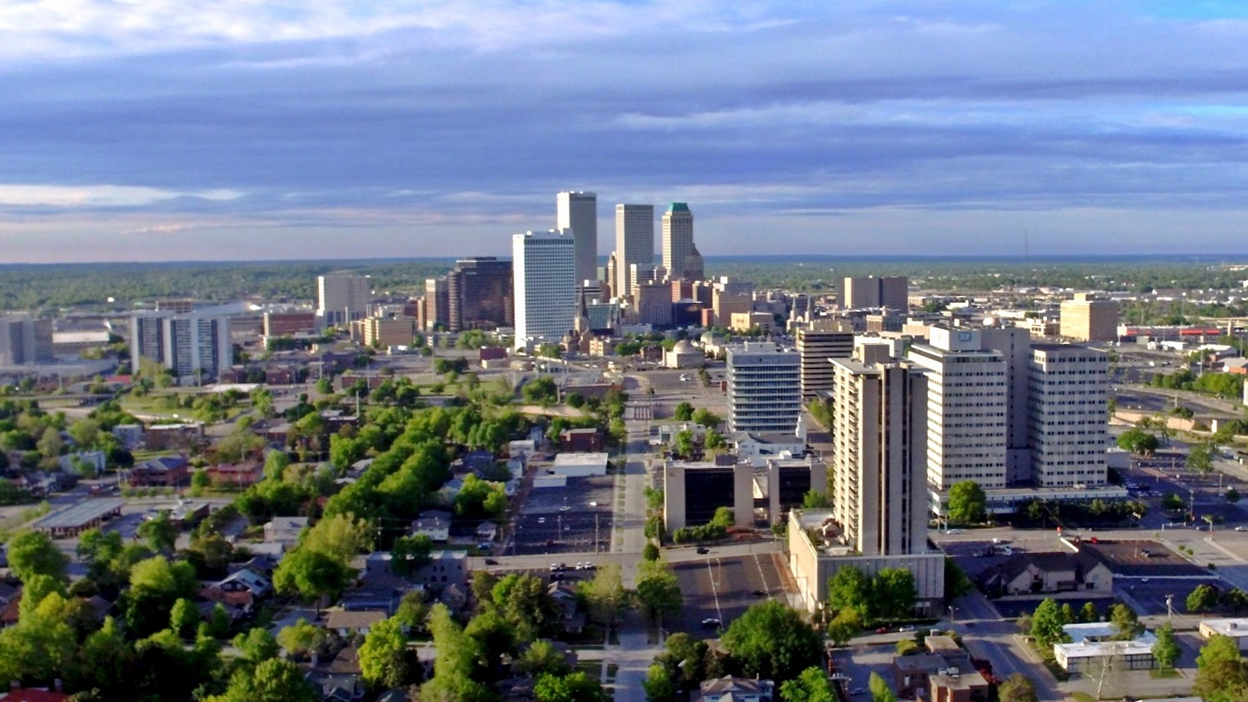
A core element to understanding is Tulsa a good place to live lies in grasping the city’s general pace and how residents experience daily life. Tulsa strikes a moderate tempo—not fast and hectic like major metros, but not slow or dormant either. This balance shapes everything from commuting to weekend activities.
On a typical weekday, most Tulsa residents engage with their work or local errands. The city is largely car-dependent. Unlike sprawling metro cities with heavy traffic, Tulsa commutes tend to be shorter and less congested. Many people drive alone to jobs in sectors like energy, healthcare, or professional services. Public transit exists but plays a smaller role in daily transport patterns due to limited routes and schedules.
Weekends often contrast with the weekday rhythm. Tulsa’s community draws active participation in local events. Many residents take advantage of an extensive network of trails by biking or walking. Popular weekend activities also include visits to parks such as Gathering Place or Turkey Mountain, and attending arts and music events reflecting the city’s growing creative scene. Neighbors might congregate at local farmers markets or community festivals.
Neighborhoods play a large role in daily experience. Some parts of Tulsa—like areas near downtown or popular commercial corridors—feel busier, buzzing with restaurants or nightlife. Other residential neighborhoods offer quiet, leafy streets with spacious yards and slower movement. Seasonality also influences daily routines. Summertime encourages outdoor recreation, while colder or stormier weather invites more indoor and community-centered activities. The city’s awareness of severe weather risks means residents remain prepared for occasional disruptions during storm seasons.
Living here engenders a sense of measured activity—residents navigate both the conveniences and limitations of Tulsa’s scale and infrastructure. Those considering living in Tulsa pros and cons should weigh these lifestyle traits since low congestion and accessible local amenities provide comfort, while car-dependence and weather can impose routine constraints.
The Social and Community Atmosphere
A pivotal aspect when examining is Tulsa a good place to live is the city’s social fabric. Tulsa’s community atmosphere tends to be tight-knit with both family-oriented and artistic undercurrents.
Cultural institutions like the Bob Dylan Center and Woody Guthrie Center echo Tulsa’s deep musical roots and creative spirit. Such landmarks contribute to a community identity that values artistic expression and historical awareness. Beyond these institutions, a collaborative civic culture prevails. Local organizations and neighborhood groups often foster engagement and connection.
Retirees frequently find Tulsa appealing due to tax benefits, the manageable pace, and abundant outdoor activity options. These elements support an active but relaxed lifestyle conducive to retirement.
Professionals building careers in stable sectors also gravitate toward Tulsa’s reliable local economy. While it isn’t a high-octane job market, it offers opportunities for advancement in energy, healthcare, education, and emerging fields. This economic steadiness suits those valuing security over rapid corporate escalation.
Arts and culture enthusiasts are drawn by Tulsa’s evolving creative scene, with venues and institutions that emphasize musical heritage and growing contemporary arts. The community atmosphere welcomes those wanting to be part of artistic growth without the pressures of major city cultural competition.
People who appreciate a moderately paced life, open spaces, and community connection find Tulsa aligns well with their priorities. The city resonates with personalities preferring balanced daily rhythms and local engagement over urban hustle or transient social scenes.
Considering living in Tulsa pros and cons, this alignment of lifestyle preferences is central to whether the city feels habitable or fulfilling.
Who Might Struggle Living in Tulsa
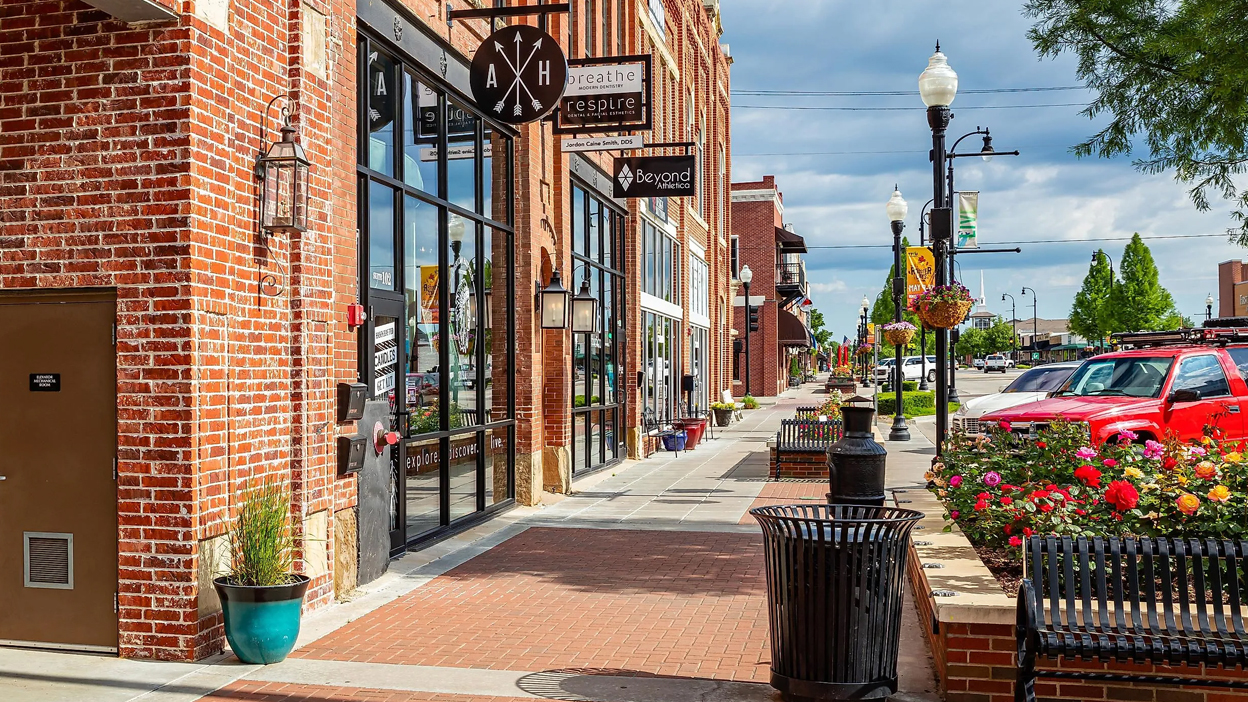
Conversely, is Tulsa a good place to live can reflect mismatches for some personalities or expectations.
Individuals seeking a strong urban core with extensive public transit and internationally cosmopolitan offerings may find Tulsa limited in these respects. The city’s cultural institutions, while growing, have yet to achieve major league status or global prominence. Those expecting constant high-energy urban environments might experience Tulsa as quieter or less stimulating than preferred.
Car reliance presents challenges for those uncomfortable with driving daily or longing for robust mass transit options. The city’s climate, with potential severe weather and hot summers, may also deter residents sensitive to these conditions or preferring milder, more stable weather patterns.
High-intensity career seekers aiming for upper-tier corporate jobs or industries heavily represented in large metropolitan markets may find that Tulsa’s job landscape does not meet their ambitions or compensation expectations.
Acknowledging living in Tulsa pros and cons means recognizing that these factors reflect lifestyle and preference frictions rather than definitive faults. For some, these elements will create tension or dissatisfaction.
Conclusion
Ultimately, is Tulsa a good place to live depends squarely on how the city’s daily life, community feel, work environment, physical surroundings, and cultural offerings align with your personal values and lifestyle.
Tulsa offers a moderate pace, a welcoming yet rooted social atmosphere, a stable work-life rhythm, and a blend of urban and green spaces. It supports residents who value community ties, outdoor recreation, and balanced living over escalated urban intensity or global cosmopolitanism.
Reflecting honestly on your priorities—whether that is a slower tempo, artistic engagement, outdoor access, or meaningful social connection—will guide your answer better than any list of living in Tulsa pros and cons or ranking could.
Tulsa’s authentic character is distinct. Matching that with your lifestyle expectations is key to finding out if Tulsa truly feels like home.