Choosing where to live in Colorado is less about finding the single “best” city and more about discovering which place aligns with your own lifestyle. Colorado’s urban areas offer a wide range of daily rhythms and environments that distinctly shape residents’ lived experiences. Understanding these differences can help you find the community and daily life that feel right for you.
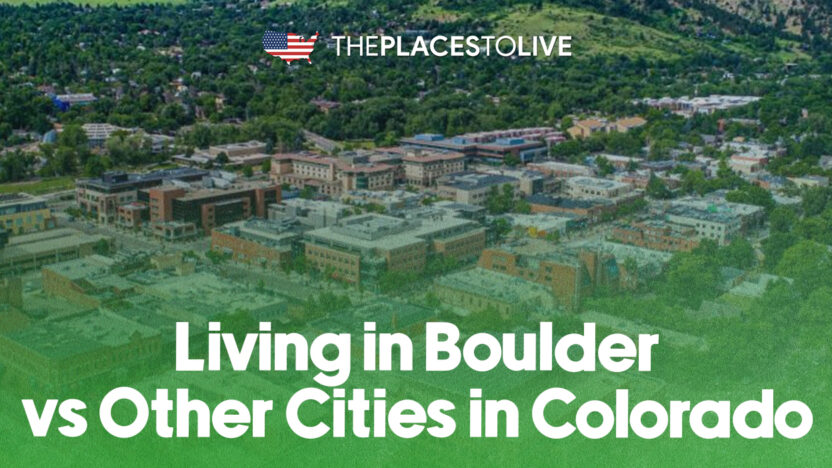
This blog explores the experience of living in Boulder Colorado and compares it with other Colorado lifestyle cities. We look beyond rankings and statistics to reflect on how the daily routine, environment, and community character shape what life feels like. The trade-offs that come with Boulder versus other cities in Colorado involve lifestyle fit rather than better-or-worse labels.
How Daily Pace and Environment Differ
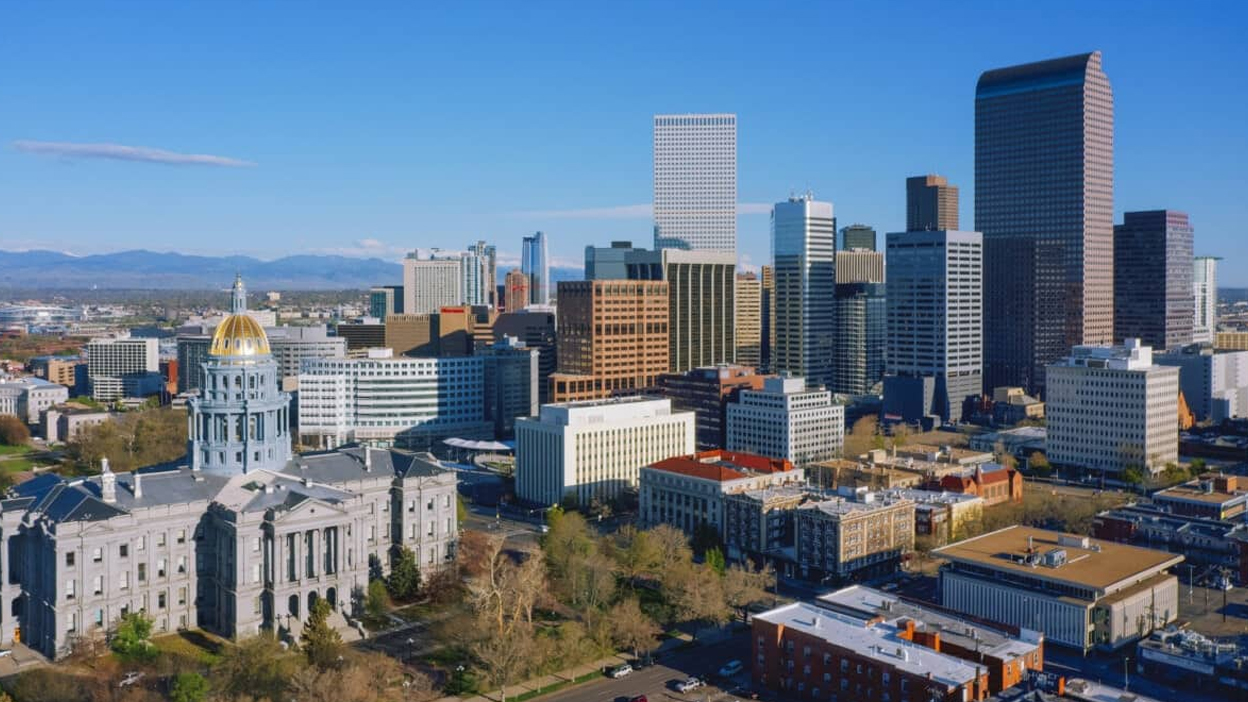
When thinking about where to live, consider the daily pace and environment—the flow of activity, social atmosphere, and sensory surroundings you encounter every day.
Living in Boulder Colorado means stepping into a unique blend of college-town energy infused with a laid-back, wellness-oriented culture. The city’s proximity to the mountains is not just scenic; it actively shapes daily life. Imagine starting your morning with a bike ride along tree-lined streets or walking downtown to Pearl Street Mall to grab coffee at an organic cafe. The sights, sounds, and smells of fresh mountain air, local farmers markets, and relaxed outdoor dining become part of your everyday rhythm.
Boulder residents often build their weekends around outdoor adventures—hiking the Flatirons, gathering for live music, or participating in community art events. Sustainability and health conscious choices aren’t fringe here; they’re embedded in the social fabric. The city’s built environment encourages spontaneous social encounters—passing neighbors while biking or meeting friends at yoga studios—and maintains a steady but unhurried tempo that feels intentional and connected to nature.
In contrast, many other Colorado lifestyle cities offer broader variations in how daily rhythms unfold. Some urban centers hum with a faster, more intense pulse—big industries, busy nightlife, and sprawling professional networks create days filled with quick transitions, vibrant cultural scenes, and dynamic social mixing. Others lean toward quieter suburban or small-town vibes, where neighborhoods are spread out, daily errands often require driving, and the social interactions happen in schoolyards or through planned neighborhood activities rather than spontaneous downtown strolls.
Geography and city planning amplify these differences. Boulder’s mature tree-canopied streets and walkable mix of shops and amenities keep daily movement fluid and neighborhood-centered. Meanwhile, suburbs and satellite towns prioritize private yards and car travel. This shapes sense and sensation in daily life—whether you experience the city as a continuous social environment or a network of separate places simply connected by vehicle.
These distinctions in daily life rhythms are not about one being superior but about how each setting aligns with your own pace and lifestyle preferences.
Housing and Space Expectations
Housing is more than where you sleep; it influences your everyday rhythms and community connection.
In Boulder, homes typically sit within established neighborhoods defined by mature landscaping, careful design, and a strong sense of community character. Development rules maintain density and preserve the identity of these places, supporting a harmonious balance between indoor privacy and integrated outdoor living. Here, it’s normal to step outside into a pleasant streetscape where walking or biking to shops, cafes, or a park is standard.
This design fosters an ongoing connection between private and public life. Neighbors are visible in daily routines, and public spaces like Pearl Street Mall act as informal gathering spots. The deliberate urban design encourages interactions that become part of your sensory and social life.
Other Colorado lifestyle cities show great diversity in how social life unfolds. Larger urban centers support multifaceted social identities often tied to neighborhoods, professions, or cultural interests, but these can feel segmented. Smaller towns often foster tighter-knit communities bonded by history and proximity, while suburban areas organize social life around schools, parks, and traditional neighborhood activities.
Where Boulder’s community feeling comes from self-selection around shared values, other cities cultivate belonging through a wider range of mechanisms, depending more on social institutions, demographic diversity, or geographic proximity.
Each approach offers different benefits and fits different personality types and social needs, emphasizing again that lifestyle fit is central.
Who Boulder Tends to Suit Best
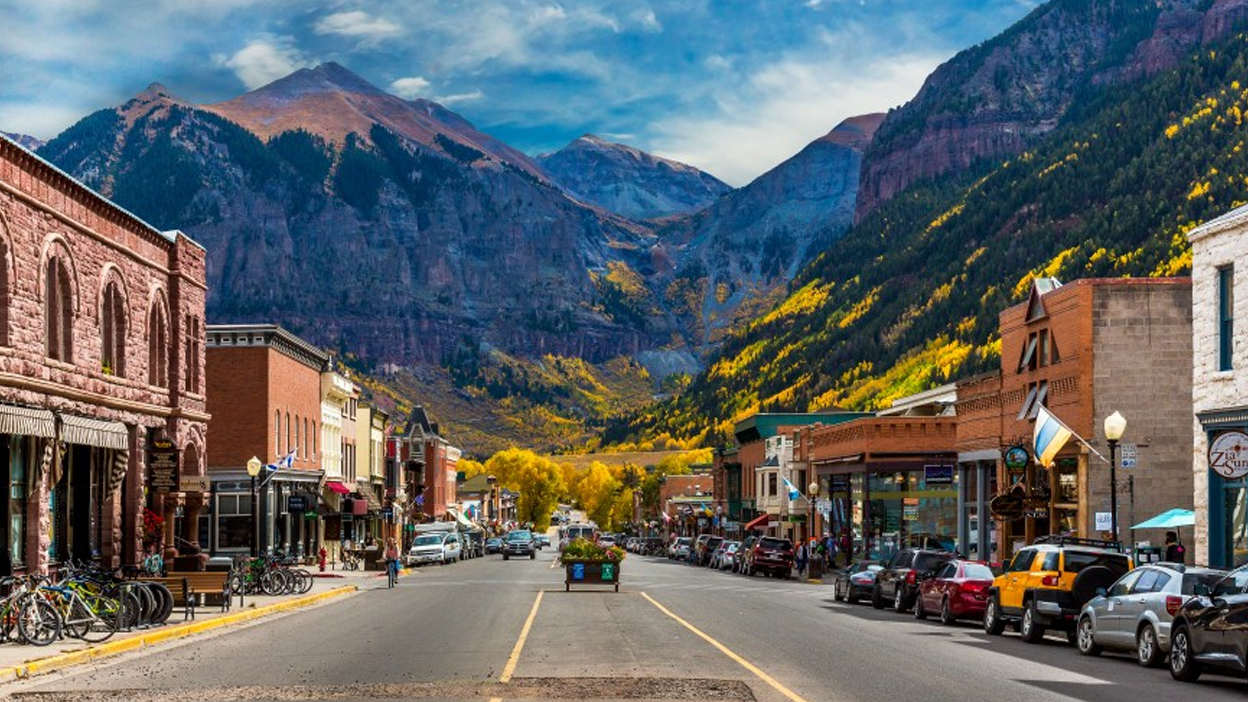
Boulder naturally attracts people whose daily life priorities align with its unique rhythms and values.
Those who prioritize outdoor recreation and wellness culture find Boulder’s environment conducive to their lifestyle. Health-conscious individuals drawn to organic markets, yoga studios, and active living often feel at home here. The city’s pedestrian orientation and opportunity to engage with nature daily appeal to those seeking this blend.
Boulder’s economy supports tech employees, startup innovators, academics, and those with financial means or flexibility to accommodate a premium cost environment. The “Boulder bubble prestige” often resonates with residents seeking a community identity based on shared cultural and lifestyle values.
Conversely, other Colorado lifestyle cities attract residents who prefer different balances. Some seek the dynamic urban energy with professional sports, nightlife, and diverse career opportunities. Families might prioritize suburbs or smaller towns offering more space, affordability, and slower daily rhythms tied to schools and community institutions. Residents valuing budget-conscious living or authentic small-town atmospheres find a good fit elsewhere in the state.
Ultimately, comfort and belonging come from how daily life rhythms and community values resonate with individual preferences—not from universal “bestness.” Different places serve different needs and offer distinct ways of living that suit specific types of residents.
Conclusion
Choosing to live in Boulder versus other Colorado cities fundamentally comes down to aligning your daily life rhythms, community values, and personal priorities with what each place offers.
Colorado’s urban diversity is genuine and pronounced. None of the best Colorado cities holds a monopoly on quality or appeal; instead, each presents a unique way of life with particular trade-offs. Boulder offers walkability, wellness culture, mountain access, and college-town atmosphere at a premium cost. Other cities bring varied rhythms—larger scale urban energy, suburban space, or small-town familiarity—each with its own lifestyle considerations.
Thoughtfully reflecting on questions of movement, social connection, financial parameters, and your relationship to the environment can guide you to where you will truly feel at home. Whether your preference is for the light-footed community steps of Boulder or the broader canvas of other Colorado lifestyle cities, understanding the experiential fit is key to enduring satisfaction.
Living in Boulder Colorado or choosing other cities in Colorado comes down to identifying where your values and daily life find natural resonance—not ranking or comparison, but personal fit.