Moving to San Jose often uncovers a gap between hopeful expectations and the practical reality of daily life here. Understanding what to expect when moving to San Jose is key to navigating this transition smoothly. The adjustment after arrival can be as significant as the move itself, because living in San Jose involves recalibrating routines, budgets, and lifestyles to align with the city’s unique urban and economic landscape.
Newcomers must prepare for financial realities like higher housing and utility costs, which have a direct impact on everyday life. This blog post will provide a detailed look at these practicalities, offering clarity on what newcomers can anticipate and how to ease the process of settling in this dynamic Silicon Valley environment.
The First Weeks: Initial Impressions and Reality Checks
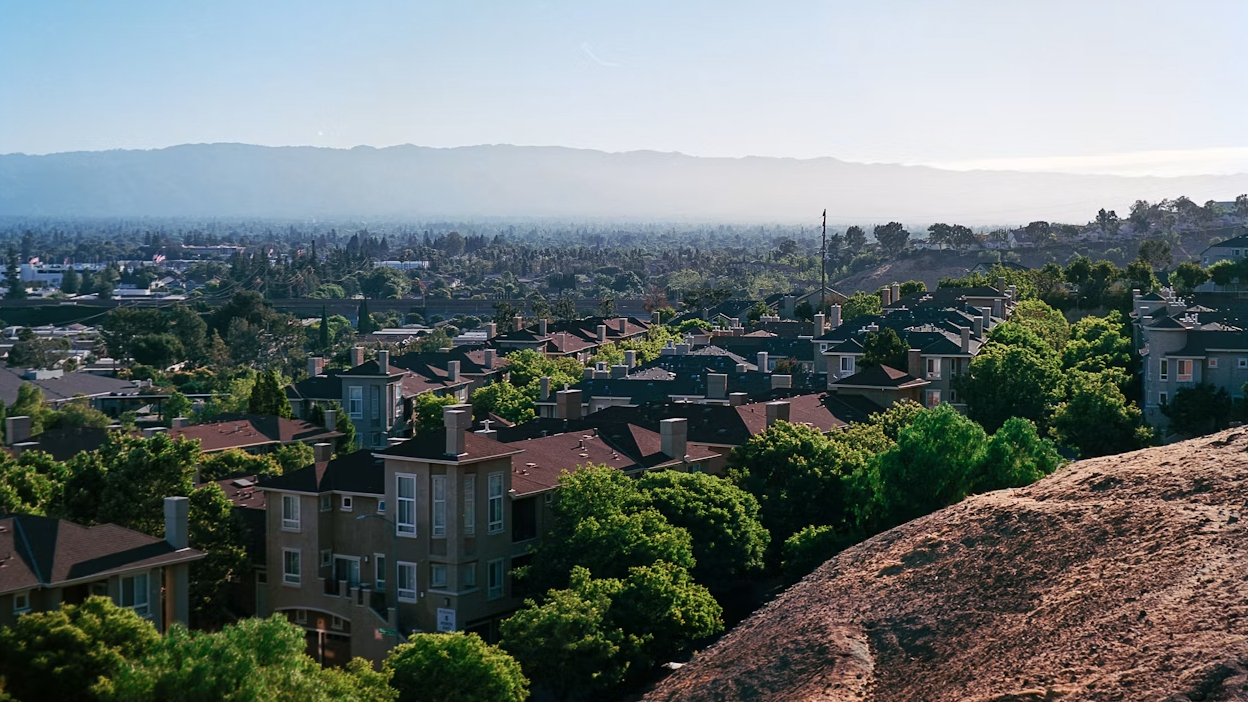
When you first arrive in San Jose, your senses will register immediate differences compared to many other cities. The tempo here is tied tightly to Silicon Valley life—fast-moving and tech-driven. The background hum of traffic and construction noise is a constant rhythm, and wide highways carve through expansive spaces.
This city’s layout is less pedestrian-focused, with a car-centric culture dominating how people get around. Streets spread out rather than cluster tightly, and public transit options feel limited. The mild, dry climate persists year-round, which is a steady backdrop but may contrast with expectations shaped by other climates.
One of the purest surprises for new residents is the elevated cost of groceries. Items like milk and bread are noticeably higher priced than in many other regions. Gasoline prices are also steep, making the dependence on personal vehicles a costly necessity for many.
Beyond costs, there’s a pervasive Silicon Valley life influence everywhere—from billboards promoting startups to everyday conversations infused with tech talk. This immersion in tech culture can feel overwhelming or alien at first, especially for those new to the industry’s environment.
All these sensory and cultural observations form the practical reality that newcomers encounter when moving to San Jose. Recognizing and accepting these initial impressions is a first step toward integration.
Adjusting to Daily Routines in San Jose
Transitioning to life here means adapting your daily schedules to fit the city’s unique rhythms. Commuting patterns, for example, differ strongly from other urban areas. Most residents rely heavily on cars, navigating highways like 101 and 280 that can become congested and slow during rush hours.
The process remains fluid and ongoing, shaped by repeated engagement with San Jose’s housing market, commuting challenges, and social landscape. Feeling fully at home can be an evolving experience rather than a definitive moment.
Recognizing this variability helps manage expectations and avoid undue pressure during the acclimation period after moving to San Jose.
What Helps the Transition Feel Easier

Several strategies can smooth the adjustment. Embracing a patient mindset and setting realistic expectations about the lifestyle changes—and associated higher expenses—is foundational.
Practical adaptations include creating routines that circumvent peak traffic times, helping to save time and reduce stress during commutes. Seeking out networking opportunities within the broad Silicon Valley life tech community allows social and professional connections to form naturally.
Choosing residential areas that balance affordability and accessibility also helps manage financial pressures without sacrificing convenience. Leveraging local high earning potential to buffer transportation and grocery costs is another effective strategy.
Psychologically, embracing the city’s innovation-driven culture can foster resilience. Viewing challenges through the lens of opportunity encourages adaptability. Maintaining financial awareness suited to elevated local costs prevents surprises in monthly budgeting.
Together, these approaches form a realistic and proactive framework to ease the transition when moving to San Jose.
Conclusion
Feeling uncertain or out of place when new to San Jose is a normal and expected element of relocating here. These initial discomforts rarely reflect poor planning or a mismatch with the city, but instead highlight how challenging the adjustment can be given San Jose’s high housing costs, transportation demands, and cultural uniqueness.
The journey to feeling settled is personal and shaped by individual responses to the economic and social environment. Using insights about what to expect when moving to San Jose empowers newcomers to approach this transition thoughtfully, without judgment or undue pressure.
With time, patience, and realistic strategies, newcomers can manage this change effectively, making San Jose a livable and navigable city aligned with their goals and lifestyle.