
Washington, D.C. stands out as a city where historic landmarks blend seamlessly with a modern, vibrant urban scene. This fusion shapes a unique environment for those who call it home or contemplate relocating. Exploring the pros and cons of living in Washington, D.C. involves looking beyond headlines to uncover the mix of appealing qualities alongside everyday challenges that influence how residents experience their routines and lifestyle choices.
This article aims to reveal the nuanced realities behind common opinions about living in DC. It focuses on lived experience rather than statistics or broad generalizations. Factors such as the DC cost of living add layers of complexity to how daily life unfolds here, coloring decisions without dominating the narrative. Whether you are currently living in DC or considering relocating to Washington DC, understanding how these elements interplay offers valuable insight into what life in the capital truly feels like.
The Main Advantages of Living Here
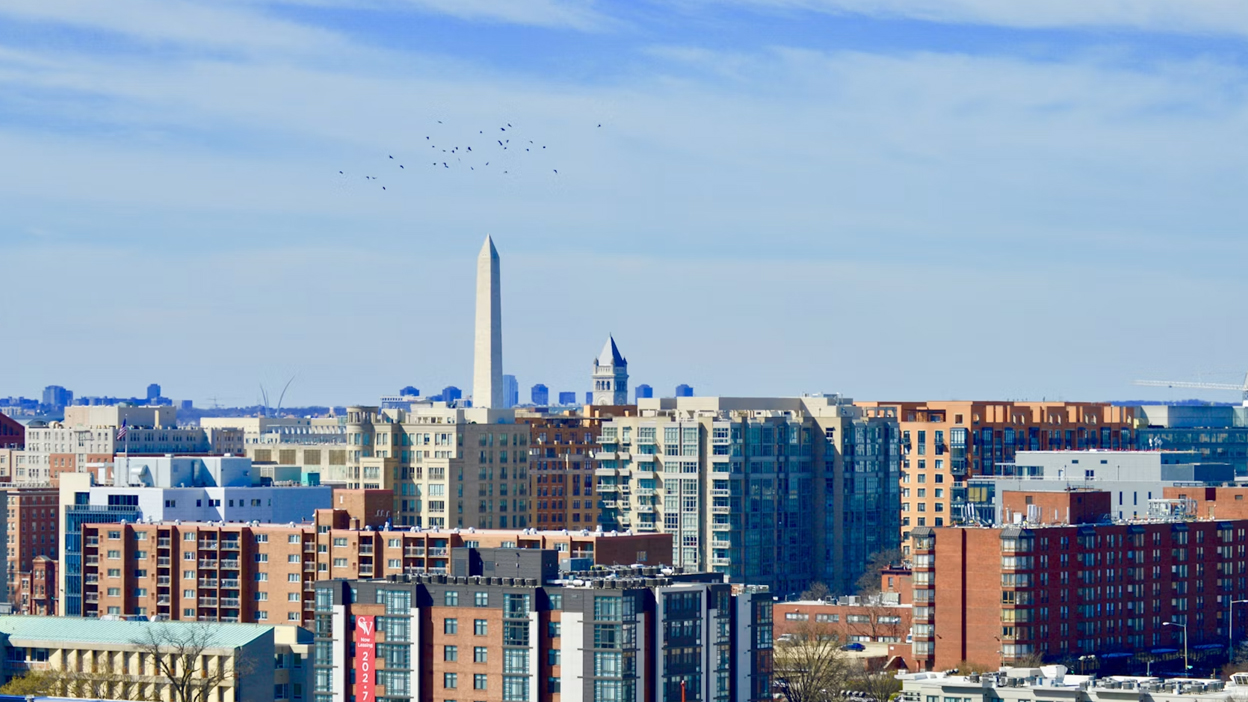
The rhythm of life in the city is closely tied to its iconic historic landmarks and dynamic neighborhoods. Whether it’s the expansive National Mall with its monuments and green spaces or the bustling streets of Dupont Circle and Shaw, daily life is shaped and enriched by being part of this living history blended with urban vitality. People living in DC encounter a backdrop where heritage and energy coexist naturally.
Community ties often emerge through participation in local hubs like Eastern Market —a long-standing marketplace where neighbors cross paths amidst fresh produce and artisanal goods. Nearby, Rock Creek Park offers a natural refuge, inserting quiet greenery into the urban fabric, allowing residents to incorporate outdoor moments into their routines. The city’s frequent cultural events, including Smithsonian festivals, provide ongoing opportunities for engagement and socialization that feel embedded rather than staged.
Cultural richness is another hallmark of this place. Access to world-class museums under the Smithsonian Institution umbrella is a defining feature. Many of these museums offer free entry, making cultural exposure an accessible part of everyday life. The arts scene spreads through areas like the U Street Corridor where music, galleries, and theater thrive. Civic activities linked to national events further deepen the city’s cultural pulse, inviting residents to witness or take part in moments of national significance on a local level.
Living in DC also comes with practical mobility benefits. The metropolitan area features an extensive Metro system connecting a broad swath of neighborhoods, facilitating movement without overreliance on cars. Walkable areas such as Georgetown provide distinct urban experiences where errands and leisure collide within a compact footprint. Supplementing rail transit, bike shares and buses add layers of accessibility, shaping how locals navigate the city’s layout.
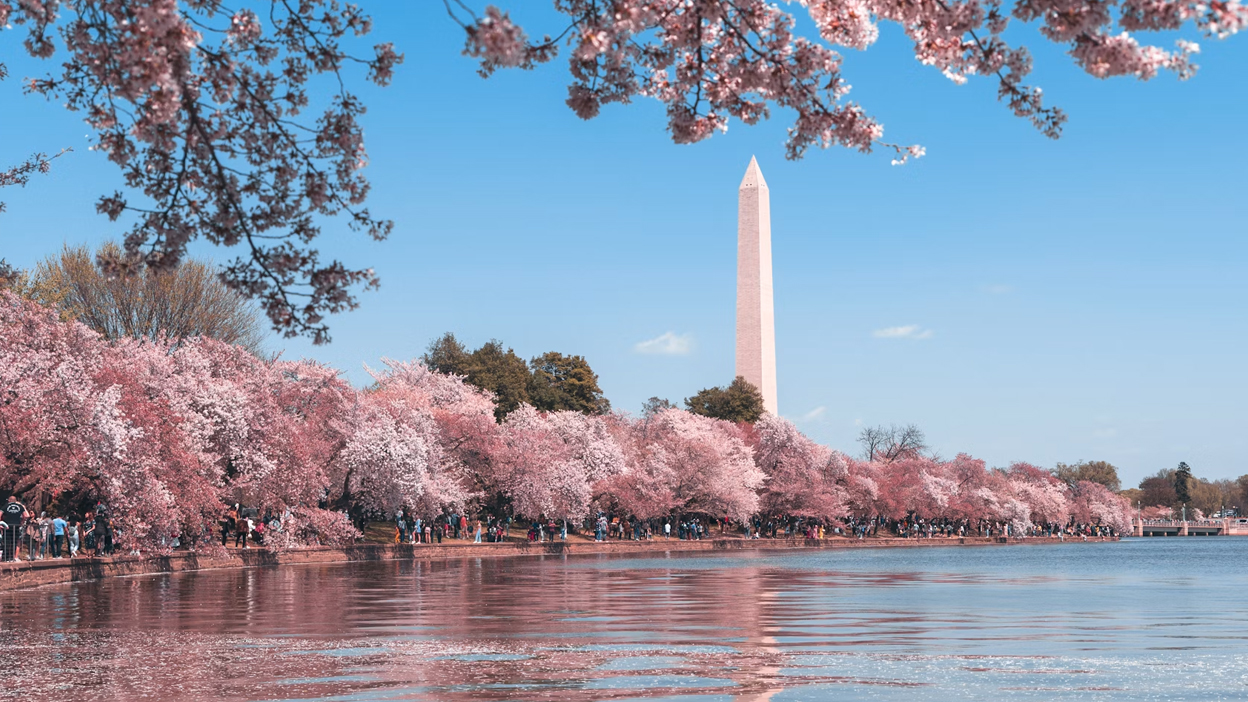
Urban greenery serves as a vital counterpoint to the city’s busy environment. Places like the U.S. National Arboretum and the Tidal Basin offer residents the chance to pause, breathe, and reconnect with nature in ways that soften the impact of the urban setting. These green oases become part of personal and community rituals, underscoring the city’s balance between growth and environment.
Throughout these experiences, the DC cost of living gently frames decisions and lifestyle rhythms. It influences where people settle and how they engage with city amenities without overwhelming the everyday joys or challenges of living here.
Those comfortable with a moderately busy pace find balance through the city’s mix of outdoor green spaces and indoor cultural institutions. This blend suits residents who appreciate seasonal shifts — spending sunny days outdoors and winter evenings participating in indoor civic or artistic programs. Their daily rhythms mirror the city’s own cycle, finding harmony within the changing environment.
Such experiences reflect the varied ways of living in DC, where the cultural richness, mobility options, and urban amenities collectively foster a sense of belonging and opportunity. For those relocating to Washington DC, these attributes often play a significant role in the adaptation process.
Who Might Feel Frustrated Living Here
Not everyone finds the city’s pace and density compatible with their preferences. Individuals who seek quieter, slower environments may encounter challenges related to the persistent urban hum and compressed spaces. The constant background noise and activity levels can feel overwhelming over time.
Expectations around personal space also come into play. Those accustomed to more ample room to move or more subdued surroundings might find the city’s compactness a strain, especially during busy hours or within more crowded neighborhoods.
Climate preferences matter as well. Residents expecting milder seasons without humidity spikes or cold snaps may discover that the city’s weather influences comfort and planning more than anticipated. Adjusting to summer stickiness and winter chill requires flexibility that not everyone welcomes easily.
Transit frustrations emerge from expectations of seamless travel without crowding or delays. While the city offers numerous mobility options, peak times reveal the limits of this infrastructure, which can conflict with desires for calm, predictable commutes.
It is important to emphasize that these frustrations stem from natural differences in lifestyle needs and rhythms rather than personal shortcomings. Incompatibility with the urban fabric here is an understandable response, reflecting varied priorities rather than any flaw in the city’s qualities.
Conclusion
The pros and cons of living in Washington, D.C. meld into the everyday backdrop of life in the capital. From neighborhood vibrancy and cultural treasures to seasonal shifts and urban density, these factors collectively shape how routines and social habits unfold. Reflecting on personal rhythms and priorities offers crucial insight for anyone relocating to Washington DC, particularly when considering how the DC cost of living subtly influences lifestyle decisions.
Understanding these intertwined elements reveals that living here is a complex, adaptive experience. It demands engagement with both the city’s historic weight and its contemporary pulse, inviting residents to find their own place within a multifaceted urban environment shaped by enduring trade-offs.
For those immersed in living in DC, these realities inform daily life in ways that data cannot fully capture, creating a textured, lived story of city life where advantages and challenges exist side by side.