Choosing where to live in California is not about finding the “best”
city in some universal sense. Rather, it is a deeply personal decision—one of matching your preferred lifestyle to the unique rhythms, environment, and cultural character of a place. The diversity of California ensures that each city offers a distinct daily experience shaped by its geography, social fabric, economy, and housing landscape.
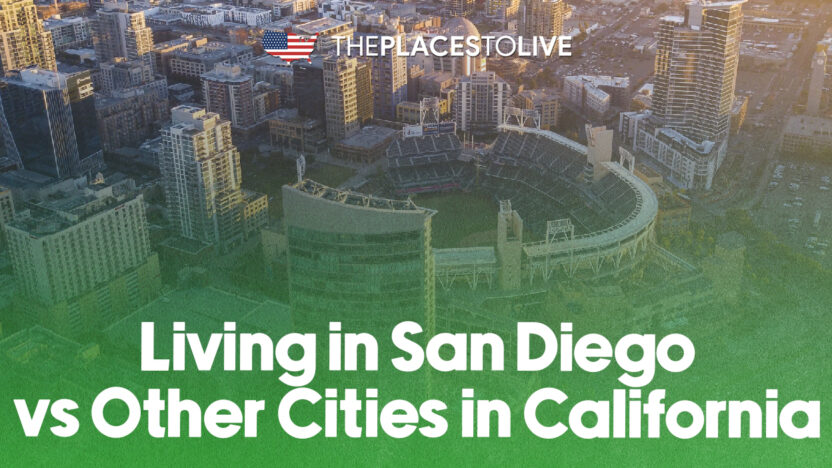
Living in San Diego presents a particular way of life on this broad California spectrum. Its coastal setting, relaxed pace, and balance of urban and outdoor living create a daily experience that stands apart. This blog explores what life feels like in San Diego compared with other cities in the state, focusing on lived experience, trade-offs, and the lifestyle implications—not on ranking or direct conflict.
The Daily Pace and Environment: San Diego’s Coastal Rhythm
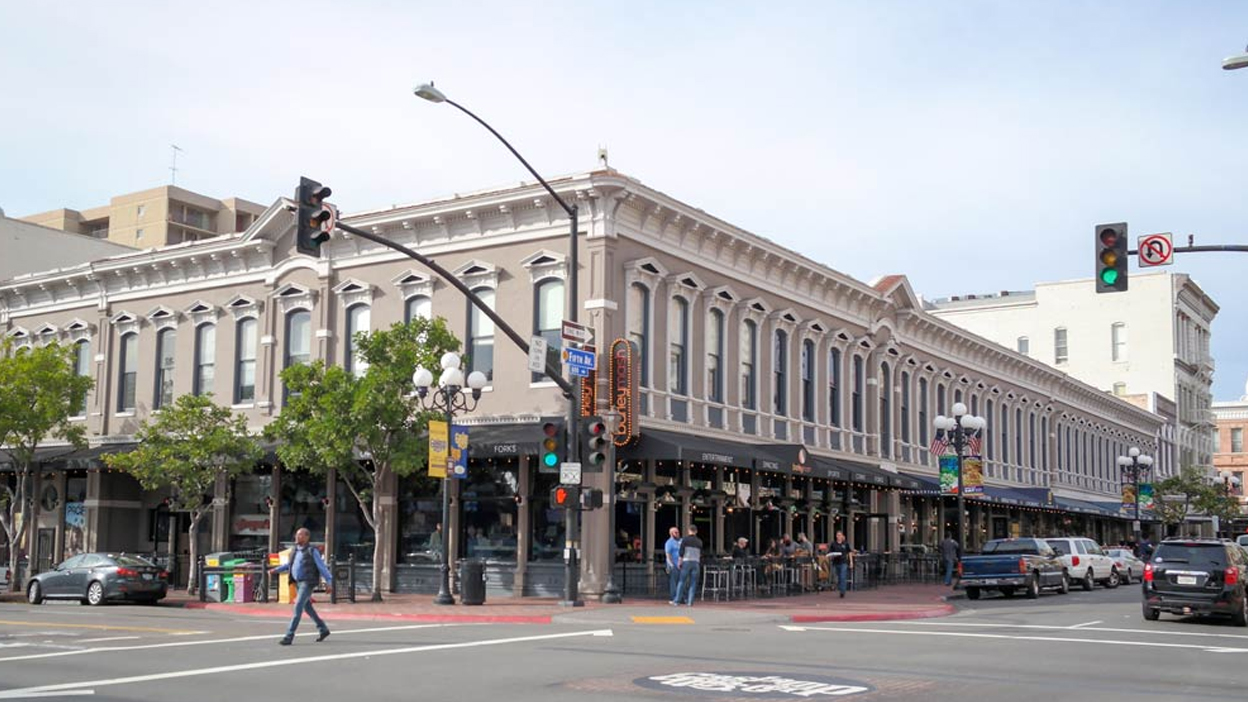
A large part of living in San Diego means adapting to a daily rhythm shaped by the ocean and mild climate. The city’s pace is often described as laid-back and leisure-driven. Residents incorporate outdoor activities like beach visits, surfing, park gatherings, and waterfront walks into their everyday routine, making time outside a standard part of the day.
Sunshine year-round invites early morning surf sessions, lunchtime strolls along the coast, or evening picnics at local parks. There’s a strong integration of natural features into daily living; outdoor spaces are extensions of personal and social life, encouraging a balance between professional obligations and taking pleasure in the environment. Work and leisure do not feel strictly compartmentalized but instead ebb in ways that feel fluid and natural.
By contrast, other California cities span a broad spectrum of daily tempos. Some embody environments where a fast, intense urban energy sets the tone. The rhythm there is punctuated by ambition and constant motion, often tied to large corporate or entertainment industries. Neighborhoods can be dense, bustling, and sometimes overwhelming, cultivating a sense of urgency woven into many routines.
Alternatively, there are cities and communities with lower density and slower rhythms. These places might focus more on agriculture, small business, or local trade with quieter, familiar social circles. Their daily patterns favor measured movement, close-knit relationships, and a different kind of local engagement.
San Diego’s coastal geography and consistently warm, sunny climate naturally encourage outdoor living as a daily baseline experience. This differs substantially from cities where fog, cooler weather, or urban density shift routine living toward indoor cultural venues, transit rides, or high-rise workspaces.
The California lifestyle is thus far from monolithic—San Diego’s version invites a more balanced, nature-oriented tempo that shapes how residents both live and see their day unfold.
Housing and Space Expectations: Balance Between Urban and Suburban
The housing landscape in San Diego offers a blend of urban vibrancy and suburban breathing room. Neighborhoods range from beachfront communities where the ocean is almost a backdoor neighbor, to inland planned developments offering more traditional suburban layouts.
Residents can find apartments, single-family homes, and townhouses within the same city, providing multiple living options that cater to different preferences around space, privacy, and proximity to amenities. Coastal proximity influences neighborhood atmospheres: some are deeply connected to the ocean environment, while others evoke a quieter residential feel further from the shore.
This blend shapes both how people experience their living spaces and their sense of community. There is enough density to promote walkability and social interaction, but also sufficient room for gardens, outdoor patios, or neighborhood parks. The housing character supports a lifestyle that values both connection and space.
Across California, however, these housing patterns vary widely. Certain cities emphasize expansive single-family homes on large lots, often necessitating car travel for daily needs and creating a more spread out, less walkable environment. Others consist primarily of densely packed apartments or condominiums, where private outdoor space is limited and communal areas become central to social life.
Other California cities offer social environments that align with different priorities. In some, social life centers on formal professional networks, fast social tempos, and status-driven interactions shaped by competitive industries. In densely urbanized places, cultural institutions, theaters, galleries, and nightlife create arenas for connection that are as much structured as spontaneous.
Several quieter inland cities foster much more localized, neighborhood-centered social worlds often built around longstanding communal institutions, schools, and local traditions—smaller in scale but deep in relationship quality.
Social fulfillment across the state depends heavily on how much an individual’s style of connection matches the dominant social logic. San Diego’s outdoor, relaxed social rhythm suits people seeking approachability and community through everyday shared experiences rather than career-focused bonding or intense cultural engagement.
Who San Diego Tends to Suit Best
San Diego most comfortably suits those who prioritize a balanced lifestyle where work, outdoor living, social connection, and safety coexist harmoniously. Families, retirees, and people who value stability alongside access to nature often find the city aligns well with their needs.
Entrepreneurs, artists, and professionals connected to biotech and healthcare industries also find San Diego appealing. The city offers career opportunities without engulfing residents in a relentless hustle, permitting time to nurture creativity, community involvement, and personal well-being.
In contrast, other California cities attract people with different life priorities. Those driven by intense career ambitions in entertainment, finance, or tech may seek environments buzzing with professional energy and cultural density, where long hours and networking define social life.
Meanwhile, quieter inland cities appeal particularly to those for whom affordability, slower pace, and space top the list of needs, often encompassing retirees, families seeking room to grow, and individuals who prize a calm daily rhythm above metropolitan amenities.
Ultimately, San Diego’s appeal hinges on its ability to offer a lifestyle where balance and outdoor engagement are everyday realities, making it a particularly strong fit for people who want their city life and natural environment in continual conversation.
Conclusion
Living in San Diego compared to other cities in California means embracing a distinct experience shaped by environment, daily rhythms, housing character, work culture, financial atmosphere, and social life.
San Diego’s coastal location nurtures a laid-back lifestyle that integrates outdoor living and community connection, fostering a rhythm that balances professional engagement with leisure. Its housing landscape offers choices that blend urban density with suburban space, while car-dependent commutes shape daily time management uniquely.
Financially, residents accept moderate pressure as a trade-off for environmental and social benefits. Socially, San Diego thrives on casual, outdoor-oriented connection amplified by multicultural influences. These qualities collectively form a lifestyle that appeals strongly to those seeking balance and stability.
Other California cities offer variations on these themes—ranging from fast-paced urban centers with intense work and social pressures to quieter, more affordable inland communities—each creating trade-offs that align differently depending on individual values and life stages.
The key to feeling comfortable and fulfilled in California hinges less on a universal ranking and more on where your personal rhythms, environment preferences, and community expectations naturally align.
California’s true richness lies in this diversity. Living in San Diego offers a particular kind of coastal California lifestyle, but the state’s many cities represent a wide array of possible life experiences. The meaningful question is which of these distinct rhythms and settings feels most like home for you.