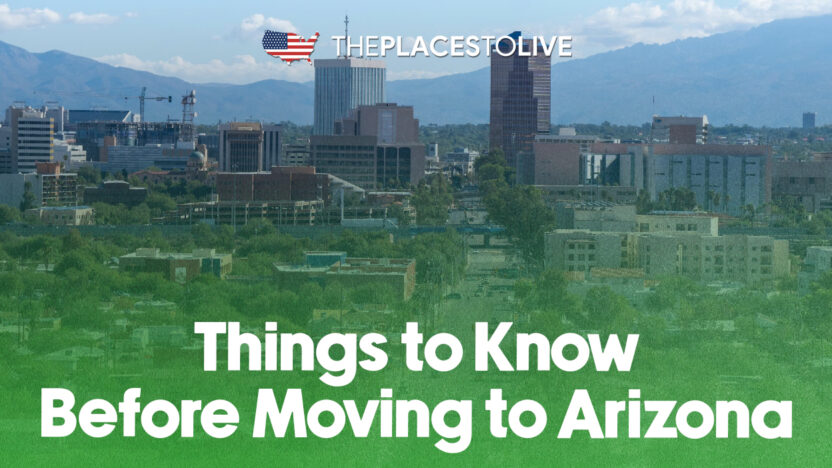
Considering relocating to the Grand Canyon State involves more than choosing a city. This article presents things to know before moving to Arizona by offering a comprehensive look at the state’s geographic diversity, economic sectors, environmental factors, and regulatory environment. Spanning over 113,000 square miles, Arizona’s vast landscape ranges from high-elevation plateaus to arid desert basins. This physical diversity shapes local climate conditions, population distribution, infrastructure, and lifestyle patterns.
For anyone moving to Arizona, understanding these broad statewide realities is essential before narrowing down to specific regions or cities. This overview avoids in-depth city profiles and instead focuses on the larger structural and environmental context that impacts daily life and relocation decisions across the state.
Geographic and Regional Differences Within Arizona
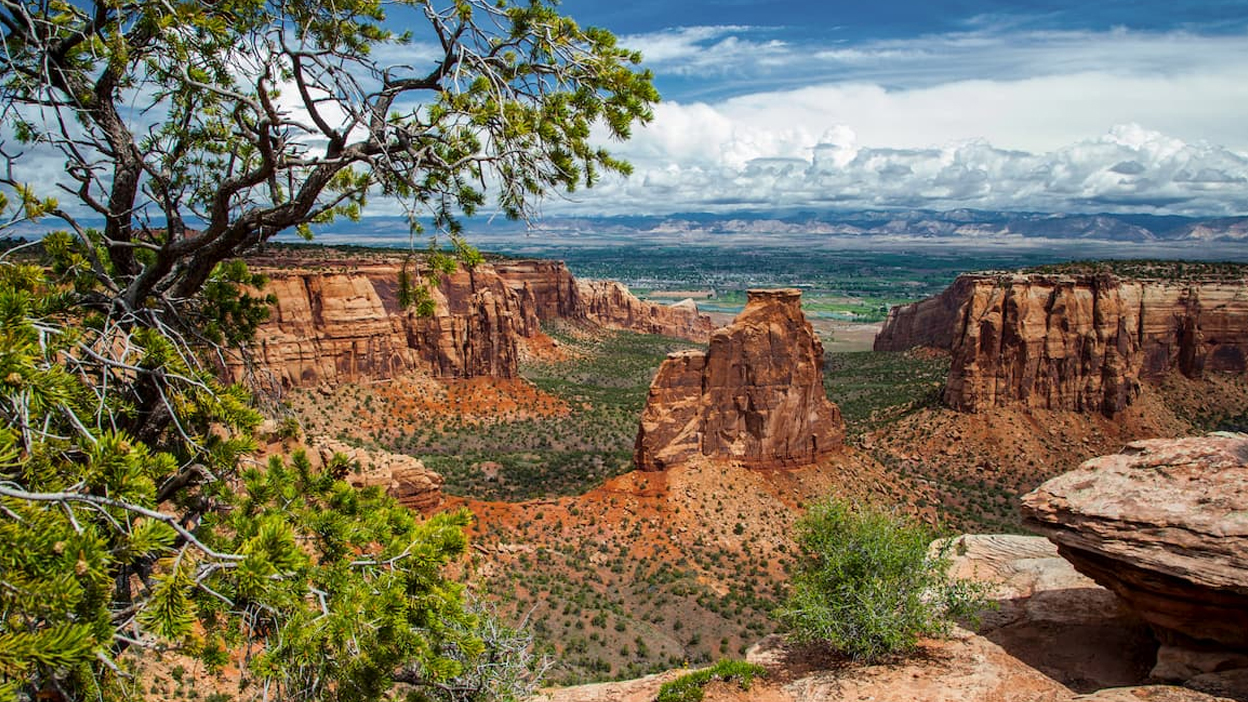
Arizona’s terrain divides into three primary physiographic regions. For a deeper understanding of desirable living areas, exploring the best cities to live in Arizona can offer valuable insights.
- Colorado Plateau (North): This high-elevation region reaches altitudes up to 12,637 feet at Humphreys Peak. It features a cooler climate with annual precipitation ranging from 10 to 25 inches. The rugged landscape includes significant natural landmarks such as the Grand Canyon and supports forested areas and grasslands.
- Basin and Range Province (South and West): Characterized by alternating mountain ranges and desert valleys, this zone has a predominantly arid to semi-arid climate. The low-elevation deserts within this region, including the Sonoran Desert surrounding Phoenix and Tucson, experience extremely hot temperatures and sparse rainfall.
- Transition Zone (Mogollon Rim): Acting as a geographical bridge between the Plateau and Basin, this area has mountainous terrain with increased rainfall compared to southern deserts. This zone is notable for its elevated wildfire risks due to dense forests and drying trends.
Elevation strongly influences temperature variation across Arizona. For example, Flagstaff on the Plateau experiences temperatures roughly 30°F cooler than Phoenix in the low-lying Basin and Range. This difference profoundly affects living conditions, with cooler summers and colder winters in the north versus scorching heat in southern desert areas.
Geography also shapes infrastructure and population patterns. Urban development primarily concentrates at lower elevations within the Basin and Range, resulting in sprawling cities with car-centered layouts. Infrastructure in northern regions adapts to rugged terrain, such as highways navigating canyons and bridges. Natural hazards vary regionally: wildfires predominate in forested Transition and Plateau zones, while monsoon-driven flash floods pose a significant threat in desert valleys during summer.
For those anticipating desert climate living, awareness of intense heat, limited precipitation (<4 inches annually in some southern deserts), and natural hazard patterns is critical.
Urban vs Rural and Regional Living Patterns
Arizona exhibits stark contrasts between densely populated urban centers and rural highland areas:
- Urban Areas: The Phoenix metropolitan region, home to over 4.5 million residents, sits squarely within the hot Sonoran Desert on the Basin and Range Province. It is characterized by sprawling development with significant car dependency. Tucson operates as a smaller city with similar desert climate conditions. Comparing living in Phoenix versus other cities in Arizona helps highlight differences in lifestyle and infrastructure.
- Rural Areas: The northern Colorado Plateau and Transition Zone offer cooler, forested highland environments with lower population densities. These areas have relatively sparse infrastructure and more limited access to services such as broadband internet, healthcare facilities, and public transportation.
Unlike coastal states, Arizona has no seacoast, but a distinct north-south living division exists: the southern desert lowlands feature hot, arid urban environments, while the northern highlands provide cooler, elevated spaces with widely dispersed inhabitants.
Cultural, Social, and Lifestyle Norms
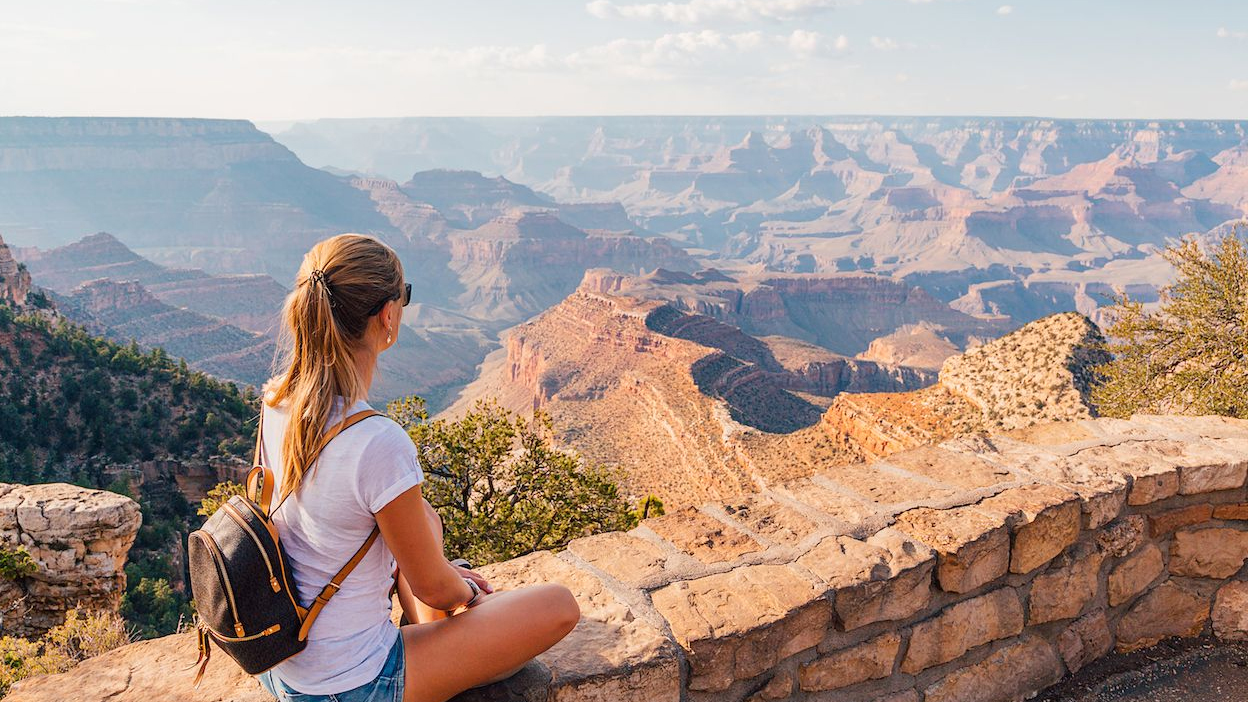
Arizona’s demographic and cultural composition reflects its diverse geography and history:
- The state has an increasing retiree population attracted by warm desert winters.
- There are significant Native American communities, with 22 federally recognized tribes located primarily on the Colorado Plateau and Transition Zone reservations.
- A growing Hispanic population now accounts for over 30% of the statewide total.
Lifestyle activities often align with climate zones, with residents engaging in outdoor recreation adapted to heat conditions. Hiking in mountain highlands, exploring desert flora, and scheduling outdoor activities for mornings or evenings to avoid midday heat are common.
Access to education and healthcare centers is concentrated in metropolitan areas, while rural communities experience service gaps.
These patterns reflect the practical realities of things to know before moving to Arizona, grounded in social infrastructure and climatic adaptability rather than cultural anecdotes.
Taxes, Regulations, and Long-Term Planning Factors
Arizona maintains a relatively straightforward tax and regulatory framework:
- The state employs a flat income tax rate near 2.5%.
- Combined state and local sales tax averages about 5.6%.
- Property taxes are comparatively low across most jurisdictions.
Insurance costs vary regionally in response to exposure to wildfire, flood, and drought hazards.
Environmental regulations and zoning practices focus heavily on hazard mitigation. Developments in wildfire-prone areas of the Transition Zone and Colorado Plateau are subject to restrictions. Similarly, flood-risk zones in monsoon-affected deserts require careful planning and structural safeguards.
Drought resilience and water resource conservation guide long-term urban and rural planning, reflecting the state’s commitment to managing environmental vulnerabilities.
Who Arizona Is Generally a Good Fit For
Arizona tends to suit several demographic and occupational profiles:
- Retirees seeking mild winters and affordable housing in southern desert areas.
- Outdoor enthusiasts comfortable with desert heat and higher elevation recreational opportunities.
- Professionals in technology, aerospace, and healthcare who can access employment in metropolitan hubs such as Phoenix and Tucson.
- Individuals who accept car-dependent lifestyles and regional variability in living costs.
Those prepared for desert climate living with heat tolerance and an understanding of infrastructure realities often find Arizona appealing.
Who Should Research Further Before Moving
Certain populations should engage in more detailed local research before committing:
- Families prioritizing education quality, due to variability across metro and rural schools.
- Individuals with health sensitivities to heat, dust, drought, or wildfire-related air quality, who may require specialized medical resources.
- Those reliant on robust public transit or seeking employment beyond main metropolitan economies, including residents in rural or non-agricultural zones.
This demographic is encouraged to complement this statewide overview with specific regional data and community-level services analysis.
Conclusion
Understanding the broad geographic diversity, climate challenges, economic landscape, infrastructure realities, and regulatory environment is crucial before moving to Arizona. This comprehensive statewide overview of things to know before moving to Arizona equips prospective residents to make informed choices and guides targeted local research. A successful relocation depends on recognizing how Arizona’s complex mix of desert climate, elevation shifts, urban-rural divides, and environmental risks will impact daily life and long-term planning.
By grounding expectations in these factual, structural insights, future Arizonans can better identify the cities and regions that align with their personal and professional needs.