Relocating to Georgia involves understanding a variety of factors unique to this southern state. This article presents a broad and objective guide on things to know before moving to Georgia, focusing on statewide realities rather than city-specific details. Prospective movers will find practical insights on Georgia’s geographic diversity, cost of living, climate, economy, infrastructure, culture, and regulations. This foundational overview aims to help those considering moving to Georgia evaluate the state holistically, especially in the context of southern states living.
Geographic and Regional Differences Within Georgia
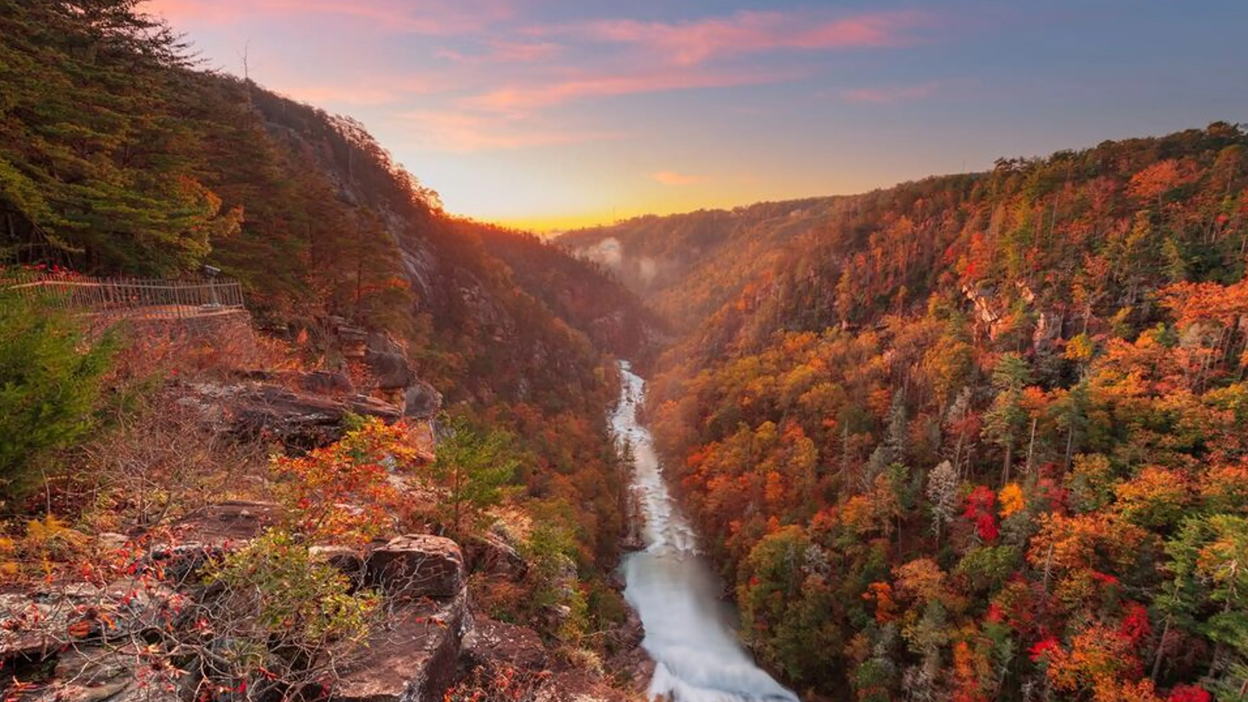
Georgia’s landscape is divided into five major physiographic regions: the Appalachian Plateau, Ridge and Valley, Blue Ridge, Piedmont, and the Coastal Plain (also known as the Atlantic Coastal Plain). Each of these regions offers unique environmental and geographic characteristics that shape living conditions statewide. Exploring the best cities to live in Georgia can provide insight into how these diverse geographic regions translate into different living experiences.
- The Appalachian Plateau lies in northwest Georgia and features rugged terrain with elevations reaching up to approximately 4,700 feet. This region is characterized by forested mountains such as Lookout Mountain, numerous caves, and outdoor recreation opportunities. The high relief and steep topography limit built development and create cooler microclimates relative to lower elevations.
- Adjacent to the plateau, the Ridge and Valley region contains folded ridges and fertile valleys formed of limestone and sandstone. This area is known for extensive forest cover and agricultural suitability. Elevations vary moderately, and soil types favor farming, contributing to diverse rural landscapes.
- The Blue Ridge region is northeast Georgia’s mountainous area home to the state’s highest peaks—ranging from 2,000 to over 5,000 feet. Metamorphic rock formations like gneiss and slate give rise to mountainous terrain with rich loamy and clayey soils alongside numerous streams and lakes. These factors contribute to cooler temperatures and distinct natural surroundings.
- Central Georgia is dominated by the Piedmont, characterized by rolling hills and foothills that mark the transition between mountains and coastal plains along the Fall Line. This area offers well-drained soils and relatively moderate elevation, fostering urban growth, infrastructure development, and mixed land uses including agriculture.
- The Coastal Plain, covering southernmost Georgia, comprises flat, sedimentary landscapes from Cretaceous to recent times. It is split into Upper and Lower Coastal Plains and benefits from rich soils conducive to farming. However, proximity to the Atlantic Ocean and the Gulf of Mexico increases exposure to hurricanes, flooding, and related environmental risks. Coastal development patterns respond to this vulnerability.
Elevation differences—from sea level in the Coastal Plain to nearly 4,700 feet in the Appalachian Plateau—produce important microclimatic variations. Cooler mountainous zones contrast with generally hot and humid lowlands. Population distribution strongly favors the Piedmont due to its favorable terrain and infrastructure, showing how geography influences lifestyle and development. Understanding these regional distinctions is key to grasping things to know before moving to Georgia.
Urban vs Rural and Regional Living Patterns in Georgia
Georgia’s settlement patterns reflect stark contrasts between urban concentration and rural dispersion, shaped largely by geography. Understanding urban and rural lifestyles more deeply can help prospective movers choose between city life and quieter surroundings.
Urbanization is concentrated predominantly in the Piedmont region, which includes Georgia’s largest metropolitan hubs. These areas feature dense populations, extensive infrastructure, and diversified services. Urban centers act as economic engines with significant suburban growth spreading into adjacent zones. This suburban expansion leverages road networks and utilities but also introduces disparities in access and commute patterns compared to central cities.
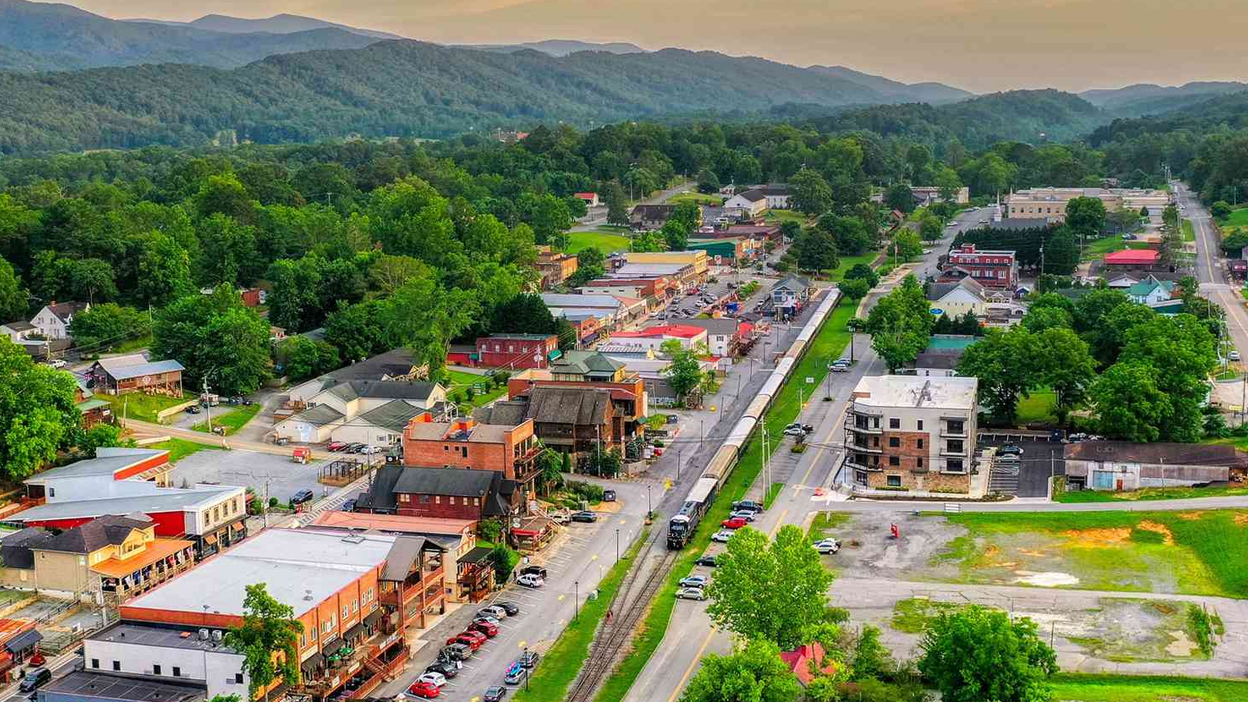
Outside the Piedmont’s urban core, rural regions—especially the Blue Ridge, Ridge and Valley, and Appalachian Plateau—remain sparsely populated. These localities are marked by forested, mountainous terrain and relatively limited infrastructure and public services. Residents in these areas often face isolation and fewer amenities.
The Coastal Plain offers a moderate-density living environment with a distinct tourism influence. Coastal towns balance economic activity between agriculture, shipping, and visitor services. Yet environmental risks such as flooding and hurricanes affect development density and infrastructure resilience in these areas.
Cultural, Social, and Lifestyle Norms in Georgia
Georgia exhibits distinct demographic and social characteristics shaped by its varied geography.
Population growth and increasing diversity are most apparent in the Piedmont, contributing to dynamic urban and suburban communities. In contrast, the rural Coastal Plain and mountainous areas tend to maintain more traditional, family-focused social structures.
Broadly, southern cultural traits such as hospitality, community orientation, and an agricultural heritage are prevalent throughout the state. These manifest in local social networks, civic engagement, and lifestyle norms without reliance on specific entertainment or cultural scene details.
Such state-level social dynamics provide a contextual backdrop for newcomers considering relocation, offering a general framework without subjective or emotive input, important when assessing things to know before moving to Georgia.
Taxes, Regulations, and Long-Term Planning Factors in Georgia
Tax policies in Georgia include a graduated state income tax, a state sales tax rate around 4%, supplemented by varying local sales tax add-ons. Property taxes vary considerably by county; coastal flood zones generally have higher valuations due to environmental vulnerability.
Mandatory insurance, such as hurricane and flood coverage, is required in at-risk coastal areas, increasing long-term housing costs. Zoning laws can be strict near sensitive geographical features like mountains and the Fall Line to preserve environmental integrity and minimize hazard exposure.
State-level environmental regulations protect wetlands in the Coastal Plain and enforce erosion control in the Blue Ridge, directly influencing housing and development options for residents.
These fiscal and regulatory frameworks are vital for realistic long-term planning and form core things to know before moving to Georgia.
Who Georgia Is Generally a Good Fit For
Georgia’s geographic and economic landscape makes it suitable for a range of residents with varying priorities.
- Logistics and transportation professionals often find opportunities in the economically vibrant Piedmont region.
- Agricultural workers and related industries align naturally with the Coastal Plain’s farming economy.
- Retirees seeking mild winters and affordable southern states living conditions often favor rural mountain or inland areas.
- Outdoor enthusiasts drawn to hiking, fishing, and natural scenery find suitable environments in the Blue Ridge and surrounding mountain regions.
These general profiles reflect how statewide conditions connect with prospective movers’ occupational and lifestyle preferences without focusing on any single city.
Who Should Research Further Before Moving to Georgia
Certain groups will benefit from more targeted research beyond statewide data. Families looking for a supportive environment can refer to rankings of the best cities to raise a family in Georgia to inform their planning.
- Families emphasizing top-tier educational options should investigate specific counties and school districts within the Piedmont and other regions.
- Specialized tech and biotech workers seeking niche employment opportunities need to identify localized job markets.
- Individuals dependent on robust public transit systems should assess urban centers carefully, given limited rural transit.
- Those sensitive to humidity, hurricanes, or flooding must scrutinize county-level environmental risks, especially in coastal and flood-prone zones.
Consulting detailed regional and county data beyond this comprehensive state overview is essential for tailoring decisions aligned with individual needs when moving to Georgia.
Conclusion
Evaluating diverse factors such as geography, economy, climate, infrastructure, culture, and regulations is critical when choosing to relocate within Georgia. This article has provided a structured, factual foundation of things to know before moving to Georgia, offering prospective movers the objective knowledge necessary for informed decisions related to southern states living. Utilizing this statewide perspective in combination with localized research leads to a smoother relocation process and better alignment with personal and professional goals. Population trends and migration patterns from the U.S. Census Bureau provide important demographic context for understanding Georgia’s growth and development.
This comprehensive guide aims to support readers in the research and planning phase, facilitating well-informed choices for moving to Georgia.