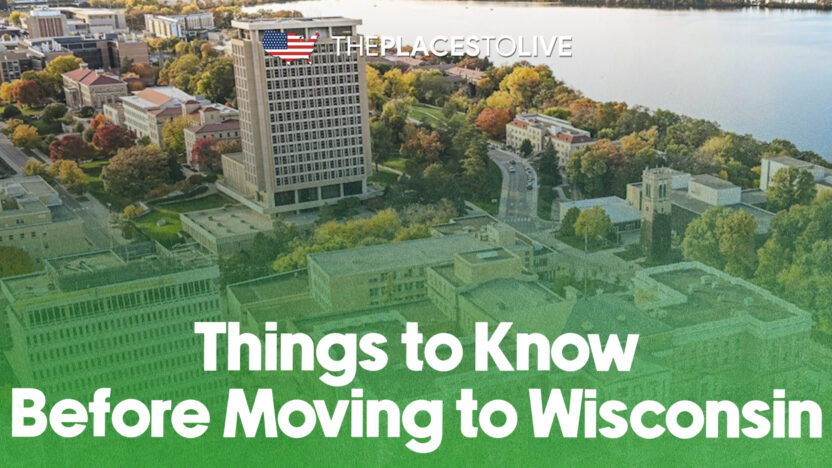
Planning a relocation can be a complex process, and the things to know before moving to Wisconsin are essential to consider. This article provides a broad, factual understanding of Wisconsin’s geographic diversity, economic structure, climate conditions, cultural norms, and regulatory environment. It is designed for those researching moving to Wisconsin who want an objective statewide perspective to aid their decision-making. Wisconsin embodies many aspects of the Midwest lifestyle, but understanding its structural realities ensures a more informed choice before selecting a specific city or region.
Geographic and Regional Differences Within Wisconsin
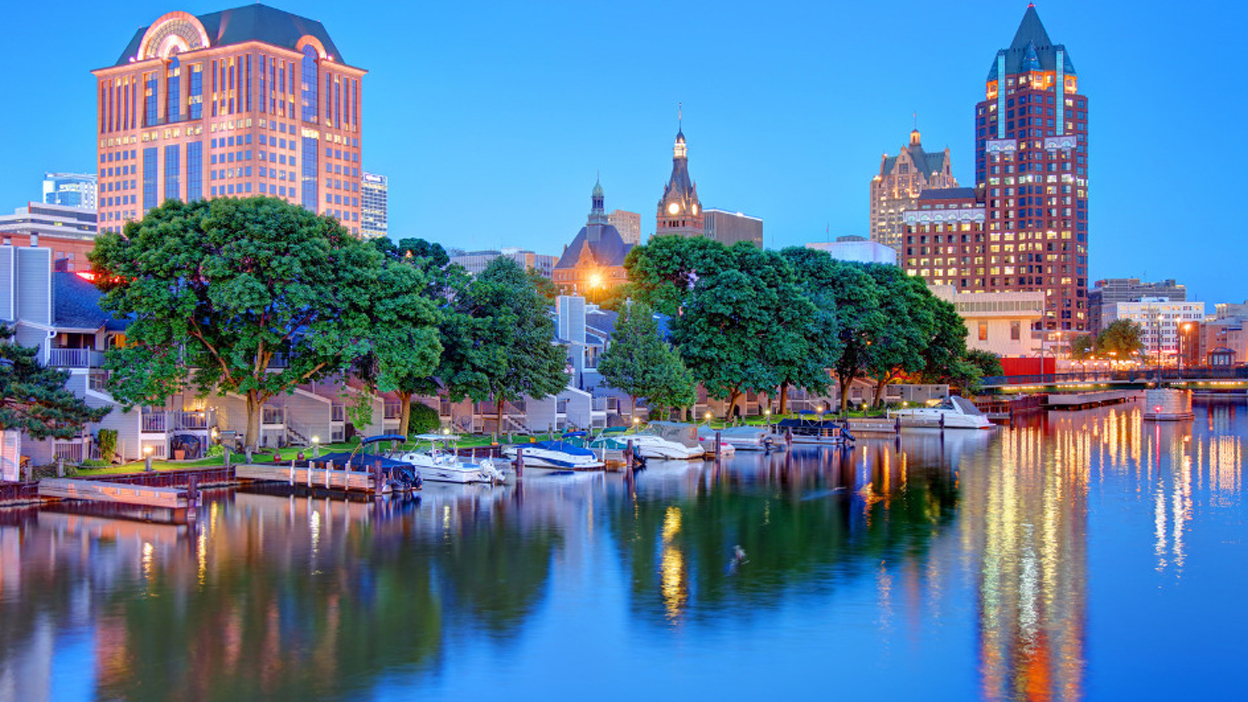
Wisconsin’s geography shapes its climate, economy, and living environments, making regional variations critical to recognize.
Northern Forests and Lakes Region
The northern section of Wisconsin is dominated by extensive forested areas, including boreal and northern hardwood ecosystems. This region features many lakes, rolling terrain, and smaller communities mainly focused on tourism, forestry, and recreation. Climatically, it represents the coldest growing zones in the state—hardiness zones 3b to 4a—with shorter growing seasons and harsher winters. These geographic realities influence settlement patterns, economic activities, and infrastructure development.
Central Agricultural Plains
Central Wisconsin consists largely of agricultural lands with notable geological features such as the Central Sand Hills and parts of the Driftless Area. This region supports Wisconsin’s robust dairy and farming economy and has moderately cold growing zones between 4b and 5a. The terrain and soil quality are conducive to agriculture, shaping a landscape of farmlands mixed with smaller towns and rural settlements.
Southern Urban Areas
The southern part of Wisconsin houses its main urban economic centers, including metropolitan Milwaukee and Madison. This region experiences milder winters relative to northern areas, falling into hardiness zones 5a to 5b. The natural landscape includes remnant prairie and oak savannas interspersed with dense urban development. These southern urban zones offer greater population density and infrastructure but come with higher housing prices and living costs.
Great Lakes Coastline
Wisconsin’s Lake Michigan shoreline creates a distinctive climate zone, the warmest in the state at hardiness zone 6a. The lake effect moderates winter temperatures, resulting in milder winters and increased cloud cover in fall and winter. This climate distinction affects housing demand, recreational opportunities, and ecological characteristics along the coast.
The Tension Zone and Elevation Effects
A key geographic and climatic feature is the “tension zone,” an S-shaped band dividing northern and southern Wisconsin. This zone marks a transition in species distribution, climate patterns, and settlement density. Areas north of the tension zone tend toward colder climate types and species typical of northern forests, while areas to the south align with more temperate ecosystems. Despite limited statewide elevation variation, subtle terrain differences produce microclimates impacting agriculture, weather, and urban planning.
Environmental Risk Considerations
Wisconsin’s geography brings specific environmental risks. Flood-prone areas are common near lakes and rivers, particularly during the spring snowmelt. Winter weather poses challenges that vary regionally, such as heavier snowfall in the north versus more lake-effect moderated conditions along the southeast coast.
Urban vs Rural and Regional Living Patterns in Wisconsin
Knowing the differences between urban, suburban, and rural living across Wisconsin helps frame expectations.
Urban Centers
Major urban hubs like Milwaukee and Madison feature high population density and comprehensive infrastructure. These cities provide access to advanced healthcare, diverse educational institutions, and expanded commercial amenities. Although public transit systems exist, they remain limited compared to larger US metropolitan areas. Housing in these centers tends to be more expensive relative to other parts of the state, reflecting demand and infrastructure availability.
Suburban Areas
Suburban neighborhoods generally offer moderate population density with a residential focus. These areas depend heavily on private vehicle use due to limited transit options but provide a balance of accessibility to urban amenities with somewhat lower housing costs. Suburbs serve as important residential zones for workers commuting into cities.
Outdoor Recreation
Four-season climate encourages year-round outdoor activities such as boating, fishing, snowmobiling, skiing, and hunting. Recreational culture is deeply embedded in Wisconsin’s lifestyle and economy.
Seasonal Celebrations
Local traditions revolve around the agricultural calendar and seasonal changes, with fairs, festivals, and sporting events tied to summer harvests, fall foliage, and winter sports.
Demographics and Heritage
Wisconsin’s cultural fabric is influenced by Northern European immigration patterns, with increasing urban diversity in larger cities as younger professionals and new residents arrive.
Taxes, Regulations, and Long-Term Planning Factors in Wisconsin
Wisconsin’s fiscal and regulatory environment shapes relocation feasibility.
Taxation Overview
Residents pay state income tax rates that increase by income bracket, alongside a statewide sales tax with local additions. Property taxes vary by locality and are a crucial factor in housing affordability and budgeting.
Insurance Costs
Homeowners and auto insurance premiums reflect the state’s climate-related risk factors, including winter weather hazards and seasonal damage potentials.
Zoning and Environmental Regulations
Municipal and county zoning laws regulate land use, influencing housing development and industrial operations. Wetlands and shoreline areas have protections aligned with Great Lakes environmental standards. Building codes mandate resilience features such as snow load tolerance and drainage infrastructure.
Long-Term Considerations
Prospective residents should account for seasonal expense volatility, potential climate adaptation needs, and infrastructure investments influencing property values and quality of life.
Who Wisconsin Is Generally a Good Fit For
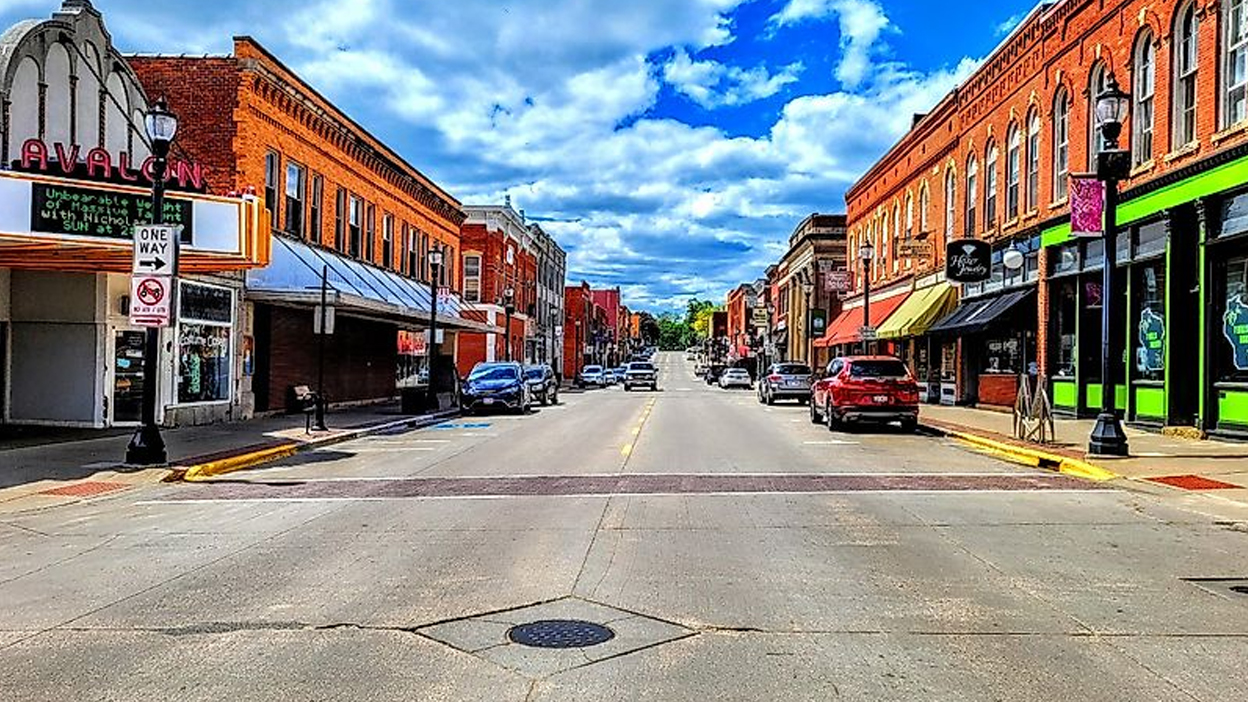
Wisconsin’s diverse conditions appeal to a range of demographic groups:
- Outdoor recreation enthusiasts appreciating access to lakes, forests, and four-season activities.
- Families seeking affordable housing with strong community ties.
- Individuals attuned to Midwest lifestyle values around community and seasonal traditions.
- Workers in manufacturing, agriculture, healthcare, and education sectors.
- Retirees attracted by moderate cost of living, healthcare accessibility, and recreational options.
- Young professionals drawn to urban amenities with lower costs than major national cities.
- Those comfortable with winter weather and seasonal climate variation.
Who Should Research Further Before Moving to Wisconsin
Certain populations require additional investigation before concluding a move:
- Those needing specialized healthcare should verify local facility availability.
- People depending on public transit must analyze transit options in specific communities.
- Individuals sensitive to harsh winters should experience Wisconsin winters firsthand.
- Workers in highly specialized fields should confirm job market suitability regionally.
- Persons needing extensive cultural, educational, or social services should evaluate local provision.
- Prospective residents should conduct city- and county-level research to align with particular needs.
Conclusion
The things to know before moving to Wisconsin encompass a broad array of factors that shape statewide living conditions. Wisconsin’s geographic diversity, encompassing forested northern lakes, central agricultural plains, southern urban centers, and Lake Michigan coastline, offers varied residential environments. The balanced Wisconsin cost of living is moderated by winter-associated expenses and regional housing disparities. Economic opportunities cluster in manufacturing, agriculture, healthcare, and tourism, while transportation depends heavily on vehicle ownership outside major cities.
The climate’s marked seasonality and evolving warming trends pose both lifestyle considerations and regulatory impacts. Wisconsin’s cultural identity reflects a strong Midwest lifestyle emphasizing community and outdoor recreation. Understanding these statewide realities is essential before narrowing your relocation search to specific Wisconsin communities. Thoughtful, comprehensive research ensures alignment of personal and professional needs with Wisconsin’s diverse living environments, paving the way for a successful transition.