
Moving to a new city brings many questions, especially when it’s a place like Aurora, Colorado. This guide covers the essential things to know before moving to Aurora, Colorado. It focuses on the real-life details that newcomers face, such as cost, housing, commuting, and lifestyle. Aurora is one of the Denver suburbs offering people a suburban lifestyle while still being near the city’s amenities. It often appeals to families and anyone looking for more affordable living close to Denver. This article aims to give a clear view of what living in Aurora CO really means without extra hype or guesswork.
Why People Choose to Move to Aurora

One of the main reasons people consider a move to Aurora is its practical value. Compared to Denver, Aurora generally has lower housing costs, which helps many families and workers get more space for less money. Being part of the Denver suburbs, Aurora lets residents reach Denver’s workplaces and services without paying Denver’s higher prices.
For those priced out of Denver, Aurora offers a middle ground—still attached to the metro area but at a more affordable rate. It’s especially popular for families who want suburban space with access to urban jobs. The choice to move here often comes down to balancing cost, work location, and the desire for a neighborhood feeling.
How the Cost of Living Shapes Daily Life
Living in Aurora means handling a cost of living that’s a bit lower than Denver’s but remains above average compared to the rest of the country. Housing is the biggest factor that cuts monthly expenses since homes and rentals are noticeably cheaper than in Denver.
However, residents often find that transportation costs are higher. Because Aurora’s public transit options are limited, many rely on cars for commuting and errands. This leads to more money spent on gas, car upkeep, and parking. Utilities, like electricity and gas, run close to Denver’s rates, so there aren’t huge gains there. Food prices in Aurora tend to be slightly below national norms, offering some relief when grocery shopping.
Overall, saving on housing can be offset by extras in travel and health costs. This calls for careful budgeting if you’re moving to Aurora, especially if you want to live comfortably but avoid surprises.
Understanding Housing and Neighborhoods
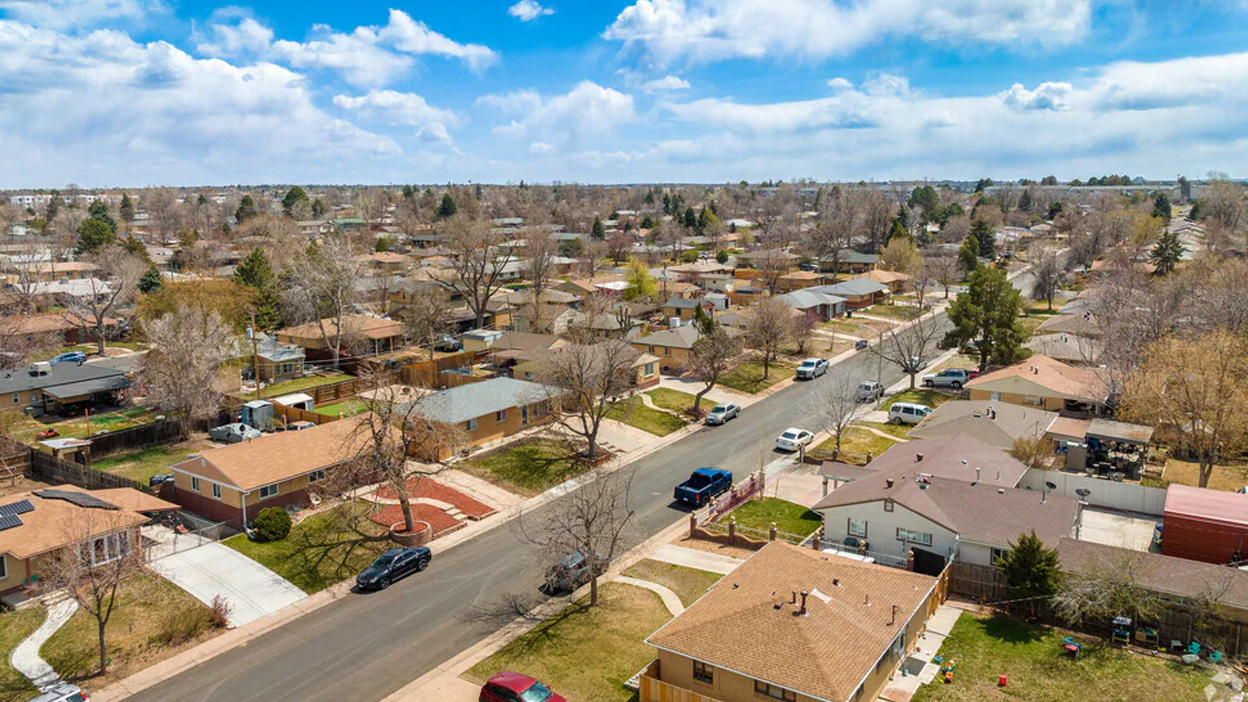
Aurora’s housing landscape is quite varied. You’ll find older, established neighborhoods mixed with newer developments. Across the Denver suburbs, Aurora generally remains more affordable, but prices and styles cover a wide range. Some neighborhoods offer larger homes and green spaces suitable for families, while others focus on convenience closer to main roads for shorter commutes.
Practical Steps and Challenges After Moving
Once you arrive in Aurora, there are a number of important tasks to handle quickly. These include updating your driver’s license and vehicle registration to your new Colorado address. Utilities like electricity, water, and gas need to be set up or transferred, and if you have children, enrolling them in local schools is a priority.
Don’t forget to change your voter registration and insurance policies to reflect your new home. Keeping your address updated with banks, employers, and government agencies ensures you don’t miss important mail or services. Missing these details can cause unnecessary headaches.
Common Challenges New Residents Face
Finding the right home within your budget can be stressful in Aurora’s competitive housing market, even though it’s more affordable than Denver. Many people face long searches, compromises on neighborhood preferences, or bidding wars.
Managing finances requires attention since overall living costs stay above the national average. Unexpected expenses around transportation and healthcare often surprise newcomers who haven’t fully factored them in.
Adjusting to Aurora’s suburban nature also poses challenges. The need to drive everywhere, the slower social pace, and fewer entertainment options can feel isolating for those used to an urban environment. The daily commute to Denver can affect family time and energy levels, especially in winter months.
Building a social network here generally means actively joining community groups or local events rather than relying on chance meetings. Keeping realistic expectations helps new residents adapt more smoothly.
Conclusion
Moving to Aurora offers affordable housing close to Denver with a chance to enjoy suburban living. However, understanding the real costs, commute times, and lifestyle changes is key to settling in well. This practical knowledge of things to know before moving to Aurora, Colorado helps you prepare without surprises and makes the transition easier. Whether you’re a family seeking space or a professional balancing cost and commute, Aurora holds a specific kind of appeal within the Denver suburbs worth considering with a clear view of what daily life will be like.