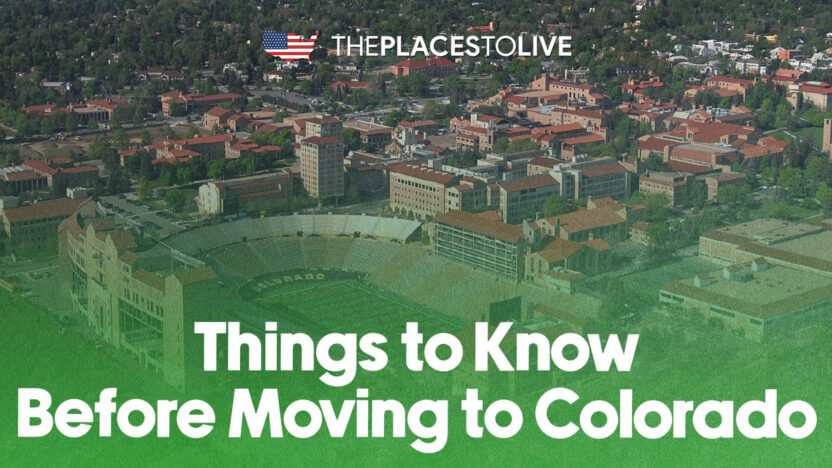
Moving to Colorado involves considering numerous practical and structural factors that define daily living across the state. This article outlines the essential things to know before moving to Colorado by providing a comprehensive, factual overview of its geography, economy, infrastructure, climate, taxes, and culture. The goal is to equip prospective residents with objective, statewide knowledge to support informed relocation decisions without focusing on any individual city or personal experience.
Geographic and Regional Differences Within Colorado
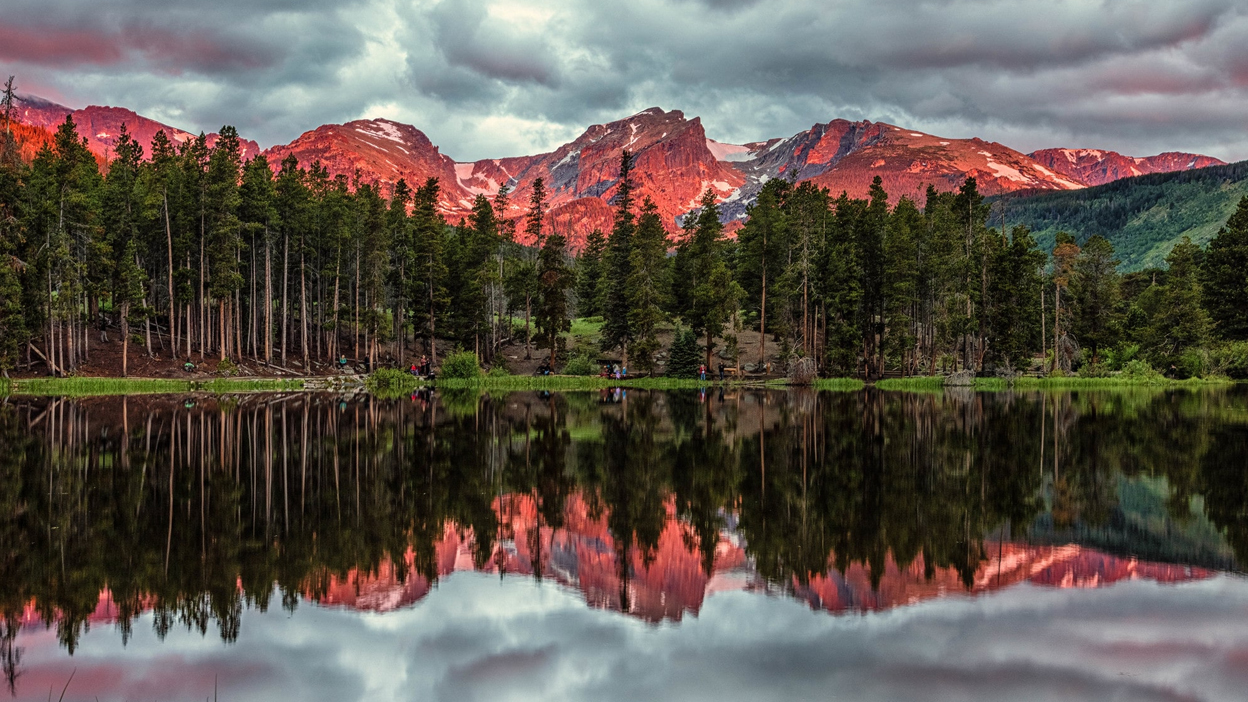
Colorado’s geography divides into four principal regions, each presenting distinct terrain, elevation, and population characteristics. These divisions impact climate, lifestyle, development, and economic activities statewide.
- Rocky Mountains: This region features rugged, high-elevation terrain with peaks exceeding 14,000 feet. The area includes alpine environments with thin air and significant snowfall.
- Front Range: Located along the eastern slopes of the Rockies, the Front Range includes foothills and urban corridors at elevations roughly from 5,000 to 8,000 feet. It hosts around 85% of the state’s population, drawn by milder climates and developable land.
- Eastern Plains: Flat, agricultural lowlands at approximately 3,500 to 5,000 feet elevation. This area supports farming and livestock with more open space and low population density.
- Western Slope: Western Colorado contains plateaus, mesas, and mountain ranges with significant energy resources. It includes isolated towns and natural resource areas.
The elevation gradient profoundly impacts climate and living conditions. Mountain microclimates create wildfire risk zones in forested areas and generate volatile weather in mountain passes, such as sudden storms and snowfall. Elevations above 8,000 feet increase the likelihood of altitude sickness for newcomers.
Outdoor recreation opportunities align with geography—mountain skiing and hiking dominate the Rocky Mountains and Front Range, agriculture thrives on the plains, and western plateaus support energy extraction and tourism activities.
Environmental risks like seasonal wildfires in mountain forests and variable mountain pass weather are ongoing factors affecting residents. Understanding how geography shapes these realities is a core component of things to know before moving to Colorado, especially for those considering a mountain lifestyle or rural living.
Urban vs Rural and Regional Living Patterns
Colorado presents strong contrasts between urban Front Range areas and rural plains or mountain communities with distinct infrastructure, population density, and amenities.
- Urban Front Range Corridor: This includes metro areas such as Denver and Colorado Springs. These regions have high population density, concentrated infrastructure, and access to comprehensive healthcare, educational institutions, and retail services. Urban corridors offer developed housing, transportation networks, and economic opportunities.
- Rural Eastern Plains and Mountain Towns: These areas feature widely dispersed populations with limited public infrastructure. Rural plains emphasize affordability and self-reliance, with fewer healthcare and retail options. Mountain towns, often isolated by terrain, focus on resort-style or recreational development with unique lake or mountain “coastal” characteristics.
Infrastructure quality varies significantly statewide. Urban areas support robust water, sewer, and transportation networks, while rural zones may rely on private wells, septic systems, and long-distance commutes. This urban-rural divide is critical for understanding the balance between access to amenities and cost savings in different Colorado regions.
When moving to Colorado, evaluating urban versus rural living patterns in relation to your needs for services, accessibility, and lifestyle preferences is essential. The choice also correlates with the Colorado cost of living and the feasibility of maintaining a mountain lifestyle or plain’s agriculture-oriented setting.
Cultural, Social, and Lifestyle Norms (Broad State Level)
At a statewide level, Colorado’s demographic and cultural landscape reflects steady population growth and a blend of urban and outdoor-focused communities.
- Population and Diversity: The state gains roughly 36,000 new residents annually with increasing ethnic and professional diversity.
- Mountain Lifestyle: Emphasizes outdoor recreation such as hiking and skiing, environmental stewardship, and community investment in health and education.
This broad cultural identity underpins state policies and social priorities without regional specificity, informing newcomers statewide about the general atmosphere associated with moving to Colorado.
Taxes, Regulations, and Long-Term Planning Factors
Colorado’s regulatory and tax frameworks intersect with its geographic realities to shape sustainable living.
- Tax Structure: Flat state income tax at 4.4%, supplemented by state sales tax of about 2.9% and local sales taxes that can push combined rates up to about 11%. Property tax rates average a low 0.55% of assessed value nationally.
- Building Codes and Zoning: State mandates include wildfire-resistant and hail-proof building regulations. Zoning restrictions reflect priorities for environmental protection, especially in mountain and plains zones.
- Insurance Implications: Elevated premiums occur in areas prone to natural hazards, requiring careful planning for property ownership.
- Sustainable Development: State policies balance growth with conservation to protect natural resources and quality of life.
These factors are essential considerations among things to know before moving to Colorado for prospective residents evaluating financial and environmental resilience.
Who Colorado Is Generally a Good Fit For
Colorado tends to attract specific populations whose priorities align with its environment and economy:
- Outdoor Enthusiasts: Individuals valuing access to hiking, skiing, and nature.
- Professionals: Particularly in technology, energy, and government sectors clustered in the Front Range.
- Families: Those desiring urban amenities combined with proximity to mountain recreation.
The state favors those adaptable to variable climate conditions and higher cost of living associated with quality infrastructure and lifestyle amenities.
Who Should Research Further Before Moving
Certain groups should conduct additional investigation before relocation:
- Altitude-Sensitive Individuals: Health concerns related to high elevation warrant detailed medical consultation.
- Public Transit Dependents: Limited transit outside urban centers may hinder mobility.
- Specialized Education or Healthcare Needs: Services vary regionally and may require targeted searches.
- Retirees and Niche Workers: Some may need to assess availability of appropriate climate, social services, or employment.
Comprehensive local research complements this statewide overview by addressing these specific concerns prior to moving to Colorado.
Conclusion
A thorough understanding of the structural, geographic, economic, and regulatory realities forms the foundation of things to know before moving to Colorado. From its diverse landscapes and climate challenges to cost of living variances, transportation infrastructure, and economic sectors, these statewide factors critically influence relocation choices.
Use this detailed overview as a practical resource to guide further targeted local research that matches your unique requirements and goals when moving to Colorado. Mastering these essentials supports informed decision-making for a successful transition into this dynamic state.