Planning a move to a new city? One of the smartest ways to prepare is by spending a weekend in Milwaukee before you move. This short trip is much more than a sightseeing tour — it’s a strategic travel guide to experiencing Milwaukee’s everyday life, neighborhoods, and local culture. In just two days, you can learn how the city’s pace feels, explore diverse communities, test transportation options, and observe the unique connection Milwaukee residents have to their lakefront and urban environment.
In this comprehensive article, we will show you how to spend a weekend in Milwaukee before you move with a detailed Milwaukee weekend itinerary. You’ll find insights on the city’s distinct neighborhoods, practical tips for getting around, and what you can realistically discover in a short visit. This travel guide is designed to help you confidently evaluate if Milwaukee fits your lifestyle before committing to relocation.
Why a Weekend Visit Helps Before Moving to Milwaukee
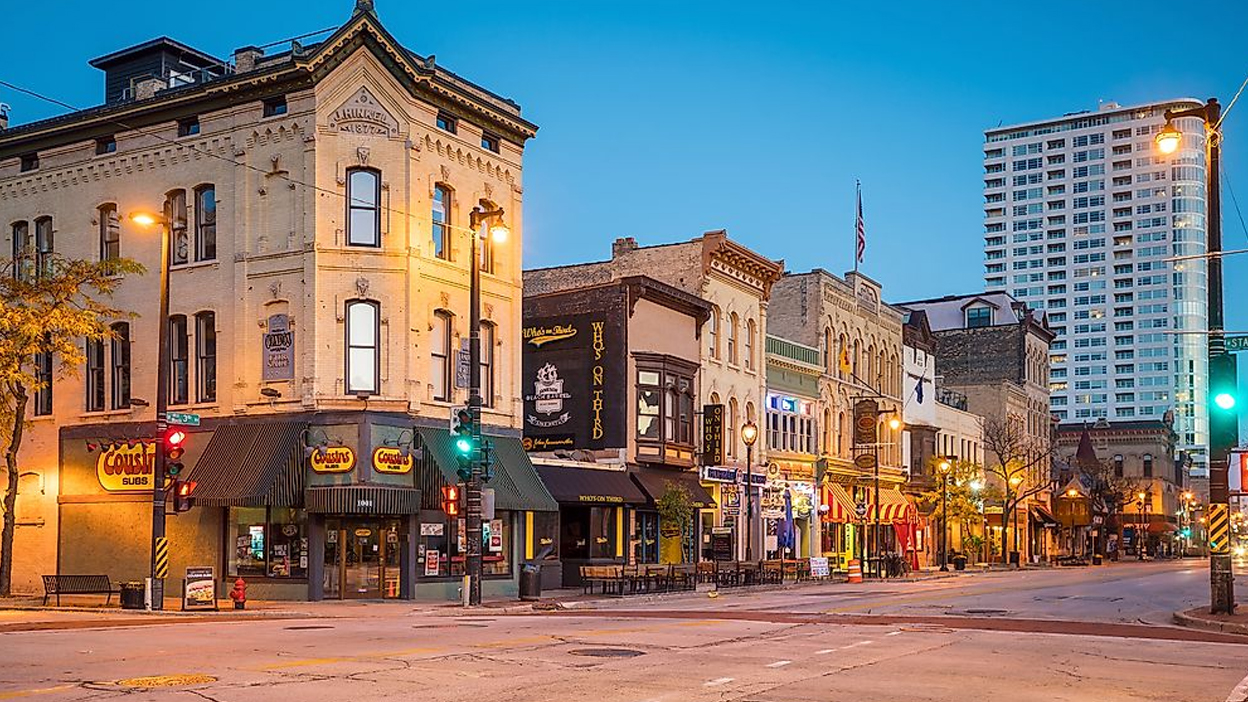
Milwaukee blends a relaxed lakeside vibe with the energy of a working urban center. Spending a weekend in Milwaukee before moving lets you experience this dual character firsthand.
City Pace: Lakefront Relaxation Meets Urban Energy
Milwaukee’s downtown hugs the shoreline of Lake Michigan, surrounded by parks, trails, and beaches. This lakefront creates a slower, outdoorsy lifestyle where residents walk, bike, and jog along trails. Mornings and weekends tend to have a laid-back rhythm.
At the same time, the urban core pulses with activity during weekdays. The compact downtown offers walkable neighborhoods connected by the scenic Milwaukee RiverWalk. Office workers, local events, and nightlife bring a busier pace after business hours. The city’s highway network reflects its industrial and commuting roots, with roads shaping how neighborhoods feel during rush hour versus quiet weekend streets.
A weekend visit lets you sense this balance between calm lakeside mornings and lively urban evenings, helping you decide if this rhythm suits your daily life.
Transportation Options: Public Transit, Driving, and Biking
Milwaukee boasts diverse transportation options to explore during your visit:
- Walkability: Downtown Milwaukee is highly pedestrian-friendly with about three miles of connected paths along the RiverWalk connecting shops, offices, and neighborhoods.
- Public transit: The Milwaukee County Transit System (MCTS) operates numerous bus routes across the county, including the high-frequency Connect 1 Bus Rapid Transit (BRT) line. The Hop streetcar — a free two-mile route linking the Intermodal Station to parts of downtown — offers convenient short trips within urban districts.
- Biking: The Bublr bike-share program and bus racks with bike carriers support multimodal commuting options near the city center.
- Driving: Milwaukee’s extensive freeway system reflects its auto-centered history. Nearly 40% of downtown land serves road infrastructure, offering easy car access but also influencing noise, parking, and traffic patterns.
Testing these transportation modes during a weekend in Milwaukee before moving gives you realistic insights into daily commute logistics, parking availability, and how comfortable a car-free or car-light lifestyle might be.
Neighborhood Diversity and Community Atmosphere
Milwaukee’s neighborhoods vary widely in housing, demographics, and infrastructure. The city is known for pronounced racial and economic segregation, with visible contrasts between:
- Historic districts featuring older homes and tree-lined streets.
- Urban lakefront and downtown areas with dense apartments, refurbished warehouses, and vibrant nightlife.
- Inner neighborhoods with a mix of walkable commercial streets but uneven transit access.
- Suburban family-oriented neighborhoods with more car dependence and larger yards.
Community life thrives around Milwaukee’s parks and waterfront. Residents frequently engage in city planning through initiatives like the 414 in Motion mobility project, reflecting active local input on transportation and street design.
Transit-Served Inner Neighborhoods
These areas rely on MCTS buses with variable frequencies and pedestrian infrastructure quality. Exploring them reveals how transit equity and neighborhood safety differ across the city, important if you plan to use public transit regularly.
Family-Oriented Suburbs and Outer Neighborhoods
Designed with cars in mind, these quieter neighborhoods have larger yards and less frequent transit service. They suit families or those who prefer a suburban feel while maintaining access to city amenities.
Visiting a variety of these neighborhoods during your weekend will help you understand differing community vibes, accessibility, and daily living conditions.
What a Weekend in Milwaukee Can and Can’t Tell You
What a Weekend Can Reveal
- Daily rhythms: You’ll see when and how neighborhoods come alive, how residents use parks and cafés, and the patterns of waterfront activity.
- Transportation practicality: You can test bus frequency, streetcar convenience, walkability, bike-friendliness, and parking availability.
- Community vibe and contrasts: Differences in neighborhood upkeep, housing types, small businesses, and infrastructure inequities become clear.
- Local culture integration: The role of lakefront living, community energy, and the city’s social and sports culture come into view.
What a Weekend Cannot Fully Explain
- Job market dynamics: Salaries, industry stability, and career opportunities need longer-term research and networking.
- School quality and fit: Evaluating districts requires deeper engagement beyond surface visits.
- Long-term housing market trends: Price stability, taxes, and rental conditions go beyond what brief visit observations can capture.
- Seasonal weather impact: Snow, ice, and winter driving affect quality of life significantly; assessing this requires visits in different seasons.
Use your weekend visits as a foundational travel guide step, combined with detailed research for a full picture.
Tips for Planning Your Weekend in Milwaukee
Choose the Right Time to Visit
Pick typical weekends outside of large festivals or extreme weather for a genuine sense of daily life. For winter movers, scheduling during colder months helps evaluate snow management and street clearing.
Stay in Walkable Downtown or Lakefront Areas
Select short-term rentals or hotels near the Intermodal Station or the lakefront. This provides easy access to walking routes, The Hop streetcar, and multiple MCTS bus lines.
Use Multiple Transportation Methods
- Walk the Milwaukee RiverWalk and downtown grid to gauge pedestrian life.
- Ride MCTS buses and the Connect 1 BRT line using system maps to plan your routes.
- Try The Hop streetcar multiple times to assess service and reliability.
- Rent a car to experience freeway traffic, neighborhood driving, and parking challenges.
Balancing these modes helps you decide what commuting mix fits your needs.
Build a Balanced Itinerary
Avoid cramming your schedule with attractions. Include unstructured time in cafés, parks, and stores to observe community rhythms. Treat lodging and transit passes as evaluation tools to simulate your potential daily life.
Conclusion:
How to spend a weekend in Milwaukee before you move? By focusing on everyday routines, neighborhood exploration, and transportation testing, you gain invaluable insight beyond tourist highlights. This Milwaukee weekend itinerary gives you a meaningful travel guide for experiencing local culture, community vibe, and urban-lakefront lifestyle.
Combined with further research on jobs, schools, housing, and seasonal living conditions, your weekend in Milwaukee becomes a powerful scouting trip. It transforms uncertainty into confidence, helping you make a well-informed relocation decision.
Plan your visit thoughtfully, stay curious, and enjoy getting to know Milwaukee as if you already lived there. Your future life in this vibrant city awaits!